




Unwelcome Guests: How to Combat Common Garden Pests
Gardening is a beloved hobby for many, offering a chance to connect with nature and enjoy the fruits of one’s labor. However, common garden pests can turn this peaceful pastime into a frustrating challenge. From aphids to slugs, these unwelcome guests can wreak havoc on your plants, diminishing yields and damaging your beautiful garden. In this comprehensive guide, we’ll delve into effective strategies to manage and control common garden pests, ensuring your garden remains healthy and vibrant.
Identifying Common Garden Pests
Before you can effectively combat garden pests, it’s crucial to identify which pests are troubling your plants. Some of the most frequent offenders include:
- Aphids: These small, sap-sucking insects cluster on the undersides of leaves, causing yellowing, distortion, and stunted growth.
- Slugs and Snails: These mollusks are notorious for eating large holes in leaves, stems, and flowers, primarily during the night.
- Japanese Beetles: These metallic bugs devour leaves, flowers, and fruits, leaving behind skeletal remains.
Understanding the specific pests you are dealing with is the first step towards finding an effective solution.
Integrated Pest Management
Integrated Pest Management (IPM) is a sustainable approach to managing pests by combining biological, cultural, physical, and chemical tools in a way that minimizes economic, health, and environmental risks. Here’s how to apply IPM in your garden:
1. Prevention
The best way to manage pests is to prevent them from becoming a problem in the first place. Choose plants that are naturally resistant or tolerant to pests. Rotate crops and use companion planting to deter pests.
2. Observation
Regularly inspect your garden for signs of pests. Early detection is key to preventing widespread damage.
3. Intervention
If pests are detected, consider non-chemical management methods first, such as removing pests by hand or using barriers to protect plants. If these methods are ineffective, consider targeted, environmentally-friendly pesticides as a last resort.
Natural and Organic Solutions
Many gardeners prefer natural or organic methods to keep their gardens free from pests without harming the environment. Here are a few effective techniques:
Neem Oil
An organic compound that works well against a variety of pests, including aphids and mites. Neem oil also reduces the risk of fungal infections.
Diatomaceous Earth
This powder is made from fossilized algae and works mechanically by puncturing the exoskeletons of insects upon contact, causing them to dehydrate and die.
Insecticidal Soaps
Made from potassium fatty acids, insecticidal soaps can effectively kill soft-bodied insects like aphids, mites, and whiteflies on contact without causing harm to your plants.
Encouraging Beneficial Insects
Incorporating plants that attract beneficial insects is an excellent way to naturally control pest populations. These insects can be natural predators to common garden pests. Examples include:
- Ladybugs: Predators of aphids and other harmful insects.
- Lacewings: Their larvae are effective against a variety of pests including aphids and caterpillars.
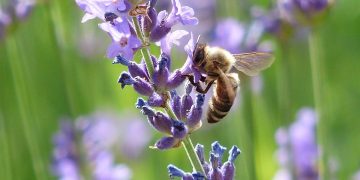
- Bees and Butterflies: Important for pollination, which helps the garden to thrive holistically.
Planting flowers such as marigolds, sunflowers, and cosmos can attract these beneficial insects to your garden.
Mechanical and Physical Controls
If natural predators and organic remedies aren’t enough, physical barriers and mechanical controls can also be highly effective. These include:
- Row Covers: Lightweight fabrics that can protect plants from pests.
- Traps: Devices like pheromone traps can lure and capture specific pests.
- Hand Picking: While labor-intensive, removing pests by hand can be effective for immediate control of larger pests like snails and beetles.
Conclusion
Dealing with garden pests can be a challenging aspect of gardening, but with the right knowledge and tools, you can protect your plants from these unwelcome guests. By combining preventive measures, natural remedies, and mechanical controls as part of an Integrated Pest Management strategy, you can enjoy a healthy, thriving garden with minimal use of chemicals. Remember, the key to success lies in early detection, regular monitoring, and choosing the right method based on the specific pests and their impact on your garden.
By maintaining a biodiverse and well-managed garden, you’re not only creating a beautiful space but also contributing to a healthier ecosystem. Happy gardening!