




Discover the Top Indoor Gardening Supplies for Every Home
Indoor gardening has surged in popularity as more people seek to beautify their homes and improve air quality by incorporating plants. Whether you’re a seasoned green thumb or a novice looking to start your first gardening project, understanding and selecting the right indoor gardening supplies is essential to your success. In this comprehensive guide, we will explore the essential supplies needed to cultivate a thriving indoor garden, ensuring you have all the information to make your indoor greening journey a success.
1. Choosing the Right Containers
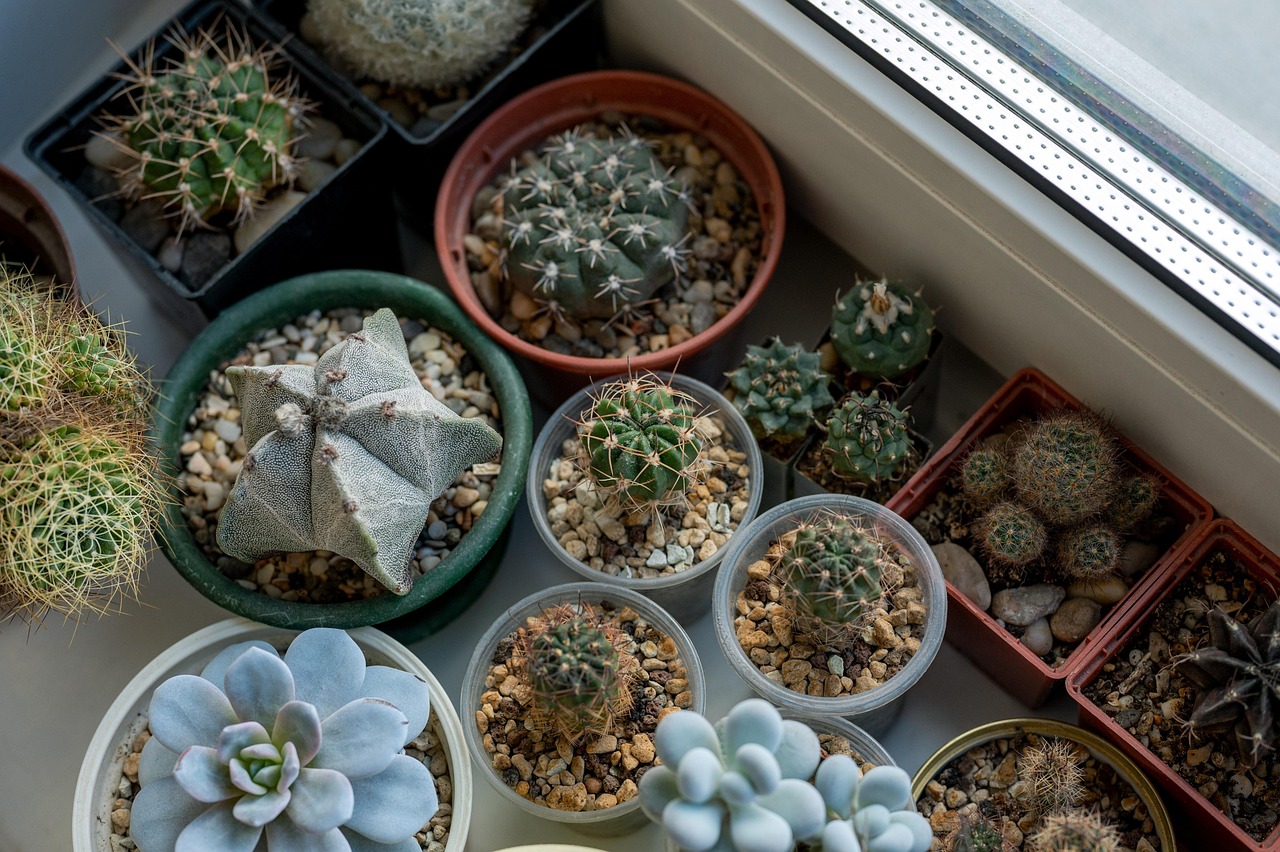
Your choice of plant containers is pivotal to the aesthetic and health of your indoor garden. Pots come in various materials like ceramic, plastic, metal, and biodegradable versions. Each has its own benefits:
- Ceramic pots are heavy and stable, ideal for larger plants that might tip over in lighter pots.
- Plastic containers are lightweight and cost-effective, great for those who like to rearrange their plant setups frequently.
- Metal pots add a sleek modern touch, though they’re not ideal for outdoor areas where they can overheat.
- Biodegradable pots are perfect for those looking to minimize environmental impact.
Ensure the containers you choose have drainage holes to prevent waterlogging, which can lead to root rot and other moisture-related issues.
2. Soil and Soil Mixes
The right soil mix is crucial for indoor plants. Unlike outdoor gardens where plants have vast spaces to spread roots, indoor plants rely entirely on their soil for nutrients and aeration. A quality potting mix typically contains peat moss, vermiculite, and perlite, promoting water retention and airflow. For specialized plants, like orchids or succulents, choose a mix tailored to those species for best results.
3. Proper Lighting
Light is a critical factor in plant growth. Most indoor plants require bright, indirect light. However, window light alone might not be sufficient, especially in winter months or in rooms facing north. Here’s where grow lights come in handy. LED grow lights are a popular choice because they are energy-efficient and emit little heat. They provide a spectrum of light that supports photosynthesis ideally. When installing grow lights, consider the specific light needs of your plants — some may prefer more blue or red light, depending on the growth stage.
4. Watering Can or System
Consistent moisture is key to healthy plants, but over-watering can cause as many problems as under-watering. A good watering can with a long spout offers control and precision, making it easy to avoid wetting plant leaves, which can lead to fungal infections. For those who travel frequently or struggle to keep a watering schedule, investing in an automated watering system can be a real plant-saver, providing regular, measured amounts of water.
5. Fertilizers and Plant Foods
Indoor plants often need a little extra help in the nutrient department, especially if they’re kept in pots for a long time. A balanced, water-soluble fertilizer applied every few weeks can support lush, vibrant growth. Organic options like fish emulsion or seaweed extract also offer excellent nutrients with the added benefit of being eco-friendly.
6. Humidity Trays and Misters
Many common houseplants originate from tropical climates and thrive in higher humidity. Humidity trays filled with pebbles and water can increase local moisture levels, ideal for humidity-loving plants such as ferns and orchids. Alternatively, a regular misting with water can help keep your plants happy, although this may not be sufficient in drier climates or during winter when indoor heating can reduce humidity drastically.
7. Pruning Shears and Plant Care Tools
Regular pruning helps maintain plant health and aesthetic. Invest in a quality pair of pruning shears to remove dead or overgrown branches. Additional tools, such as tweezers and a small rake, can assist in maintaining the surface of the soil, ensuring it’s free from debris and aerated.
8. Labels and Monitoring Tools
Keeping track of plant names, care requirements, and watering schedules can become challenging as your collection grows. Plant labels and stakes are simple tools that help keep everything organized. For a more high-tech approach, plant monitoring tools can be inserted into the soil to check moisture levels, light exposure, and even nutrient content.
9. Gardening Gloves and Aprons
Lastly, to keep your hands clean and protected while working with soil or thorny plants, a good pair of gardening gloves is indispensable. An apron with pockets can likewise be helpful to hold tools, seeds, or even your phone as you work.
Conclusion
Starting an indoor garden is a rewarding endeavor that enhances your home environment and can even promote a healthier lifestyle. By gathering the right supplies, you can ensure that your indoor plants not only survive but thrive. Remember to adapt choices based on the specific needs of your plant species and the conditions of your home. Happy gardening!