




Key Tactics for Keeping Bugs at Bay: Your Comprehensive Guide
Dealing with bug infestations can be frustrating and time-consuming. Whether it’s ants in your kitchen, mosquitoes in your yard, or spiders lurking in corners, pests seem to find numerous ways to invade our homes. However, with the right strategies, you can minimize these unwelcome guests and enjoy a more peaceful living environment. This guide provides essential tips and answers common questions to help you effectively keep bugs at bay.
Understanding Why Bugs Enter Your Home
The Quest for Resources
Bugs primarily enter homes searching for three things: food, water, and shelter. Understanding this can help you cut off their access to these resources, thereby keeping them out.
Seasonal Changes
Changes in the weather, such as rain or cold, often drive bugs indoors. Being proactive during these changes is crucial in pest prevention.
Proactive Measures to Prevent Bug Infestations
Keep Your Home Clean and Clutter-Free
Regular cleaning is one of the most effective ways to prevent insect infestations. Crumbs and sticky residues attract ants, roaches, and other pests. Make it a routine to:
- Wipe down surfaces after meals.
- Sweep and vacuum floors regularly.
- Dispose of garbage promptly and seal garbage bins.
Manage Moisture
Moist areas attract pests like cockroaches and silverfish. Address these areas by:
- Fixing leaky faucets and pipes.
- Using a dehumidifier in damp areas like basements.
- Ensuring good air circulation to avoid condensation.
Seal Entry Points
To keep bugs from entering:
- Inspect and seal cracks around windows, doors, and foundations.
- Install door sweeps and repair damaged screens.
Natural and Chemical Solutions for Bug Control
Natural Repellents
Many prefer natural methods to chemical treatments for health and environmental reasons. Here are some effective natural repellents:
- Diatomaceous earth: This powder is effective against many crawling insects.
- Essential oils: Oils like peppermint, tea tree, and eucalyptus are natural insect deterrents.
- Vinegar and water solution: Works well as an ant repellent.
Chemical Treatments
When natural remedies aren’t enough, chemical treatments might be necessary. Here are some options:
- Insecticides: Available in spray, granular, and trap forms, always follow the label instructions for safe usage.
- Baits and traps: These are effective for controlling pests like ants and roaches without spreading chemicals throughout the home.
Tackling Specific Pests
Ant Control
Ants are persistent and their entire colony needs to be addressed. Baits are effective because ants carry the poison back to their colony, addressing the problem at its source.
Mosquito Management
To prevent mosquitoes:
- Eliminate standing water where mosquitoes breed.
- Use fans outdoors, as mosquitoes are weak flyers.
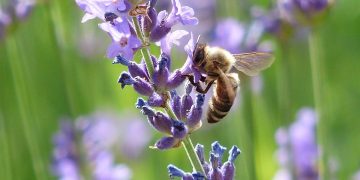
- Consider mosquito-repellent plants like marigolds or lavender.
Dealing with Cockroaches
Cockroaches can be particularly challenging:
- Ensure food is stored in sealed containers.
- Use a combination of baits and insecticide sprays.
- Regularly check and clean hidden areas where roaches might hide.
Common Questions About Keeping Bugs at Bay
How Often Should I Use Insecticides?
Reserve chemical treatments for severe infestations and use as directed on the product label. For natural methods, regular maintenance can help keep a bug-free environment.
Are There Pet-Safe Bug Prevention Methods?
Yes, many natural repellents are safe for homes with pets. Always check labels for any chemical products to ensure they are safe for household pets.
Can Weather Affect Bug Infestations?
Absolutely. Be vigilant as seasons change, particularly from fall to winter and during rainy seasons, as these times can drive more bugs indoors.
How Can I Make My Yard Less Attractive to Bugs?
Maintain a tidy yard: trim bushes, rake leaves, and eliminate standing water. Consider landscaping with plants that repel insects naturally.
Conclusion: Stay Consistent and Vigilant
Keeping your home bug-free is an ongoing process. By understanding what attracts bugs into your home and using both preventive measures and effective treatments, you can maintain a cleaner, healthier living environment. Regularly inspect your home for signs of infestations and tackle problems early to keep bugs at bay effectively.
By incorporating these strategies into your routine, dealing with pests will become more manageable and less of a headache. Remember, consistency is key in keeping your home pest-free!