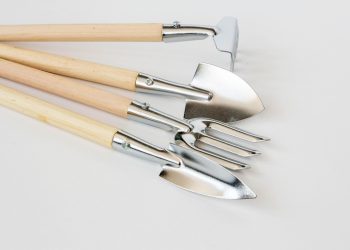
Thriving in the Shade: Essential Tips for Indoor Plant Care
Indoor plants not only beautify our surroundings but also enhance our living spaces with mood-boosting qualities and air purifying benefits. However, growing plants indoors requires special knowledge and skills to ensure they thrive. This comprehensive guide covers essential tips for indoor plant care, addressing common concerns and empowering you to create a lush, healthy indoor garden.
Understanding Your Indoor Environment
The first step in successful indoor plant care is understanding the unique conditions of your indoor environment. Different areas in your home can have varying levels of light, humidity, and temperature, all of which influence plant health.
- Light: Most indoor plants require bright, indirect light. Identify south-facing windows as they are usually the brightest spots. For plants that require less light, positions near north-facing windows or a few feet away from west or east-facing windows are ideal.
- Humidity: Many houseplants originate from tropical environments and thrive in higher humidity. In dry indoor climates, consider using a humidifier or placing a water-filled pebble tray beneath your plant pots to increase surrounding humidity.
- Temperature: The average indoor temperature suitable for most houseplants is between 65-75 degrees Fahrenheit (18-24 degrees Celsius). Avoid placing plants near drafts, heating vents, or air conditioning units as these can cause stress and damage.
Selecting the Right Plants
Choosing the right plants for your space is crucial. Consider the light levels and the amount of care you are able to provide. Here are some popular indoor plants that are known for their adaptability and low maintenance needs:
- Snake Plant: Renowned for its resilience, it can thrive in low light conditions and infrequent watering.
- Pothos: Known for its beautiful trailing vines, pothos can grow in a variety of lighting conditions and requires minimal care.
- Spider Plant: These plants are great for beginners and can tolerate infrequent watering and partial light conditions.
Proper Watering Techniques
Watering is often the most challenging aspect of indoor plant care. Over-watering is a common mistake that can lead to root rot, a condition that is often fatal. On the other hand, under-watering can stress the plant and stunt its growth.
- Check Soil Moisture: Before watering, check the soil moisture. For most plants, allow the top inch of soil to dry out between waterings. Use your finger or a soil moisture meter to check the moisture level.
- Water Thoroughly: When you water, do it thoroughly so that water runs out of the drainage holes. This ensures the roots are adequately moistened.
- Adjust According to Seasons: Plant watering needs can change with the seasons. Plants typically require more water during their active growing season (spring and summer) and less during the dormant season (fall and winter).
Fertilization and Nutrients
Feeding your indoor plants the right way is essential to their growth and vitality. Fertilizers can replenish essential nutrients and promote robust growth.
- Select the Right Fertilizer: Use a balanced, water-soluble fertilizer formulated for indoor plants. Follow the instructions on the package for the correct dilution and frequency.
- Feed during Growing Season: Most houseplants benefit from regular feeding during the spring and summer months. Reduce feeding in the fall and avoid fertilizing in the winter unless the plant is actively growing.
Pest Management and Disease Prevention
Keeping your plants healthy also involves monitoring them for signs of pests or disease. Early detection and proper treatment are critical.
- Inspect Regularly: Examine your plants regularly for signs of stress, such as discolored leaves, stunted growth, or a sticky residue which could indicate pest activity.
- Natural Treatments: Use natural remedies such as neem oil or insecticidal soap to manage infestations. Always test a small area first to ensure it doesn’t harm the plant.
Pruning and Maintenance
Regular pruning helps to keep plants healthy, promoting new growth and removing old or dead foliage. Use clean, sharp scissors or pruning shears to cut just above a leaf node. This encourages the plant to branch out.
Conclusion: Creating a Flourishing Indoor Garden
With these essential tips for indoor plant care, you’re well-equipped to create a thriving indoor garden that brings beauty and a sense of tranquility to your home. Remember, each plant is unique and may require a bit of trial and adjustment to meet its specific needs. Enjoy the process of tending to your indoor plants, and over time, you’ll become more adept at ensuring they flourish.
Whether you’re a seasoned gardener or a green thumb in training, the joy of growing indoor plants is an enriching experience that enhances your living space and improves your overall well-being.