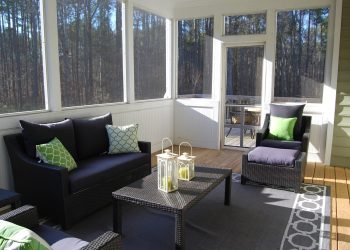





Mastering Light and Space: Enhancing Your Environment’s Visual and Functional Appeal
In the realm of interior design and architecture, two elements play pivotal roles in transforming mundane spaces into awe-inspiring environments: light and space. Mastering these elements not only elevates the aesthetic appeal of a space but also boosts its functionality, promoting a harmonious blend of art and pragmatism. Here, we’ll delve into how light and space can be optimized to create breathtaking interiors and functional living environments.
Understanding the Importance of Light in Design
The Psychology of Lighting
Light plays a crucial role in influencing human emotions and behaviors. Proper lighting can make spaces appear more spacious, cleaner, and more welcoming, while poor lighting can make the same spaces feel cramped, dirty, and uninviting. Understanding the psychological impact of light is key for designers and homeowners alike.
Natural vs. Artificial Lighting
Incorporating natural light into spaces is often a priority, as it boosts mood and productivity, and also reduces energy consumption. Enhancing natural light can involve the use of mirrors, reflective surfaces, and strategic window placement. On the other hand, artificial lighting should be designed to mimic natural light as closely as possible, while also providing aesthetic and practical benefits through ambient, task, and accent lighting.
Maximizing Space Through Design
Effective Layout Planning
Effective space planning is paramount in maximizing both the functionality and aesthetic appeal of a space. This involves the strategic placement of furniture and fixtures to create flow and balance. It is important to consider both the physical movement in a space as well as visual balance, to ensure that the environment performs well in practical terms and looks good.
The Role of Minimalism
Minimalism in design doesn’t just refer to a style choice, but a strategic approach to improving functionality by reducing clutter. This philosophy can make rooms feel larger and more open, emphasizing the features and light within a space.
Common Questions in Light and Space Optimization
How Can I Improve Natural Lighting in a Dark Room?
Improving natural lighting in a dark room can be managed by using lighter colors for walls and floors to reflect light, installing larger windows or skylights, and ensuring that no furniture obstructs the light’s pathway.
What Type of Artificial Lighting is Best for Living Rooms?
For living rooms, warm, dimmable overhead lights combined with directional task lighting and soft ambient lamps offer flexibility and comfort, enhancing the room’s functionality and aesthetic.
How Can Small Spaces Be Made to Feel Larger?
Small spaces can appear larger by using multi-functional furniture, mirrors, and by maintaining a decluttered environment. Additionally, a consistent, light color palette for walls and floors can help to create a sense of expansiveness.
Tips for Integrating Light and Space Masterfully
Leveraging Color and Contrast
Using contrasting colors can highlight architectural features and define different zones in an open-plan space. Lighter colors tend to open up a space, while darker hues can be used to create depth and focus.
Implementing Smart Storage Solutions
Smart storage solutions are integral to minimizing clutter and maximizing space. Built-in shelves and concealed storage can keep the space tidy and functional, which in turn, enhances the perceived size and value of the room.
Choosing the Right Materials
Materials not only contribute to the look of a space but can also affect the light. Glossy surfaces and metallic finishes reflect light, enhancing brightness and depth. Natural materials like wood and stone can add warmth and texture to a space, affecting both the light and the sense of comfort in the room.
Conclusion
Mastering light and space is about balancing aesthetics with functionality. By understanding and implementing strategic design principles related to lighting and spatial organization, one can transform any area into an inviting and effective environment. The integration of these elements isn’t merely about decoration; it’s a fundamental aspect of creating spaces that are not only beautiful but also deeply resonant with the needs and aspirations of their inhabitants. Whether through the strategic use of natural light, the thoughtful placement of furniture, or the choice of color and materials, mastering these aspects can profoundly impact the look and feel of your space.