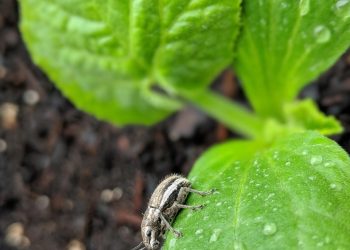
Innovative Techniques in Urban Pest Management
Urban pest management is a critical component of maintaining public health and safety in densely populated areas. With the growing number of urban residents globally, the challenge of controlling pests has become increasingly complex. Traditional pest control methods often involve the use of chemical insecticides, which can be harmful to the environment and non-target species, including humans. As a result, pest management professionals are turning to more innovative and sustainable techniques to tackle the issues effectively.
Understanding Integrated Pest Management (IPM)
Integrated Pest Management (IPM) is an eco-friendly approach that combines biological, cultural, physical, and chemical tools in a way that minimizes economic, health, and environmental risks. IPM emphasizes the prevention of pest populations and uses pesticides only as a last resort. This method involves
- Identifying pests correctly to ensure the appropriate management strategy is used.
- Monitoring pest populations and using predictive modeling to prevent outbreaks.
- Implementing a variety of treatment methods that are less harmful to non-target species and the environment.
Technological Advances in Pest Detection
Technology plays a pivotal role in the modernization of urban pest control strategies. Advanced sensors, IoT-based applications, and data analytics have revolutionized how professionals monitor and manage pest outbreaks.
- Smart Traps: These traps use Wi-Fi-enabled sensors to monitor pest activities in real time, allowing for timely and precise interventions.
- DNA Analysis: By analyzing the DNA found in environments, professionals can identify species and their origins without seeing the actual pests, thereby informing more targeted control strategies.
- Thermal Imaging: This technique helps detect heat signatures caused by pest activities, which is particularly useful for locating hidden infestations like those of termites or rodents.
Biological Control Methods
Biological control introduces natural enemies to control pest populations. This method is highly sustainable as it involves minimal chemical use but requires thorough understanding and planning.
- Parasitoids, Predators, and Pathogens: These organisms are introduced to reduce pest populations. For instance, bacteria that cause diseases only to specific pests are used in controlling mosquito populations.
- Phenomenon of Herbivory: This is used in aquatic environments where certain fish species are introduced to control larval populations of pests.
Chemical Innovations beyond Traditional Insecticides
While reducing the reliance on harsh chemicals, researchers are developing more pest-specific products that have lower risks associated with traditional pesticides.
- Insect Growth Regulators (IGRs): These chemicals disrupt the life cycle of pests like mosquitoes and fleas, preventing them from reaching maturity and reproducing.
- Targeted Gel Baits: These are used especially in the control of cockroaches and ants, allowing for precise application and reduced exposure to non-target species.
Architectural and Urban Planning for Pest Prevention
Modern architectural techniques play an essential role in pest prevention. By designing buildings and landscapes with pest management in mind, the likelihood of infestation can be significantly reduced.
- Material Choice: Using pest-resistant materials like stainless steel meshes or chemically treated woods can deter pests from entering buildings.
- Landscaping: Properly planning the flora around buildings can help ward off potential pests or reduce their breeding grounds.
Education and Community Involvement
Effective pest management is not solely the responsibility of pest control professionals. Educating the community on practices like proper waste management, reporting infestations, and preventive measures plays a significant role in urban pest control.
Workshops, digital outreach initiatives, and collaboration with local governments can enhance community engagement and lead to better-informed citizens who contribute to the overall pest management efforts.
Conclusion
Innovative urban pest management is not just about deploying new technologies or products but involves a holistic approach that includes education, community involvement, and the integration of multiple control strategies. With the advancements in technology and biological sciences, along with increased awareness and collaboration, urban areas can be managed more effectively, making them safer and more pleasant for their inhabitants.
Urban pest management is an evolving field that continues to integrate more sustainable practices and innovative technologies to ensure human health and environmental safety.
FAQ Section
What is Integrated Pest Management (IPM)?
IPM is a holistic approach in pest management that integrates different management practices for economic and environmentally sound pest suppression.
What are some examples of biological control?
Examples include using ladybugs to control aphid populations, introducing certain types of bacteria to control mosquito larvae, and employing parasitic wasps for caterpillar management.
How can technology help in pest control?
Technologies such as IoT-enabled sensors, DNA analysis, and thermal imaging can help detect and monitor pests much more efficiently, allowing for timely and targeted control measures.
Through innovative methods and integrated approaches, urban pest management is set to become more efficient, less chemically dependent, and more sustainable. Addressing urban pest challenges effectively not only improves the quality of urban life but also protects the ecosystem in our rapidly growing cities.