





Green Guard Tactics: Effective Strategies for Eco-Friendly Plant Pest Control
As concern for the environment grows, so does the interest in eco-friendly solutions in every aspect of our lives—including gardening and agriculture. Adopting green guard tactics for plant pest control is not just beneficial for our plants, but it also ensures the health of our ecosystem. This comprehensive guide explores effective strategies for managing pests in a sustainable way, providing answers to common questions and offering valuable insights for gardeners and farmers alike.
Understanding Eco-Friendly Pest Control
Eco-friendly pest control involves methods and products that are safe for the environment and do not harm beneficial insects and animals. This approach often focuses on prevention, using non-toxic materials, encouraging biodiversity, and applying biological pest control measures.
Why Choose Eco-Friendly Methods?
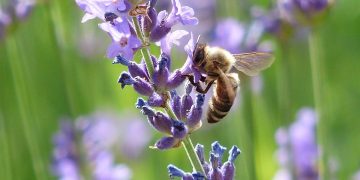
Traditional chemical pesticides often kill more than just the target pest, including beneficial insects like bees and butterflies that play crucial roles in pollination. Chemicals can also leach into the soil and waterways, causing long-term damage to ecosystems. In contrast, eco-friendly pest control supports a balanced environment and helps maintain biodiversity, which is essential for sustainable agriculture and gardening.
Preventive Measures in Pest Control
Prevention is always better than cure. Here are some effective preventive measures to protect your garden or farm from pests:
- Choose the Right Plants: Select plant varieties that are resistant to pests. Native plants often have better defenses against local pests.
- Healthy Soil Practices: Healthy plants are less likely to succumb to pests. Enhance soil health through organic composting, proper fertilization, and regular aeration.
- Companion Planting: Some plants can repel pests naturally when planted next to each other, such as marigolds which are known to ward off certain insects.
Biological Control Methods
Introducing natural predators into your garden is a cornerstone of biological pest control. This method is sustainable and reduces the need for chemical interventions. Some popular biological control agents include:
- Ladybugs: These beetles are natural predators of aphids and other harmful insects.
- Lacewings: Green lacewings are effective against a variety of pests including mealybugs and spider mites.
- Nematodes: Beneficial nematodes can be used to control soil-bound pests without harming plants.
Natural Pesticides and Insecticides
When preventive and biological methods are not enough, natural pesticides can be a good alternative. They are generally made from natural ingredients and are less harmful to the environment. Some effective natural pesticides include:
- Neem Oil: Extracted from the neem tree, this oil is effective against many pests and is safe for most beneficial insects.
- Diatomaceous Earth: Made from fossilized algae, it physically abrades and dehydrates insects upon contact.
- Garlic or Chili Spray: Homemade sprays from garlic or chili can deter many types of insects and are simple to prepare at home.
It’s essential to apply these treatments correctly and judiciously to minimize any potential impact on non-target species and the environment.
Monitoring and Maintenance
Regular monitoring of your garden or farm is crucial in eco-friendly pest control. Early detection of pest problems typically allows for more effective and less invasive solutions. Implement a routine schedule to inspect plant health and identify any early signs of infestation. Combining monitoring with accurate record-keeping can help you understand which strategies work best and adapt your methods accordingly.
Employing Technology
Advancements in technology also offer new opportunities for eco-friendly pest control. Smartphone apps can now help identify pests and diseases and suggest the best eco-friendly methods to handle them. Moreover, automated sensors and drones can monitor large agricultural fields, providing data that helps in making informed decisions about pest management.
Common Questions in Eco-Friendly Pest Control
How effective are eco-friendly pest controls compared to chemicals?
While eco-friendly options might sometimes act more slowly than chemical pesticides, they offer a more sustainable solution and, in the long run, contribute to a more balanced ecosystem. They are effective when used consistently and as part of an integrated pest management strategy.
Can I make my own eco-friendly pesticides?
Yes, many gardeners create their own natural sprays and solutions using common household ingredients like vinegar, essential oils, and herbs. These homemade preparations can be effective, affordable, and safe.
Are eco-friendly pest control methods more expensive?
The initial cost might be higher in some cases, but the long-term savings from reduced chemical purchases and healthier, more resilient plants often offset the initial investment.
Conclusion
Adopting green guard tactics in pest control is not only beneficial for our gardens and farms but also essential for preserving our planet’s health. By implementing preventative measures, utilizing biological control agents, applying natural pesticides, and continuously monitoring plant health, we can effectively manage pests in an environmentally friendly way. Embracing these eco-friendly strategies contributes to sustainable agriculture, supports biodiversity, and fosters a healthier environment for future generations.
Start today by integrating these green guard tactics into your plant care routine and join the movement towards a greener, more sustainable world.