




Breathing Easy: How Air-Purifying Houseplants Can Transform Your Home Environment
In the pursuit of a healthier home environment, air quality often takes precedence. Amid growing concerns about pollutants and allergens indoors, an increasing number of homeowners are turning to a natural and aesthetic solution: air-purifying houseplants. These plants not only enhance the visual appeal of a space but also play a crucial role in cleansing the air, making them a dual-benefit addition to any home.
The Science Behind Air-Purifying Houseplants
Research by NASA in the late 1980s revealed that certain houseplants could remove harmful toxins from the air. The study identified benzene, formaldehyde, trichloroethylene, xylene, and ammonia—chemicals commonly found in homes—as pollutants that plants can absorb and neutralize.
Plants purify air through a process called phytoremediation, where they absorb gases through the pores on their leaves. Microorganisms in the soil also contribute, breaking down contaminants when plants process these gases. Not only do these plants scrub the air clean, but they also help maintain humidity levels, which is beneficial for respiratory health.
Popular Air-Purifying Plants for Your Home
Choosing the right plants is essential for maximizing the air-cleaning potential in your home. Here are some top recommendations:
- Spider Plant (Chlorophytum comosum): Known for its resilience and low-maintenance care, the spider plant effectively absorbs carbon monoxide, formaldehyde, and xylene.
- Snake Plant (Sansevieria trifasciata): Perfect for the bedroom, this plant is unique in its ability to produce oxygen at night while removing toxins like benzene and formaldehyde.
- Peace Lily (Spathiphyllum): This beautiful plant not only brightens a room but is also highly effective at removing mold spores and formaldehyde.
- Aloe Vera: Known for its healing properties, Aloe Vera also helps to keep your home free from benzene and formaldehyde. Plus, it’s easy to grow and care for.
- Bamboo Palm (Chamaedorea seifrizii): With its preference for shade and moisture, the bamboo palm thrives in indoor environments and targets benzene, trichloroethylene, and formaldehyde.
Benefits of Having Houseplants
While the air-purifying properties of houseplants are significant, their benefits do not stop there. Here are extra reasons why incorporating houseplants into your home can be transformative:
- Emotional Well-being: The presence of greenery indoors can reduce stress and anxiety levels, making your home a more calm and rejuvenating space.
- Improved Concentration and Productivity: Studies have shown that being around plants can improve concentration, productivity, and cognitive function, making them a great addition to any home office or study area.
- Better Sleep: By improving air quality and adding a touch of nature, plants can help create a more soothing bedroom environment conducive to restful sleep.
Integrating Houseplants into Your Home Décor
Houseplants can be much more than functional; they can also be stylish home décor elements. Here are a few tips on how to integrate them into your home environment:
- Use Stylish Planters: Choose planters that match your home’s decor style. Whether modern ceramic pots, rustic baskets, or colorful plastics, the right planter can elevate the plant’s look.
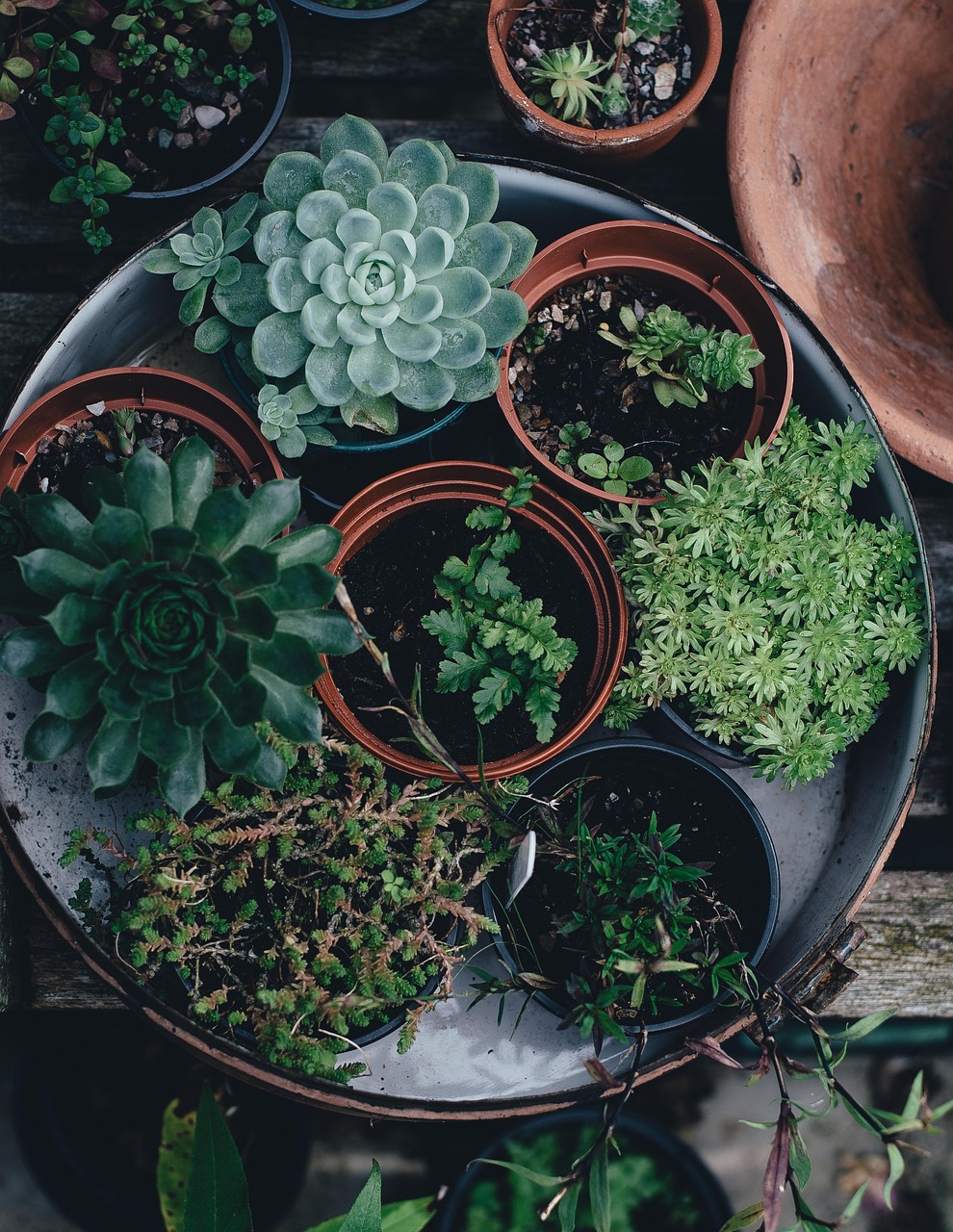
- Grouping Plants: Combine various plants in different heights and leaf textures for a robust aesthetic impact. Clustering plants not only looks good but can create a mini eco-system, beneficial for their health.
- Vertical Gardens: If floor space is limited, consider vertical gardens. Wall-mounted planters and hanging baskets can save space while greenifying your walls.
- Incorporate into Furniture: Use plants as natural, vibrant decorations on bookshelves, desks, or coffee tables to merge functionality with beauty seamlessly.
Maintaining Your Air-Purifying Garden
For your houseplants to thrive and provide the best air-filtering benefits, proper maintenance is key. Here are some guidelines:
- Watering: Each plant has different watering needs. However, most indoor plants require watering when the top inch of soil feels dry. Ensure the pots have good drainage to prevent root rot.
- Light: While some plants can thrive in low light, others might need bright, indirect light. Understand each plant’s needs and position them in your home accordingly.
- Fertilizing: Regular fertilizing during the growing seasons (spring and summer) can help keep your plants healthy and robust.
- Pruning and Cleaning: Remove dead or yellowing leaves to keep your plants looking fresh and healthy. Wiping the leaves occasionally can prevent dust accumulation, which can affect a plant’s ability to photosynthesize.
Conclusion
Introducing air-purifying houseplants into your home is more than just a decorative measure. These plants clean and improve the overall atmosphere, contributing positively to both physical and mental health. By understanding and harnessing the power of these natural air filters, you can transform your living space into a healthier, happier environment.
Ready to breathe easier? Bring some green indoors and let nature do its best work!