Breathing Easy: The Ultimate Guide to Air-Purifying Houseplants
In today’s modern world, indoor air quality has become a significant health concern. Contaminants like dust, mold, chemicals, and particles from everyday household items can degrade the air quality in our homes. The good news is that nature offers a simple solution: air-purifying houseplants. Not only do these plants add a touch of greenery and tranquility to your indoor spaces, but they also play a crucial role in cleaning the air we breathe. This comprehensive guide will explore the best air-purifying houseplants, how they improve indoor air quality, and some tips on caring for them.
What Makes Houseplants Effective Air Purifiers?
Scientific studies, including research by NASA, have shown that certain houseplants can absorb harmful toxins through the processes of photosynthesis and transpiration. Plants take in carbon dioxide and release oxygen, but they also absorb pollutants like formaldehyde, benzene, and ammonia, making them natural air purifiers.
Common Pollutants in Your Home
- Formaldehyde: Emitted from building materials and numerous household products.
- Benzene: Found in some plastics, fabrics, pesticides, and cigarette smoke.
- Ammonia: Present in cleaning products, fertilizers, and some personal care items.
- Trichloroethylene: Used in solvents and cleaners.
Top Air-Purifying Plants and Their Benefits
Spider Plant (Chlorophytum comosum)
The spider plant is renowned for its ease of care and ability to combat pollutants like formaldehyde and xylene. It’s a great starter plant for novices and thrives in indirect sunlight.
Snake Plant (Sansevieria trifasciata)
Also known as Mother-in-Law’s Tongue, the snake plant is one of the hardiest houseplants you can find, making it perfect for those who don’t have a green thumb. It excels in removing benzene, formaldehyde, trichloroethylene, and xylene.
Peace Lily (Spathiphyllum)
This beautiful plant not only brightens up a room but also removes harmful toxins like ammonia, benzene, formaldehyde, and trichloroethylene. It flowers throughout the summer, adding a touch of beauty to its practical benefits.
Aloe Vera
Beyond its application in skin care, aloe vera effectively removes formaldehyde and benzene from the air. It’s easy to grow and useful to have around for treating cuts and burns.
English Ivy (Hedera helix)
Studies have shown that English ivy can significantly reduce airborne mold particles and formaldehyde. It’s a great choice for areas with less-than-perfect air quality.
Caring for Your Air-Purifying Plants
Optimal Growing Conditions
- Light: Most air-purifying plants require moderate to bright indirect sunlight. Variegations in leaves can be a good indicator of light adequacy; less white or yellow suggests a need for more light.
- Water: Always check the soil moisture. Most plants prefer drying out slightly between waterings. Overwatering is a common mistake that can lead to root rot.
- Temperature and Humidity: Average home temperatures are suitable for most houseplants, though they thrive in higher humidity than some homes might offer during winter.
Common Issues and Solutions
- Brown Tips: Could indicate overwatering, dry air, or a buildup of fertilizers.
- Wilting: Usually a sign of underwatering or root rot from overwatering.
- Leaf Loss: Can be caused by too low light, extreme temperatures, or pests.
Integrating Plants Into Your Home Décor
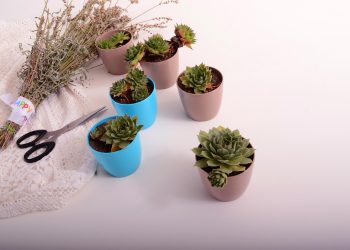
Incorporating air-purifying plants into your home decor is not only visually appealing but also enhances your living environment. Place larger plants in corners or use them as natural room dividers. Smaller plants like Aloe Vera or succulents can be perfect for desks or shelves. Hanging planters can be used for plants like English ivy, adding a fresh and lively feel to your space.
Common Questions About Air-Purifying Plants
Do air-purifying plants really work?
Yes, numerous studies including NASA’s Clean Air Study have shown that certain plants can remove toxins from the air. Although plants alone cannot completely purify indoor air, they can significantly contribute to improving the quality of air in conjunction with other methods.
How many plants do I need to purify a room?
The more plants, the better. However, as a general rule, having at least one plant per 100 square feet of home or office space can help improve air quality.
Are there any plants that might be harmful to pets or children?
Yes, some plants like the Peace Lily are toxic if ingested by pets or humans. Always check the toxicity of plants, especially if you have young children or pets.
Conclusion
Embracing air-purifying houseplants offers a natural and stylish way to enhance indoor air quality while beautifying your living spaces. With easy-to-care-for options available, even those new to gardening can enjoy the benefits these plants bring into homes and offices. Breathe easier with nature’s solution to pollution, and create a healthier environment for you and your loved ones.