Combatting Common Garden Pests: Strategies for a Healthier Garden
Maintaining a vibrant and healthy garden is an aspiration for many homeowners and gardening enthusiasts. However, the presence of common garden pests can turn this rewarding activity into a continuous struggle. In this article, we’ll explore effective strategies and tips for combating these pests, ensuring your garden remains a flourishing oasis.
Understanding Your Garden’s Ecosystem
Before diving into pest control, it’s crucial to understand the ecosystem of your garden. Each plant, insect, and microorganism plays a role in the overall health of your garden. A balanced ecosystem helps prevent the overpopulation of harmful pests and fosters a natural method of pest management.
Identifying Common Garden Pests
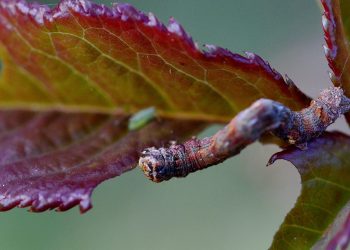
Knowing what you are dealing with is the first step in effective pest control. Some of the most common garden pests include aphids, slugs, snails, Japanese beetles, and caterpillars. Each pest has unique characteristics and affects your plants differently, so identifying them correctly will guide your control strategies.
Integrated Pest Management (IPM)
Integrated Pest Management (IPM) is a holistic approach that combines different management strategies aimed at sustainable pest control. IPM focuses not only on eradicating pests but also on understanding their life cycles, monitoring their presence, and employing multiple control methods.
1. Cultural Controls
Altering the environment to make it less conducive to pests can greatly reduce their numbers. This includes proper site selection, crop rotation, adequate plant spacing, and timely harvesting. These practices can help minimize the conditions that attract pests and enhance overall plant health.
2. Mechanical and Physical Controls
Mechanical methods, such as hand-picking or setting up barriers like nets and floating row covers, can effectively reduce pest damage. Physical controls also include using water sprays to dislodge pests or applying diatomaceous earth to deter them.
3. Biological Controls
Biological control involves the introduction or encouragement of natural predators into your garden. Ladybugs, lacewings, and predatory wasps are beneficial insects that consume aphids and other harmful pests. Planting nectar-rich flowers can attract these beneficial insects to your garden.
4. Chemical Controls
When other methods are insufficient, targeted use of pesticides may be necessary. Opt for environmentally friendly options such as neem oil, insecticidal soaps, or organic pesticides. Always follow the manufacturer’s instructions to minimize any adverse effects on the environment.
Preventive Practices for Garden Health
Prevention is better than cure, and this is particularly true in pest management. Maintaining robust plant health is your first line of defense against any pest invasion.
Regular Monitoring and Early Detection
Regularly inspect your garden for any signs of pest activity. Early detection is critical for effective control. Look out for tell-tale signs such as holes in leaves, chewed flowers, or visible bugs. The sooner you detect a problem, the easier it is to manage.
Smart Gardening Practices
Healthy plants are less susceptible to pests. Opt for appropriate fertilizers, ensure plants receive adequate water, and adjust based on weather conditions. Avoid over-watering and over-fertilizing, which can promote the growth of some pests.
Frequently Asked Questions (FAQs)
How can I deter deer and rabbits from my garden?
Using fencing or planting deer-resistant plants can help. You might also consider repellents; however, their effectiveness can vary.
Are there any plants that naturally repel insects?
Yes, plants like marigolds, lavender, and citronella are known for their insect-repellent properties.
Can companion planting help control pests?
Absolutely! Companion planting can deter pests. For example, planting garlic near roses can help repel aphids.
Should I remove all insects from my garden?
Not all insects are harmful. Beneficial insects play a crucial role in pollination and pest control. Learning to differentiate between harmful and beneficial insects can enhance your garden’s health.
Conclusion
In conclusion, while garden pests can be a nuisance, employing a combination of strategies like Integrated Pest Management can significantly reduce their impact. By understanding your garden’s ecosystem, using preventive measures, and applying control methods judiciously, you can maintain a healthy and vibrant garden. Always aim for a balanced approach to protect both your plants and the environment, ensuring your gardening efforts are sustainable and rewarding.
As you continue to cultivate and nurture your garden, remember that patience and persistence are key. Adjust your strategies as you learn what works best for your specific conditions, and enjoy the process of creating a thriving garden ecosystem.
—
With these insights and techniques, you’re well-equipped to tackle common garden pests and develop a healthier, more robust garden that thrives all season long.