








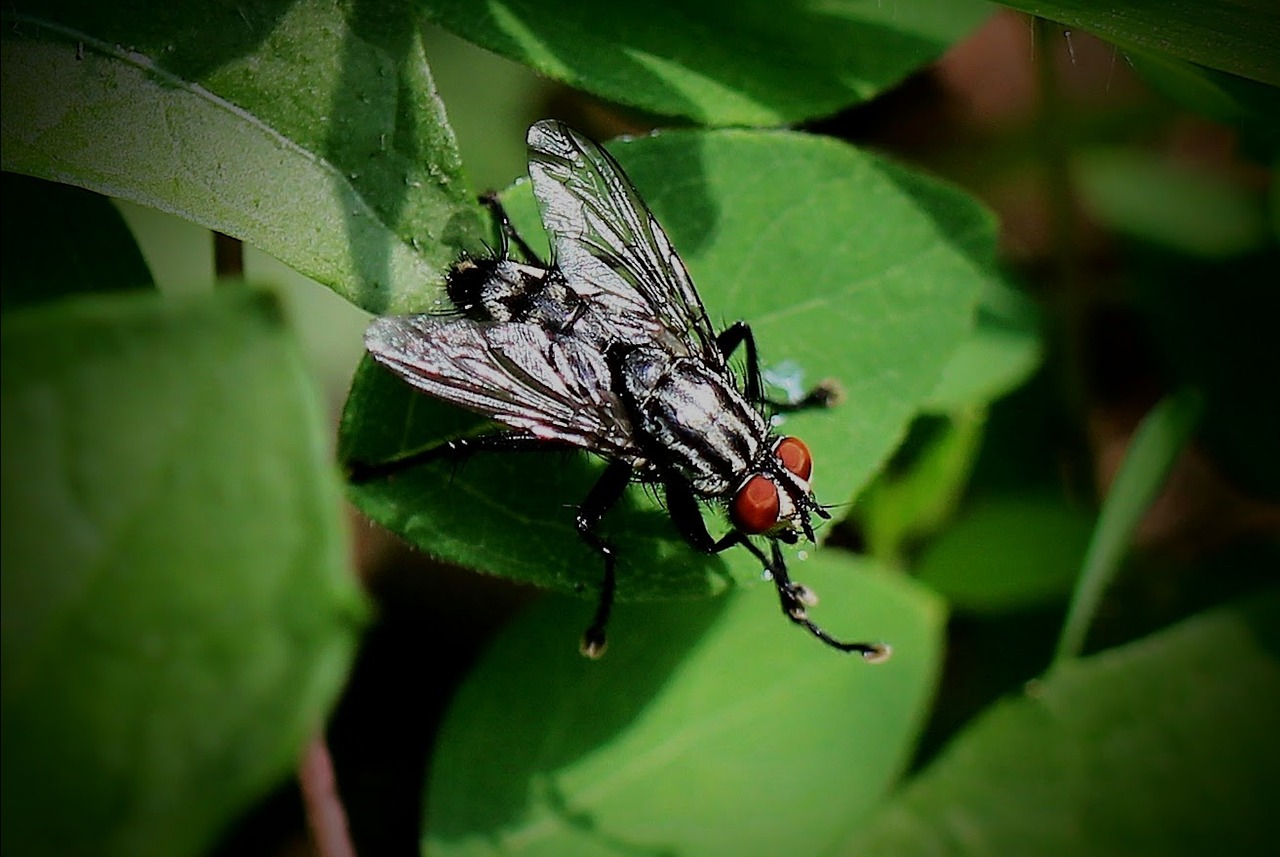
Eliminating Pests for Good: Effective Strategies for a Bug-Free Home
Dealing with unwanted pests in your home can be frustrating and sometimes feels like a never-ending battle. From ants marching in your kitchen to mosquitoes invading your living space, the presence of pests is not only annoying but can also pose health risks. Implementing effective pest control strategies can help you achieve a bug-free home. In this article, we explore comprehensive measures to eliminate pests for good, ensuring your living space remains comfortable and hygienic.
Understanding Common Household Pests
Identifying the types of pests you are dealing with is the first step in effective pest management. Common household pests include roaches, ants, rodents, mosquitoes, and bedbugs, each requiring specific strategies for effective elimination.
1. Roaches
Cockroaches are attracted to food, water, and moisture. They can spread germs and contaminate food sources, making comprehensive roach control essential.
2. Ants
Ants often enter homes in search of food or shelter. They are particularly attracted to sweet and sticky substances, so keeping your space clean and free of food debris is crucial.
3. Rodents
Mice and rats can cause significant damage and carry diseases. Sealing entry points and maintaining good sanitation can help prevent rodent infestations.
4. Mosquitoes
Mosquitoes need standing water to breed. Eliminating water sources can dramatically reduce mosquito populations.
5. Bedbugs
Bedbugs are hitchhikers and can enter your home through luggage, furniture, or clothing. Regular inspection and professional treatment are often necessary to rid your home of bedbugs.
Preventative Measures to Keep Pests Away
Prevention is undoubtedly the most efficient way to manage pests. Here are crucial preventative measures any homeowner can implement:
Seal Cracks and Openings
Seal any cracks and openings around your home, especially where pipes and wires enter the structure. This can prevent pests from finding their way inside.
Maintain Cleanliness
Regular cleaning helps prevent pests by removing food sources. Be sure to wipe down surfaces, sweep floors, and take out the trash regularly.
Store Food Properly
Proper food storage plays a critical role in pest prevention. Use airtight containers and avoid leaving food out in the open.
Manage Waste Efficiently
Proper waste management, including regular disposal and using bins with tightly fitted lids, can significantly reduce pest infestations.
Regular Maintenance of Outdoor Areas
Keeping your garden or patio clean and tidy deprives pests of breeding grounds and hiding spots. Trim bushes and trees near your home regularly.
Effective Pest Elimination Techniques
If prevention fails, here are some effective pest elimination strategies to regain control of your home:
Use Baits and Traps
For rodents and small insects like ants and roaches, baits and traps are effective. They contain pesticides that can eliminate entire colonies when implemented correctly.
Natural Remedies
Natural remedies, such as diatomaceous earth for bedbugs and ants, can be safe and effective. Essential oils like eucalyptus or tea tree oil can also deter many pests.
Chemical Treatments
When natural remedies are not sufficient, chemical treatments may be necessary. Always use pesticides according to the label directions or hire a professional pest control service.
Professional Pest Control Services
Professional exterminators can offer more permanent solutions, especially for severe or large-scale infestations. They have access to tools and chemicals that are not available to the general public.
Frequently Asked Questions
Here are some common questions homeowners have about pest control:
How often should I have a professional inspect my home?
It’s advisable to have a professional inspection at least once a year. If you live in areas prone to specific pests, more frequent inspections might be necessary.
Are home remedies effective for all types of pests?
While home remedies can work, their effectiveness can vary depending on the type and severity of the infestation. They are best used as preventative measures or for minor pest issues.
Can cleaning alone keep my home pest-free?
Cleaning is vital for preventing pests, but it may not be enough on its own. Combining cleanliness with proper food storage, waste management, and physical barriers offers the best protection.
Conclusion
Achieving a bug-free home requires a combination of preventative measures and effective elimination techniques. By understanding the pests you’re dealing with, maintaining a clean environment, and using the right tools and methods, you can enjoy a pest-free home. Remember, professional pest control services can provide a valuable resource in your battle against bugs.
This structured approach to eliminating pests blends preventative measures, home remedies, and professional interventions, catering to various scenarios in pest control. By covering common household pests, this article offers tailored advice ensuring relevance and effectiveness for homeowners looking to maintain a pest-free environment.






