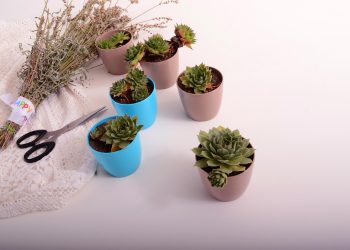
Essential Tools for Thriving Indoor Gardens
Indoor gardening has become a popular hobby and a stylish way to enhance home decor. Creating an indoor garden not only adds beauty to your home but also provides a fulfilling engagement with nature. Whether you are a beginner or an experienced indoor gardener, having the right tools at your disposal can make the difference between a thriving garden and one that just survives. In this comprehensive guide, we’ll explore the essential tools for maintaining a healthy and vibrant indoor garden, with considerations for every level of experience.
H1: Understanding Indoor Gardening Needs
Before diving into the tools, it’s essential to understand that indoor gardening differs significantly from its outdoor counterpart. Challenges such as limited light, space constraints, and indoor climate control must be managed actively. Each plant has unique requirements, including specific needs for water, light, and nutrients. Selecting the right tools enhances your ability to meet these needs accurately and efficiently.
H2: Must-Have Tools for Indoor Gardeners
H3: Quality Potting Mix and Containers
A high-quality potting mix is foundational to indoor gardening success. Opt for a mix that retains moisture yet drains well to prevent waterlogged roots which can lead to root rot. When it comes to containers, ensure they have enough drainage holes. Varieties include plastic, ceramic, and fabric pots, each with different aesthetic appeals and functional benefits.
H3: Watering Can or System
Over-watering is a common issue in indoor gardens. A watering can with a long spout offers control and precision, making it easier to water your plants without soaking the foliage unnecessarily. For those with a larger collection of plants or busy schedules, automated watering systems can be a valuable investment.
H3: Lighting Solutions
Proper lighting is crucial for photosynthesis and overall plant health. Natural light isn’t always abundant indoors, so artificial grow lights can compensate. LED or fluorescent grow lights are popular choices, providing a spectrum of light suited to plant growth without overheating your space.
H3: Humidity and Temperature Control Tools
Many indoor plants thrive in humid conditions. Tools like humidity trays or a small humidifier can help maintain optimal moisture in the air. Additionally, a thermometer can help you monitor the room temperature to ensure it stays within a range that is comfortable for your plants.
H3: Fertilizers and Nutrients
Indoor plants will eventually exhaust the nutrients available in their potting mix. A balanced, water-soluble fertilizer can replenish these nutrients and promote healthy growth. Organic options such as fish emulsion or seaweed extract are also popular among eco-conscious gardeners.
H2: Advanced Indoor Gardening Tools
For those looking to take their indoor gardening to the next level, investing in more sophisticated tools can boost the health and growth of your plants.
H3: Soil Meters
Soil meters can check moisture levels, pH levels, and sometimes nutrient content in the soil, providing a more scientific approach to plant care. These tools are particularly useful for plants with specific soil requirements.
H3: Pruning Tools
Regular pruning helps maintain plant health by removing dead or overgrown branches. High-quality pruning shears or scissors are crucial for making clean cuts that heal quickly.
H3: Plant Supports
As indoor plants grow, some may need extra support. Stakes, trellises, or even moss poles can be used to support plants, help them maintain their shape, and encourage upward growth.
H2: Frequently Asked Questions
H3: What are the best grow lights for indoor gardens?
LED grow lights are generally preferred due to their energy efficiency and low heat output. However, fluorescent bulbs can also be an excellent choice for smaller, low-light plants.
H3: How often should I fertilize my indoor plants?
Typically, indoor plants should be fertilized every 4-6 weeks during the growing season. It’s best to reduce feeding during the dormant winter months.
H3: Can indoor gardening improve air quality?
Yes, multiple studies suggest that indoor plants can remove pollutants from the air. Plants such as spider plants, peace lilies, and snake plants are known for their air-purifying properties.
H1: Conclusion
To cultivate a thriving indoor garden, equipping yourself with the right tools is crucial. By selecting appropriate containers, managing light and water needs accurately, and maintaining the health of your soil and plants, you can ensure your indoor garden remains vibrant and flourishing. Whether you’re decorating your living space or growing herbs for your kitchen, an indoor garden provides a rewarding experience with the right tools and knowledge.