





Exploring Natural Solutions: The Effectiveness of Herbal Bug Repellents
In the modern quest for healthier living and environmental stewardship, natural alternatives to chemical products have gained significant popularity. This trend extends to pest control, particularly in the use of herbal bug repellents. Pests like mosquitoes, ticks, and flies are not just annoyances; they can also be carriers of serious diseases. Thus, finding efficient means to repel them without harming our health or the environment is crucial. In this article, we explore the effectiveness of herbal bug repellents, examine how they work, and discuss their benefits and limitations.
Understanding Herbal Bug Repellents
Herbal bug repellents are products formulated from plant-based ingredients known for their insect-repelling properties. Notable among these are essential oils extracted from plants like citronella, eucalyptus, lavender, tea tree, and neem. The efficacy of these natural agents against insects is well-documented in various studies, which compare them to DEET (N,N-Diethyl-meta-toluamide) — a common chemical found in many conventional bug repellents.
How Do Herbal Repellents Work?
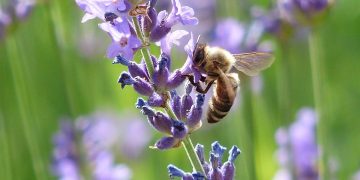
The mechanism behind herbal repellents involves the natural odors and compounds present in essential oils, which are found to be disagreeable to many insects. For instance, citronella oil releases a distinctive aroma that masks scents attracting insects, effectively making it harder for pests like mosquitoes to locate their targets. Lavender, on the other hand, contains linalool and linalyl acetate, compounds that are toxic to a variety of insects.
Comparative Effectiveness of Herbal Repellents
The effectiveness of herbal repellents can vary based on the type of insect, concentration of the active ingredient, and the formulation. Studies have shown that products containing oil of lemon eucalyptus can be particularly effective against mosquitoes and can provide protection comparable to low concentrations of DEET. Other essential oils, like geraniol, have shown efficacy in repelling ticks, mosquitoes, and head lice.
Advantages of Using Herbal Repellents
One of the prominent advantages of herbal repellents is their safety profile. Unlike DEET, which can cause skin irritations and other adverse effects in sensitive individuals, natural repellents are generally gentler and safer for regular use. They are especially preferred for use on children, who can be more vulnerable to the harsh chemicals in synthetic repellents.
Furthermore, herbal bug repellents are environmentally friendly. They biodegrade quickly and do not accumulate in the ecosystem, thereby reducing environmental toxicity. Many natural repellents are also sustainably sourced, contributing to eco-friendly pest control solutions.
Limitations of Herbal Repellents
Despite their benefits, herbal repellents do have some limitations. Their duration of effectiveness is often shorter than that of their synthetic counterparts, requiring more frequent reapplication. The strength and longevity of protection can also be influenced by factors such as sweat, water exposure, and formulation.
Choosing the Right Herbal Repellent
With a variety of products available, choosing the right herbal bug repellent involves understanding your specific needs and the situations in which you’ll use the product. Here are a few tips:
- Check the active ingredients: Look for repellents with proven ingredients like oil of lemon eucalyptus, picaridin, or IR3535. These are not only natural but also among the most effective.
- Consider the application method: Sprays may be ideal for covering larger areas of the body, while creams might be suitable for targeted application.
- Reapplication frequency: Since natural repellents may have a shorter effective period, choose formulations that suit your activity level and duration of exposure.
FAQs About Herbal Bug Repellents
Are herbal repellents safe for use on pets?
Many herbal repellents are safe for pets, but it’s essential to check the specific ingredients and consult with a veterinarian, as some essential oils can be toxic to animals.
Can I make my own herbal repellent at home?
Yes, DIY repellents can be effective. Recipes often include a mix of essential oils such as citronella, eucalyptus, and lavender, diluted in a carrier oil or alcohol base. However, homemade products may vary in effectiveness.
How often should I reapply herbal repellent?
This depends on the formulation and your activity level. Generally, reapplication every two to three hours may be necessary, especially in environments with high pest activity.
Conclusion
Herbal bug repellents offer a viable and health-friendly alternative to synthetic insect repellents, with a range of products available to suit different needs and preferences. By choosing the right product and using it correctly, you can enjoy outdoor activities more safely and comfortably, free from the worry of annoying pests and harmful chemicals.
When considering natural solutions like herbal bug repellents, it’s beneficial to weigh their pros and cons in light of your personal health, environmental impact, and effectiveness needs. These products not only confer protection against insects but also contribute to a more sustainable and ecologically conscious way of life.