




Exploring Soil Diversity: The Best Types for Healthy Plant Growth
Soil is not just dirt; it is a vibrant ecosystem essential for the health and growth of plants. Understanding the diversity of soil types can help gardeners and farmers select the best soil for their crops, thus ensuring optimal growth. In this article, we will explore the different types of soil, their characteristics, and their suitability for various plants.
The Importance of Soil Health
Healthy soil is fundamental in growing plants effectively. It supports plant health by providing nutrients, water, air, and a stable structure. Soil health is a critical factor in agricultural productivity and environmental quality, influencing everything from plant growth to water filtration.
How Does Soil Contribute to Plant Health?
Soil affects plant health in multiple ways:
- Nutrient Supply: Essential nutrients like nitrogen, phosphorus, and potassium are supplied through the soil.
- Water Retention: Soil helps in retaining water which is necessary for plant growth.
- Root Support: The soil structure should be such that it supports the plant structure by anchoring roots and facilitating growth.
Key Types of Soil
There are several types of soil, each with unique properties that make them more or less suited for different types of plant growth. The main types include:
Clay Soil
Characteristics: Clay soil is dense with fine particles that stick together, creating a heavy texture. It has good nutrient retention but poor drainage and does not aerate well, making it slow to warm up in spring.
Best for: Because it retains moisture, clay soil is good for moisture-loving plants. Examples include ferns, astilbe, and marigold.
Sandy Soil
Characteristics: Sandy soil has large, coarse particles, which help it drain quickly and warm up faster. However, it often lacks nutrients because water washes them away.
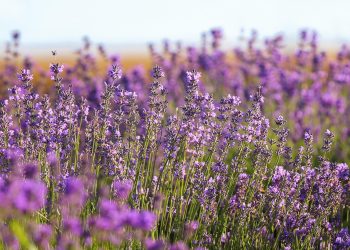
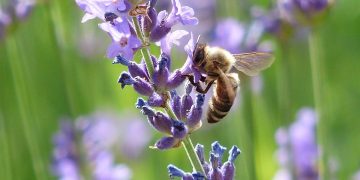
Best for: Plants that thrive in dry conditions, such as cacti, succulents, and lavender, do well in sandy soil.
Loamy Soil
Characteristics: Loamy soil is considered the ideal planting medium. It is a balanced mixture of sand, silt, and clay, providing excellent drainage, nutrient retention, and aeration.
Best for: Most vegetable and flower gardens would benefit greatly from loamy soil because it supports a wide range of plant types.
Peaty Soil
Characteristics: Peaty soil is high in organic material and moisture. It is darker in color and can retain a large amount of water, which can sometimes impede drainage.
Best for: This type of soil is ideal for acid-loving plants like blueberries and camellias.
Chalky Soil
Characteristics: Chalky soils are alkaline and may be problematic for plants that need more acidic conditions. They often contain stones and can lead to stunted plant growth due to mineral deficiencies.
Best for: Plants that can tolerate higher pH levels, such as lilacs and certain types of perennials, tend to do well in this soil type.
Enhancing Soil Quality
Regardless of the type of soil, improving its quality can enhance plant growth. Here are tips to enhance soil quality:
Add Organic Matter
Incorporating compost, manure, or leaf mold can improve the structural and nutritional value of the soil. This is especially useful in sandy soils to increase nutrient retention or in clay soils to improve drainage.
Regular Soil Testing
Regular testing helps you understand the nutrient profile of your soil and indicates the necessary amendments to improve soil fertility.
Use of Mulches
Mulching helps in retaining soil moisture, controlling weeds, and preventing soil compaction. Organic mulches also contribute organic matter as they decompose.
Crop Rotation and Cover Crops
These practices help in nutrient management and soil structure. They also prevent the buildup of pests and diseases.
Common Questions About Soil Types
What is the Fastest Way to Improve Soil?
The fastest way to improve soil is by adding well-decomposed organic matter. This quickly improves soil structure, enhances nutrient content, and boosts microbial activity.
How Often Should I Test My Soil?
It is advisable to test your soil every 1-2 years, as this will guide how to adjust your soil management practices effectively.
Can I Change My Soil Type?
While changing the fundamental texture of your soil is not feasible, improving its characteristics through amendments like gypsum (for clay soil) or organic compost (for sandy soil) is possible.
Conclusion
Choosing the right type of soil is key to successful gardening and farming. By understanding different soil types and their effects on plant growth, gardeners can make informed decisions that promote healthy plants. Whether you are dealing with sandy, clay, or loamy soil, enhancements are always possible to create a thriving garden. Happy gardening!
By integrating these practices and knowledge about soil types, gardeners and farmers can dramatically improve the health and yield of their plants, contributing to more productive and sustainable practices.