




Exploring the Beauty and Benefits of Indoor Gardening
Indoor gardening has surged in popularity in recent years, attracting enthusiasts who appreciate its aesthetic appeal and the multitude of benefits it brings to interior living spaces. This detailed guide will explore the wonderful world of indoor gardening, highlighting not only its beauty but also how it can enhance your physical and mental wellbeing, improve the air quality of your home, and serve as a fulfilling hobby.
What is Indoor Gardening?
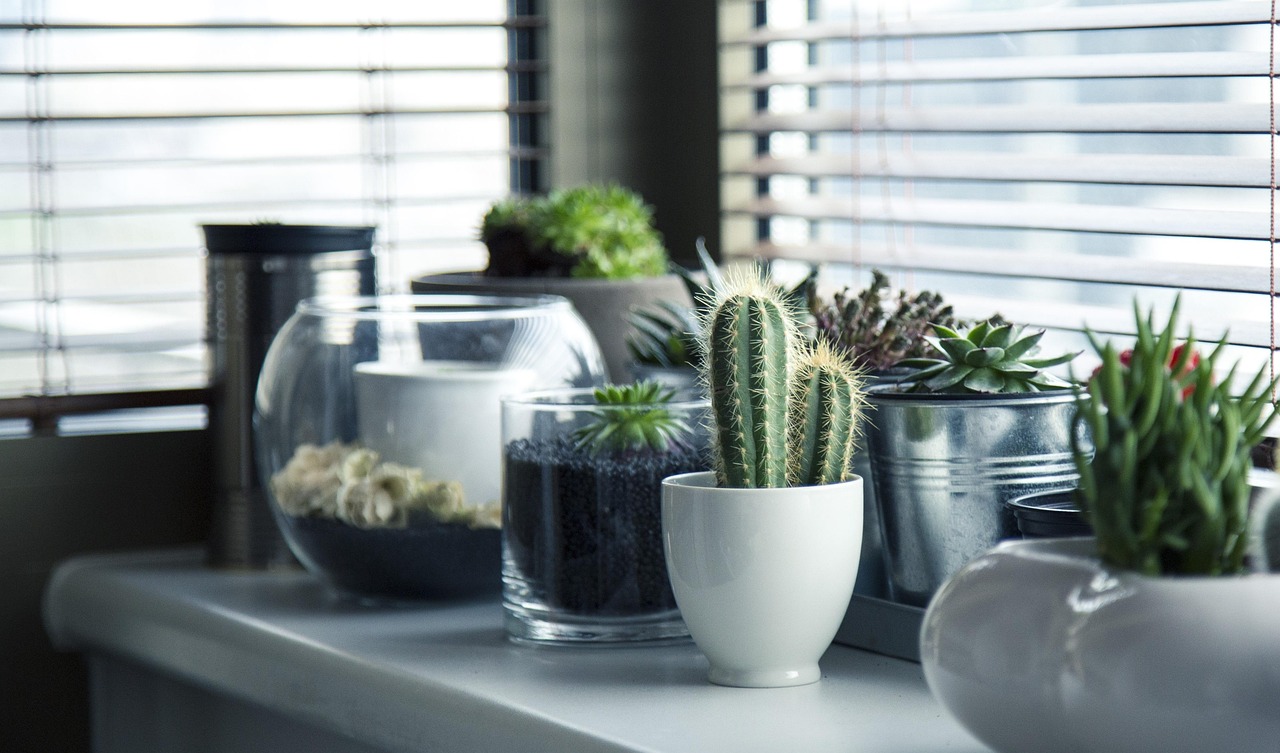
Indoor gardening involves growing plants within an indoor environment, including residences, offices, or any other enclosed spaces. Unlike traditional gardening, this method does not depend on natural weather conditions and uses containers or indoor gardening systems. It ranges from nurturing simple houseplants and herbs to cultivating more complex flowers and small vegetables.
The Aesthetic Appeal of Indoor Gardens
One of the primary draws of indoor gardening is its ability to transform living spaces into more vibrant and inviting places. Utilizing a variety of plants in your indoor space can help stylize and personalize your home or office. The greenery adds a natural element that can complement any decor style, whether it’s modern minimalism or rustic charm.
Moreover, plants like the Peace Lily or colorful Anthurium can add splashes of color, while structural plants like the Snake Plant or Fiddle Leaf Fig can create eye-catching focal points. Integrating these elements into your home can significantly boost its aesthetic value.
Health Benefits of Indoor Gardening
Indoor gardening offers numerous health benefits that are both physical and psychological. Firstly, many indoor plants are known for their ability to purify the air. According to studies by NASA, plants such as the Spider Plant and Boston Fern can remove toxins like formaldehyde and benzene from the air. This natural air purification contributes to a healthier living environment, reducing the likelihood of respiratory issues and other health problems caused by indoor pollutants.
Additionally, the act of caring for plants can reduce psychological stress. A study conducted by the Journal of Physiological Anthropology found that interacting with indoor plants can reduce both physiological and psychological stress in humans. This therapeutic activity can decrease a person’s stress and anxiety levels, promoting a sense of wellbeing and relaxation.
Improving Mental Health
Beyond reducing stress and anxiety, cultivating an indoor garden can have therapeutic benefits, particularly for those dealing with mental health issues like depression and anxiety. Horticultural therapy has been recognized as an effective treatment in improving mood and reducing fatigue.
Practical Benefits of Indoor Gardening
Aside from enhancing mood and decor, indoor gardening can yield practical benefits as well. Growing your own herbs, for instance, can provide fresh and readily available ingredients for cooking, which not only adds flavor to your dishes but also cuts down on grocery shopping, ultimately saving money.
Moreover, engaging with your indoor plants can serve as a physical activity that helps improve your mobility and dexterity. Regular gardening tasks such as potting, planting, and watering can be a good form of physical exercise, particularly beneficial for older adults or those with limited mobility.
Energy Conservation
Indoor gardening can also aid in conserving energy. Plants can help regulate humidity levels and maintain thermal comfort by cooling the air through the process of transpiration. This can reduce reliance on air-conditioning during warmer months, leading to considerable energy savings.
Getting Started with Indoor Gardening
Starting an indoor garden might seem daunting, but with a few simple steps, anyone can embark on this green journey. First, choose the right spot in your home that receives sufficient light. Next, select plants that suit the available light and your lifestyle. Some plants require more care and frequent watering than others, so it’s important to make choices that align with your routine.
When it comes to tools and supplies, basics include pots with drainage holes, the right soil mix, and perhaps some fertilizers and watering cans. Local garden centers and online resources can also provide plenty of guidance and materials for beginners.
Common Questions About Indoor Gardening
What Are the Best Plants for Beginners?
If you’re new to indoor gardening, opting for plants that are easy to care for is a wise decision. Species like the Pothos, Spider Plant, and ZZ Plant are known for their hardiness and minimal care requirements. These plants are forgiving and can thrive even under less-than-ideal conditions.
How Often Should I Water My Indoor Plants?
Watering frequency greatly depends on the type of plants you have, the climatic conditions of your home, and the time of year. As a general rule, it’s essential to let the soil partially dry out between watering sessions to prevent root rot. Make sure to research each plant’s specific needs.
Conclusion
Indoor gardening is more than just an aesthetic enhancement; it’s a pathway to achieving a healthier, happier living environment. Whether you’re drawn to its beauty or its numerous health and practical benefits, starting an indoor garden could be the next beloved hobby waiting to flourish in the comfort of your own home.