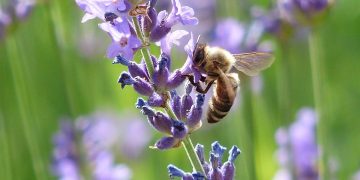





Flourishing Through the Seasons: Essential Tips for Year-Round Plant Care
Caring for plants is a rewarding endeavor that enhances your home and garden with beauty and vitality. Regardless of whether you are a beginner or an experienced gardener, understanding how to tend to your plants throughout the changing seasons is crucial. This comprehensive guide offers vital tips and strategies for optimal plant care year-round, ensuring that your greenery thrives in all conditions.
Understanding Your Plant’s Needs
Before diving into seasonal care, it’s essential to recognize that different plants have varying needs. Factors such as light, water, temperature, humidity, and soil type play significant roles in their health and growth. Identifying your plant’s specific requirements is the first step toward successful gardening.
Seasonal Light Conditions
Light is a critical factor that changes with the seasons. Most plants require more light during the shorter days of autumn and winter and less during the brighter months of spring and summer. Use adjustable blinds or shades to regulate light intensity, and consider supplemental lighting like grow lights during darker months.
Spring Plant Care: Awakening and Growth
Spring Cleaning: Begin the season by clearing any dead foliage and pruning necessary branches to promote new growth. Remove any weeds that have taken root during the winter to prevent competition for nutrients.
Soil Preparation: Refresh the soil in your garden and pots. Enriching your soil with compost or a balanced fertilizer can provide essential nutrients that fuel growth.
Watering Adjustments: As temperatures begin to rise, monitor the moisture levels in your soil. Spring can have varying rainfall, so adjust your watering schedule accordingly to avoid overwatering or underwatering.
Summer Plant Care: Maintenance and Monitoring
Pest and Disease Control: Summer often brings about an increase in pests and diseases. Regularly inspect your plants for signs of distress. Natural remedies or appropriate pesticides can manage infestations before they become severe.
Watering and Humidity: Higher temperatures and increased sunlight can lead to quicker soil drying. Ensure your plants receive plenty of water early in the morning or during the cooler parts of the day. For tropical plants, maintaining higher humidity might be necessary.
Mulching: Apply a layer of mulch around your plants to help retain soil moisture and regulate soil temperature.
Autumn Plant Care: Preparation for Dormancy
Fertilization: Reduce the frequency of fertilizing as plants begin to enter their dormant phase. Excessive nutrients can stimulate growth that won’t withstand winter temperatures.
Transplanting and Division: Autumn is an ideal time for transplanting perennials or dividing them to ensure their health and expansion in the next season.
Protection Strategies: Begin to prepare your plants for the colder months. For delicate plants, consider using frost cloths or moving them indoors if possible.
Winter Plant Care: Dormancy and Protection
Indoor Plant Environment: If you’ve moved plants indoors, ensure they’re located in well-ventilated areas away from direct heat sources. Grouping plants together can help increase humidity levels.
Inspection and Maintenance: Regularly check on your plants for signs of pests and diseases, even in winter. Rotate them periodically to ensure they receive even light exposure.
Watering Practices: Reduce watering during the winter, as plant growth slows and excess water can lead to root rot. Water only when the topsoil feels dry to the touch.
Year-Round Tips for Success
Regular Monitoring: Keep a consistent check on your plants’ conditions. Adjust care routines as needed based on their growth patterns and overall health.
Knowledge Expansion: Invest time in learning more about the specific species you are growing. Understanding their native environments and growth cycles can enhance your care strategies.
Community Engagement: Join forums, attend workshops, and connect with other gardening enthusiasts. Exchanging tips and experiences can provide new insights and solutions to common problems.
Conclusion
Effective plant care requires attention and adaptation to both the plant’s needs and the seasonal changes throughout the year. By following these guidelines, you can ensure that your plants not only survive but thrive under your care. Remember, the key to successful gardening is patience, observation, and continually enriching your knowledge and practices.
Happy Gardening!