




Green Guard: Strategies for Effective Organic Pest Control
Organic gardening is growing in popularity as more people seek sustainable and environmentally friendly ways to grow their plants and produce. One of the key elements in successful organic gardening is effective pest control. In this article, we will delve into Green Guard strategies that can help gardeners manage pests organically, ensuring healthy plant growth without harming the ecosystem.
Understanding Organic Pest Control
What Is Organic Pest Control?
Organic pest control refers to methods that do not involve synthetic chemicals. Instead, it utilizes natural mechanisms such as biological control, organic pesticides, and cultural practices to manage pest populations. This approach promotes a balanced ecosystem and supports biodiversity, which is beneficial for both the plants and the environment.
Why Choose Organic Methods?
Opting for organic pest control strategies over chemical methods has several advantages. It ensures the safety of the food produced, protects pollinators and beneficial insects, and preserves soil health. Additionally, it prevents the development of chemical-resistant pest strains, promoting long-term sustainability.
Effective Strategies for Organic Pest Control
Biological Control
Introduction to Beneficial Insects
One cornerstone of organic pest control is the use of beneficial insects that prey on harmful pests. For instance, ladybugs consume large amounts of aphids, and lacewings can help manage populations of pests like whiteflies and mites.
Creating a Beneficial Habitat
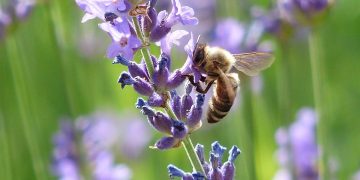
To attract beneficial insects, gardeners can plant a variety of flowers and herbs that provide nectar and pollen. Structures like insect hotels also provide nesting sites for these allies.
Organic Pesticides
Choosing the Right Product
Not all organic pesticides are suitable for every situation. It’s important to choose products approved for organic use and effective against specific pests troubling your garden.
Application Tips
When using organic pesticides, timing and application are crucial. These products often require more precise handling to be effective. Always follow the label instructions to ensure effective and safe use.
Cultural Practices
Crop Rotation
Rotating crops annually helps prevent the buildup of pests associated with specific plants. This practice also aids in soil health, reducing the need for chemical interventions.
Sanitation and Maintenance
Regularly removing debris and diseased plants helps minimize habitats for pests. Proper sanitation practices can dramatically reduce pest problems in an organic garden.
Physical and Mechanical Controls
Barriers and Traps
Using barriers like row covers can physically prevent pests from reaching plants. Similarly, traps can help monitor and reduce pest populations without chemical use.
Manual Removal
Sometimes, direct removal of pests by hand can be effective, particularly if infestations are caught early.
Common Questions About Organic Pest Control
Will Organic Pest Control Instantly Kill Pests?
Unlike chemical pesticides, organic methods may act slower and require persistence. However, they offer a sustainable approach that benefits garden health in the long run.
Can I Make Homemade Organic Pesticides?
Yes, numerous recipes, such as neem oil and soap mixes, can be effective against certain pests. However, homemade solutions should be used with care as they can sometimes harm beneficial insects or plants.
Are Organic Methods Less Effective Than Chemicals?
Organic pest control can be just as effective as chemical methods, especially when integrated into a holistic garden management plan that includes prevention and regular monitoring.
Implementing Green Guard Techniques
Starting Small
For those new to organic gardening, it’s advisable to start small and expand as you gain confidence and experience with organic practices.
Continuous Learning
Staying informed about organic pest control strategies and new developments in the field can enhance your effectiveness as a gardener.
Community Resources
Many communities offer resources such as workshops and master gardener classes where individuals can learn more about organic gardening practices.
Conclusion
Effectively controlling pests in an organic garden is achievable with the Green Guard strategies outlined above. By understanding and implementing these natural pest control methods, gardeners can enjoy a healthy, productive, and environmentally responsible garden. Over time, these practices contribute not only to individual garden success but also to broader ecological health, making them a crucial aspect of modern gardening. Whether you are a novice or an experienced green thumb, embracing organic pest control techniques will enhance your gardening sustainability and productivity.