




[ad_1]
Greening the Garden: A Guide to Sustainable and Eco-Friendly Gardening Practices
With the increasing awareness of environmental issues and the importance of sustainability, more and more people are looking for ways to make their everyday activities more eco-friendly. One area where this shift towards sustainability is particularly important is in gardening. By adopting sustainable and eco-friendly gardening practices, you can not only reduce your carbon footprint but also create a healthier and more vibrant garden that benefits both you and the environment.
Why Go Green in the Garden?
There are many reasons why it is important to adopt sustainable and eco-friendly gardening practices. First and foremost, traditional gardening methods often rely on the use of harmful chemicals and pesticides that can have negative effects on the environment and human health. By switching to more sustainable gardening practices, you can reduce your exposure to these harmful substances and minimize your impact on the ecosystem.
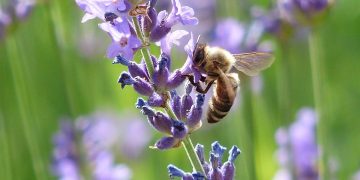
Additionally, sustainable gardening practices can help conserve water, reduce waste, and promote biodiversity. By using organic fertilizers, compost, and mulch, you can improve soil health and fertility without the need for synthetic chemicals. This not only benefits your plants but also promotes a healthy ecosystem that supports a diverse range of beneficial insects, birds, and other wildlife.
Key Principles of Sustainable Gardening
When it comes to greening your garden, there are several key principles to keep in mind:
1. Reduce, Reuse, Recycle
One of the most important aspects of sustainable gardening is the mantra of “reduce, reuse, recycle.” Instead of throwing away garden waste, consider composting it to create nutrient-rich soil for your plants. You can also repurpose old containers, furniture, and other materials to create unique and eco-friendly garden features.
2. Conserve Water
Water is a precious resource, especially in arid regions where droughts are becoming more common. To conserve water in your garden, consider installing a rain barrel to collect rainwater for irrigation, using drip irrigation systems to water your plants efficiently, and choosing drought-resistant plants that require less water.
3. Use Organic and Natural Products
Avoid synthetic chemicals and pesticides in your garden by opting for organic and natural products instead. Organic fertilizers, compost, and mulch can help improve soil health and fertility without harming beneficial insects and other wildlife.
Practical Tips for Eco-Friendly Gardening
Now that you understand the importance of sustainable gardening practices, here are some practical tips to help you green your garden:
1. Choose Native Plants
Native plants are well-adapted to your local climate and soil conditions, making them more resilient and less reliant on additional water and fertilizers. By incorporating native plants into your garden, you can create a more sustainable and low-maintenance landscape that supports local wildlife.
2. Practice Integrated Pest Management
Integrated pest management (IPM) is a holistic approach to pest control that focuses on prevention, monitoring, and control. By using a combination of cultural, biological, and mechanical control methods, you can effectively manage pests in your garden without resorting to harmful chemicals.
3. Mulch and Compost
Mulching and composting are two essential practices for improving soil health and fertility in your garden. Mulch helps retain moisture, suppress weeds, and regulate soil temperature, while compost adds essential nutrients and organic matter to the soil. By incorporating these practices into your gardening routine, you can reduce the need for synthetic fertilizers and pesticides.
The Benefits of Eco-Friendly Gardening
By adopting sustainable and eco-friendly gardening practices, you can enjoy a wide range of benefits, including:
1. Healthier Plants
Organic fertilizers, compost, and mulch can help improve soil health and fertility, leading to healthier and more resilient plants that are better able to resist pests and diseases.
2. Reduced Environmental Impact
By avoiding synthetic chemicals and pesticides, you can minimize your impact on the environment and promote a healthy ecosystem that supports biodiversity and wildlife.
3. Cost Savings
By using compost, mulch, and other organic materials in your garden, you can reduce the need for expensive synthetic fertilizers and pesticides, saving you money in the long run.
Conclusion
Greening your garden is not only good for the environment but also for your health and well-being. By adopting sustainable and eco-friendly gardening practices, you can create a vibrant and healthy garden that benefits both you and the planet. So why wait? Start greening your garden today and reap the rewards of a more sustainable and eco-friendly outdoor space.
Remember, small changes can make a big difference, so start with one eco-friendly practice at a time and watch your garden thrive in harmony with nature.
[ad_2]