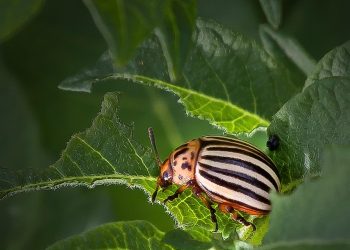





Harnessing Nature’s Defenses: Advancements in Plant Disease Resistance
With the global population projected to reach 9.7 billion by 2050, the pressure on agricultural sectors to produce more food is tremendous. Compounding this issue, plant diseases cause significant reductions in agricultural productivity and crop quality. Fortunately, advancements in plant disease resistance are promising a future where crops are more resilient, sustainable, and productive. This comprehensive exploration delves into the strides scientists are making in phytopathology and genetic engineering, aiming to equip plants with robust defenses against diseases.
The Burden of Plant Diseases
Plant diseases can devastate entire crops, leading to substantial economic losses and reduced food security. Diseases like rusts, blights, and wilts are among the myriad pathogens that attack crops ranging from staple grains to fruits and vegetables. The global economic loss due to plant diseases can run into billions of dollars annually, emphasizing the need for effective disease management strategies.
Biological and Genetic Frontiers in Disease Resistance
Researchers are turning to both traditional breeding techniques and modern biotechnological advances to enhance plant disease resistance. Here’s a closer look at these pioneering approaches:
Traditional Breeding Techniques
For centuries, farmers have used selective breeding to cultivate disease resistance in crops. This method involves selecting and breeding plants that naturally exhibit traits conducive to disease resistance, thus promoting these traits in future generations. While effective, this approach can be time-consuming and is often limited by the genetic diversity available within a particular plant species.
Genetic Engineering and CRISPR
Genetic engineering offers a more targeted approach to enhancing plant defenses. Techniques like CRISPR/Cas9 enable scientists to edit the plant’s genome directly, potentially introducing disease resistance traits from other species. This not only accelerates the development of resistant strains but also broadens the genetic pool beyond what is traditionally accessible. Innovations such as these have led to the creation of crops that can withstand harsh conditions and resist various pathogens.
Case Studies: Success Stories in Plant Disease Resistance
The application of these advanced techniques has already yielded successful outcomes in various crops:
BT Cotton
Genetically modified BT cotton is engineered to express Bacillus thuringiensis toxin, which is lethal to certain insect pests but harmless to the plant and its consumers. This genetic modification has helped prevent significant losses from pest attacks, indirectly reducing the incidence of plant diseases carried by these pests.
The Rainbow Papaya
In Hawaii, the papaya ringspot virus threatened to wipe out papaya farming before genetic engineers developed a virus-resistant version of the fruit, known as the Rainbow Papaya. By incorporating a gene from the virus itself, the modified papayas were able to resist the disease effectively, saving Hawaii’s papaya industry.
Addressing Concerns and Ethical Considerations
Despite the potential benefits, the use of genetic engineering in agriculture comes with concerns. Issues like genetic contamination, ecological effects, resistance in pests and pathogens, and ethical debates about GMO (genetically modified organism) crops are daunting points of discussion. Addressing these concerns transparently and researching thoroughly ensures that the advancements in disease resistance also promote ecological and biological harmony.
The Future of Plant Disease Resistance
As research progresses, the potential to develop even more sophisticated methods of disease resistance is enormous. Synthetic biology and gene editing offer avenues to not only improve resistance but also enhance nutritional values and environmental resilience of crops. Moreover, integration of AI and machine learning in predicting disease outbreaks before they become unmanageable could revolutionize plant disease management.
Conclusion
The advancements in plant disease resistance illustrate a vital aspect of agricultural science that could define the future of food security globally. By harnessing nature’s defenses and using scientific innovations, we are on the brink of creating a sustainable, secure agricultural system that benefits all of humanity. As we move forward, it will be crucial to balance these advancements with careful consideration of ecological impacts and ethical standards to truly realize the potential of these technologies.
In tackling the challenges posed by plant diseases through innovative resistant methods, we not only protect our current food supply but also ensure a thriving ecosystem for future generations.