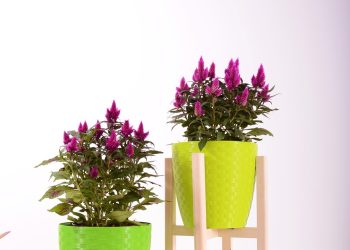
How to Select the Right Plant Pot for Your Indoor Garden
Creating an indoor garden can bring a refreshing slice of nature into your home, transforming it into a vibrant place filled with life and greenery. However, just selecting the plants isn’t enough; choosing the right plant pots is equally crucial. This article will explore key considerations and tips for selecting the ideal pot for your indoor plants, enhancing both the health of your plants and the aesthetics of your space.
Understanding Plant Pot Materials
Clay or Terracotta Pots
Clay or terracotta pots are among the most popular choices due to their porous nature, which allows air and water to circulate through the soil, reducing the risk of soil disease and root rot. These pots are perfect for plants that prefer dry or well-aerated soil. However, they are heavier and more fragile than plastic pots, and they may require more frequent watering due to their breathability.
Plastic Pots
Plastic pots are lightweight, affordable, and retain moisture well, which makes them a good choice for moisture-loving plants. They come in a variety of colors and styles, making it easy to match them with your home decor. The downside is that they are not as breathable as clay pots, which can sometimes lead to waterlogging if not managed properly.
Ceramic Pots
Ceramic pots often come in a wide range of beautiful, painted, or patterned finishes. Like terracotta, they are somewhat breathable, although they often come with a glaze that can reduce the pot’s overall permeability. Ensure that any ceramic pot you choose has drainage holes to prevent water from pooling at the bottom.
Metal Pots
Metal pots can add a sleek, modern touch to your indoor garden. They are durable and long-lasting but can conduct heat, potentially harming roots if placed in direct sunlight. Additionally, metal pots may corrode over time if not properly treated or if exposed to high humidity levels.
Fabric Pots
Fabric pots, a relatively new addition to the gardening scene, offer exceptional breathability and promote healthy root growth by preventing root circling. They are lightweight and great for indoors but need to be placed on a saucer or tray to catch draining water.
Picking the Right Size
The size of the plant pot is directly linked to the growth and health of your plant. A pot too small can restrict root growth and quickly become root-bound, a condition where roots circle the pot and strangle themselves. Conversely, a pot too large for a plant can lead to waterlogging and soil that stays damp too long, which can foster fungal infections.
General Sizing Guidelines
- Small Plants: Such as succulents, can thrive in smaller pots that just accommodate their root ball with a couple of inches to spare.
- Medium Plants: Like peace lilies, usually require a pot about 1-2 inches larger in diameter than their current one.
- Large Plants: Such as fiddle leaf figs or monsteras, need substantial space for root growth and should be planted in pots that are 2-3 inches larger than their current size.
Considerations for Drainage
Effective drainage is perhaps one of the most critical factors in healthy plant growth. Pots with drainage holes allow excess water to escape, which prevents overwatering. If you fall for a pot without drainage holes, consider drilling your own or using it as a decorative pot by placing a smaller, functional pot inside.
Drainage Saucers
Use a saucer beneath pots to catch the excess water that drains out. This prevents damage to floors or furniture and allows plants to reabsorb water when necessary. However, take care not to let the pot sit in standing water, as this can lead to root rot.
Aesthetic Considerations
While functionality is crucial, the look of the pot is also important as it contributes to the overall decor of your space. The color, shape, and design of the pot should complement both the plant and the interior style of your home. There’s a wide variety of textures, colors, and finishes available, so take your time exploring options that reflect your personal style.
Matching Pot Style with Home Decor
- Modern: Look for minimalist designs and neutral colors.
- Bohemian: Choose eclectic patterns and natural materials like wicker or bamboo.
- Traditional: Opt for classic ceramics or sculpted woods.
FAQs on Choosing Indoor Plant Pots
Q: Can I use outdoor pots indoors?
A: Yes, as long as they have good drainage and fit your interior aesthetic, outdoor pots can be used indoors.
Q: How often should I repot my indoor plants?
A: Generally, you should repot your plants every 12 to 18 months, but this can vary depending on the growth rate of the plant.
Q: Are self-watering pots a good choice for indoor plants?
A: Self-watering pots can be great for consistent moisture, especially for thirsty plants or if you travel frequently. However, always monitor the moisture level to ensure it’s suitable for your particular plant.
In conclusion, selecting the right pot for your indoor plants is a balance between functional requirements and personal aesthetic preferences. Considering factors such as material, size, drainage, and design will help ensure that your indoor garden is as healthy as it is beautiful. With these tips, you’re ready to choose the perfect plant pots that will complement both your plants and your home décor.