








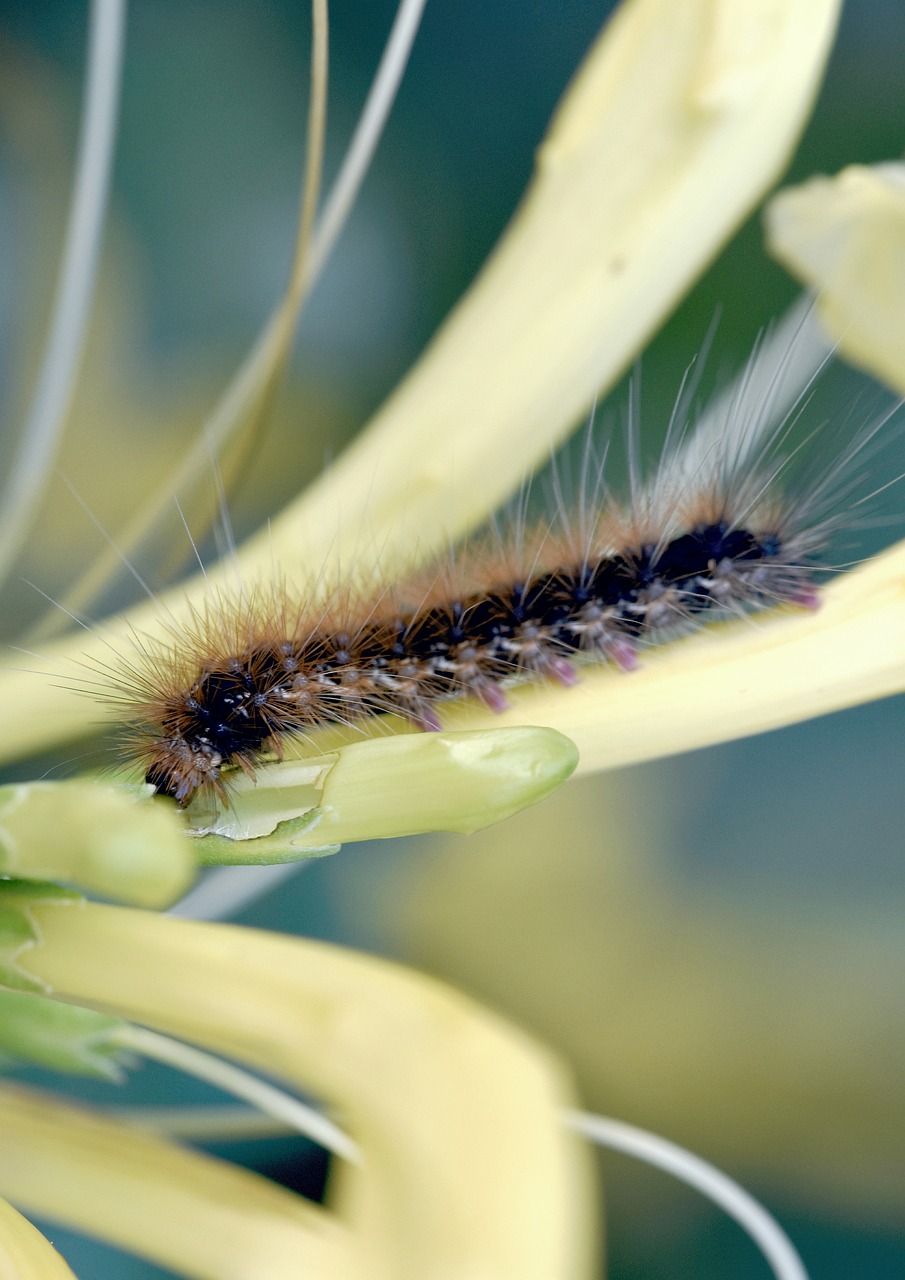
Integrated Strategies for Sustainable Pest Control
In the quest for sustainable agriculture, pest management stands at the forefront of challenges faced by farmers globally. Sustainable pest control is essential as it seeks to minimize the use of chemical pesticides and focus on long-term prevention of pests through a combination of techniques that are environmentally friendly, economically viable, and socially acceptable. The goal is to protect crops while maintaining ecological balance and reducing harm to non-target organisms, including humans.
Understanding Integrated Pest Management (IPM)
Integrated Pest Management (IPM) is a cornerstone strategy in sustainable agriculture. IPM is a holistic approach that integrates various practices to manage pest populations at acceptable levels. These practices may include biological control, use of resistant plant varieties, and adaptation of cultivation techniques that discourage pest development. The essence of IPM is to utilize the least environmentally damaging techniques first, turning to chemicals as a last resort.
Benefits of IPM
- Environmental Protection: Reduces the use of chemical pesticides, minimizing soil and water contamination.
- Economic Efficiency: Optimizes the cost-effectiveness of pest control methods and reduces potential losses to pests.
- Social Acceptability: Promotes safer food production and healthier working conditions for farm workers.
Key Components of an Integrated Pest Control Strategy
Effective integrated pest management systems combine several strategies to achieve sustainable control. Here’s a look at some critical components:
Cultural Control
Cultural control strategies involve modifying the farming environment to make it less attractive to pests. Methods include crop rotation, planting time adjustments, and proper sanitation of the field, like removing crop residues and weeds that can harbor pests.
Mechanical and Physical Controls
This includes using barriers, traps, or other physical means to prevent pests from reaching the plant or to remove them mechanically. For example, floating row covers or reflective mulches can discourage insect arrival.
Biological Control
Leveraging natural predators and parasites can help manage pest populations. Introducing or conserving beneficial organisms, such as ladybugs for aphid control, can be a crucial element in sustainable pest management.
Chemical Control
When necessary, employing pesticides derived from natural sources or synthetics applied with precision and restraint. The aim is always to target the pest only, minimizing exposure to non-target species and preventing the development of resistance.
Selecting the Right Tools and Techniques
Choice of tools and techniques in IPM can vary widely based on the specific pest, crop, and local environmental conditions. It requires thorough monitoring and accurate identification of pest species to deploy the most effective control methods while causing the least harm to the environment.
Implementing IPM in Modern Farming
Adoption of IPM requires awareness and education. Here’s how it can be implemented effectively:
Educational Outreach
Training for farmers and agricultural professionals on IPM principles and practices is vital. This education often includes how to identify pests correctly, use economic thresholds for decision-making, and implement various control strategies cohesively.
Monitoring and Record-Keeping
Regular monitoring of pest and beneficial organism populations in the field is critical. Keeping detailed records helps in understanding the long-term trends and efficacy of different control strategies.
Adaptation and Flexibility
An effective IPM plan is dynamic and adaptable to changing conditions and evolving pest pressures. This flexibility is crucial in maintaining its effectiveness over time.
Challenges and Future Directions
The road to implementing fully integrated pest control systems is not without challenges. Issues such as climate change, resistance development, and the complexities of agricultural ecosystems require ongoing research and adaptation of IPM strategies.
Future directions may include enhanced use of genetic advances, improvement in biological control agents, and greater integration of technology such as AI and machine learning to predict pest outbreaks more accurately.
Conclusion
Integrated strategies for sustainable pest control are vital for the health of our ecosystems and for the viability of global food systems. By understanding and implementing IPM principles, agricultural stakeholders can tackle pests effectively and sustainably, ensuring food security and environmental health.
This HTML article layout provides a structured and reader-friendly format, covering the essentials of sustainable pest control strategies embedded with targeted keywords and valuable information on implementing and understanding IPM and its importance in modern agriculture.






