




Invasion in the Garden: Identifying and Controlling Common Pests
As any seasoned gardener knows, one of the most frustrating challenges is dealing with unwelcome invaders. Common garden pests can wreak havoc on your lovingly cultivated plants, affecting both yield and health. In this detailed guide, we’ll explore effective strategies for identifying and controlling some of the most notorious garden pests, ensuring your green space remains a thriving sanctuary.
Understanding Common Garden Pests
Before diving into control methods, it’s crucial to identify which pests are likely wreaking havoc in your garden. Here are some of the most common culprits:
- Aphids: These small, soft-bodied insects can be green, yellow, red, or black. They typically cluster on the undersides of leaves and suck the sap from plants, causing yellowing and distorted growth.
- Slugs and Snails: These slimy creatures are notorious for eating large holes in leaves, flowers, and even fruit, particularly during wet conditions.
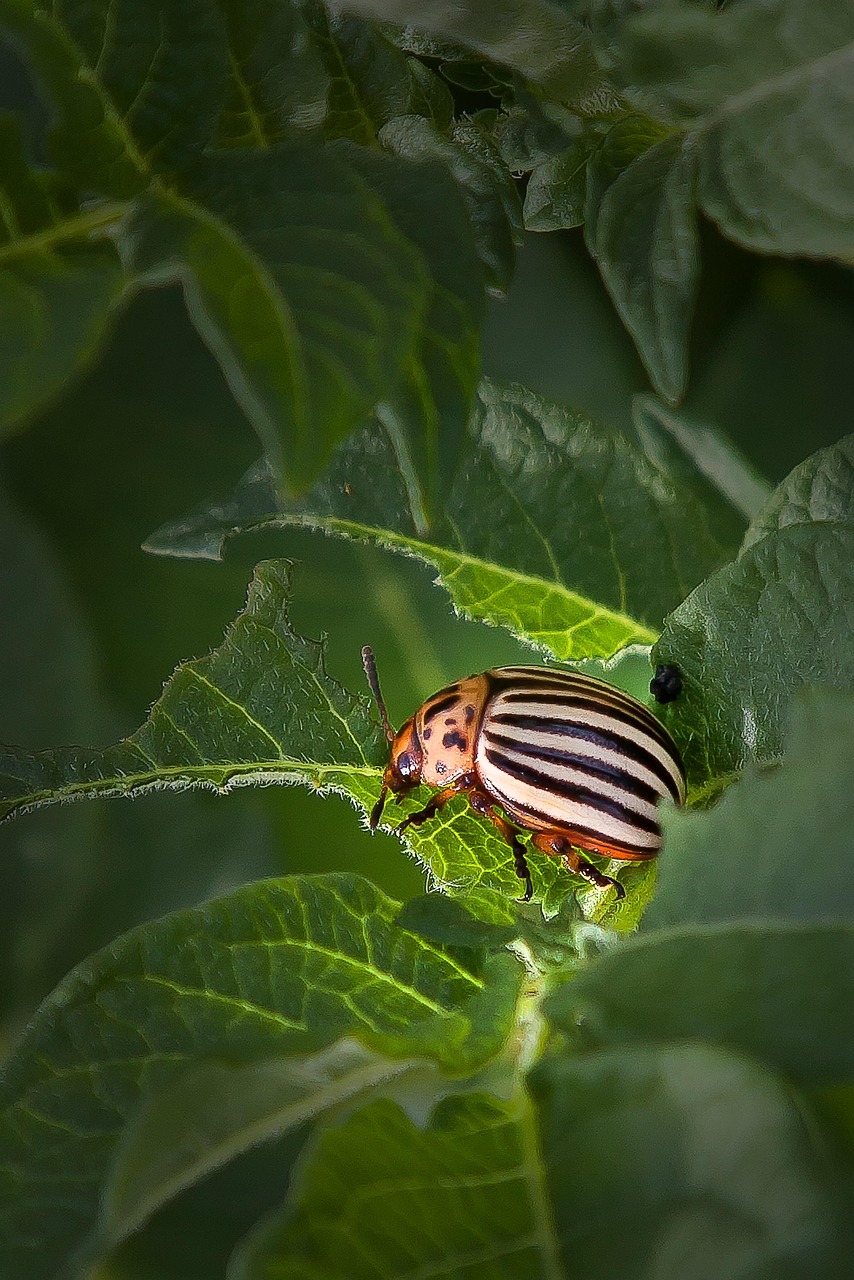
- Japanese Beetles: Recognizable by their metallic blue-green bodies, these beetles chew through leaves and flowers, often leaving behind a skeleton of veins.
- Caterpillars: The larvae of butterflies and moths, these pests can quickly defoliate a plant and are known for their voracious appetite.
- Spider Mites: These tiny pests are difficult to see with the naked eye but can be identified by the fine webs they weave on the undersides of leaves. They cause yellow speckling on leaves as they feed.
Detecting Signs of Pest Infestations
Early detection is key to effective pest control. Here are signs to watch for:
- Unusual Leaf Marks: Holes, spots, or trails on leaves often indicate pest activity.
- Sticky Residue: A glossy or sticky substance on the plant (honeydew), is often a byproduct of aphids.
- Webbing: Fine webs on plants suggest the presence of spider mites.
- Visible Insects: Regularly inspect the undersides of leaves and around the soil for any signs of pest presence.
Integrated Pest Management (IPM)
Integrated Pest Management (IPM) is a sustainable approach to managing pests by combining biological, cultural, physical, and chemical tools in a way that minimizes economic, health, and environmental risks. Here’s how to implement IPM in your garden:
1. Cultural Practices
Maintain plant health through proper watering, fertilization, and pruning, as healthy plants are less vulnerable to pest invasions.
2. Biological Controls
Encourage or introduce natural predators into your garden. Ladybugs and lacewings, for example, are natural predators of aphids.
3. Physical Barriers
Use garden fabric, nets, or collars around plants to physically prevent pests from reaching your plants.
4. Chemical Controls
If necessary, use pesticides, but as a last resort and choose organic options whenever possible for safer pest control.
Eco-Friendly Pest Control Solutions
For those looking for environmentally friendly options, here are several methods to consider:
- Neem Oil: An organic insecticide that disrupts the life cycle of pests without harming beneficial insects when used correctly.
- Insecticidal Soaps: Effective against soft-bodied insects, these soaps can be sprayed directly onto pests without causing harm to plants.
- Diatomaceous Earth: Made from fossilized algae, it acts as a natural abrasive that deters many crawling pests.
Frequently Asked Questions About Garden Pests
How can I prevent pests in my garden?
Prevention is often the best cure. Implement cultural practices that promote strong plant growth, use row covers, and keep your garden clean of debris that might harbor pests.
What are the signs of a pest infestation?
Look for visible damage to the leaves, fruits, and stems, including holes, spots, and yellowing leaves. Also watch for signs of the pests themselves such as webs or the insects.
Are there natural predators I can attract to my garden to help control pests?
Yes, attracting birds, ladybugs, and other beneficial predators can help manage pest populations naturally. Planting native species and providing water sources are great ways to attract these allies.
Conclusion
By understanding the types of pests that invade gardens and implementing strategies from Integrated Pest Management, you can protect your plants and enjoy a healthier garden. Remember, the key to effective pest control lies in early detection, prevention, and choosing the least harmful control methods. With these tips and tricks, your garden will be better equipped to fend off any unwelcome visitors and thrive throughout the season.
Maintaining a balance between being vigilant and fostering a natural ecosystem within your garden is crucial. With consistent care and strategic planning, you can ensure that your garden remains both beautiful and productive.