Mastering the Art of Gardening: Hoes and Rakes Unearthed
Gardening is not just a hobby; it’s an art form. Whether you’re a beginner looking to start your first garden or an experienced green thumb aiming to refine your skills, understanding the tools of the trade is essential. Among the most vital tools in any gardener’s arsenal are hoes and rakes. These tools are pivotal for cultivating the soil, controlling weeds, and preparing seed beds. Here, we will explore the various types of hoes and rakes, their uses, and expert tips to enhance your gardening endeavors.
The Essential Gardening Tools: Hoes
The hoe is one of the oldest gardening tools, essential for weeding and soil care. There are several types of garden hoes, each suited to different tasks:
- Draw Hoe: Used for chopping and moving soil. It’s great for shaping soil into rows for planting.
- Dutch Hoe: Glides just below the soil surface to cut weeds off from their roots. It’s ideal for maintaining large, open areas of soil.
- Stirrup Hoe: Has a double-edged blade that oscillates slightly, allowing for a push-pull action against weeds.
- Warren Hoe: With a pointed, heart-shaped blade, this tool is perfect for creating furrows for planting seeds.
Choosing the right hoe depends on your garden’s needs. For weed control, a Dutch or stirrup hoe might be best. For creating planting trenches, consider a warren hoe. Regular maintenance, including cleaning and sharpening the blade, will keep these tools effective.
Understanding Rakes and Their Roles
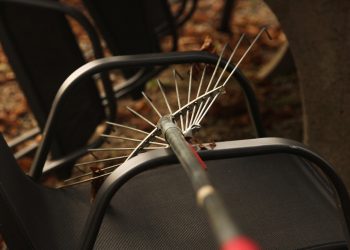
Rakes are just as crucial as hoes for effective gardening. They are primarily used for clearing leaves and debris, spreading mulch or compost, and leveling soil. The most common types of garden rakes include:
- Leaf Rake: Often made of flexible plastic tines, ideal for gathering leaves and other light debris without damaging the lawn or beds.
- Garden Rake (Bow Rake): Has short, stiff tines on a flat head, perfect for breaking up clumps in the soil and leveling earth.
- Landscape Rake: Features a long, flat head used in landscaping for smoothing soil or gravel.
When selecting a rake, consider the size of your garden and the type of material you will be raking. A leaf rake is adequate for small, residential gardens, while a landscape rake could be more beneficial for larger properties.
Techniques to Maximize Efficiency
Knowing when and how to use these tools can significantly increase your gardening efficiency:
- Weeding Technique: Regular use of a hoe to slightly disturb the soil can prevent weed seeds from taking root, thus making weeding less labor-intensive.
- Soil Leveling: Use a garden rake in a push-pull method to level soil and clear rocks and large clumps, creating a perfect seedbed.
- Raking Leaves: Use a leaf rake in a sweeping motion to gather leaves. Periodic raking also helps maintain lawn health by preventing thatch buildup.
Frequently Asked Questions
What’s the best way to maintain garden hoes and rakes?
Keep the tools clean by washing off the soil after each use. Oil the metal parts to prevent rust, and store the tools in a dry place. Sharpening the hoe’s blade at least once a season will ensure it remains effective.
Can these tools be used in all types of soil?
Yes, but some are better suited to certain soil types. For example, a heavy-duty garden hoe is better for breaking up hard, clay soils, whereas a stirrup hoe might be more effective in lighter, sandy soils.
Are there ergonomic options available?
Many manufacturers now offer hoes and rakes with ergonomic handles, which are designed to reduce stress on the back and arms. These are highly recommended for gardeners who spend long hours in their gardens.
Conclusion
Mastering the use of hoes and rakes can greatly enhance your gardening productivity. Each tool has its specialty, and knowing which one to use and how to use it can make a significant difference in your gardening practice. With the right tools and techniques, you can cultivate a thriving garden that will bring beauty and bounty to your home.
Whether you’re refining an existing garden or starting from scratch, remember that each choice you make—from the type of tools you use to the techniques you employ—can contribute to a healthier and more vibrant garden. Embrace the process and enjoy the rewards of your labor under the sun.
By investing time in understanding and mastering these fundamental gardening tools, you’re not only cultivating your garden but also nurturing a rewarding and enriching experience in the great outdoors.