




Natural Pest Remedies: Harnessing the Power of Plants to Protect Your Home
In an era where chemical pesticides dominate the market, more homeowners are turning towards natural pest remedies. These eco-friendly alternatives not only help maintain a safe environment but also harness the intrinsic properties of plants to mitigate pest issues. This comprehensive guide delves into how you can utilize these natural solutions to defend your home effectively against unwanted critters.
Understanding Natural Pest Control
Natural pest control involves methods and products that are derived from natural sources. These strategies tend to be less harmful to humans, pets, and the environment, promoting a balanced ecosystem while still managing pest populations efficiently.
Advantages of Natural Pest Remedies
Opting for natural pest remedies offers several advantages, including safety, environmental preservation, and often, cost-effectiveness. Chemical pesticides often contain toxins that can be harmful to your family’s health and can also lead to long-term ecological damage. Using plants and other natural methods can therefore be seen as a direct contribution to environmental health.
Top Plants Known for Their Pest-Repelling Properties
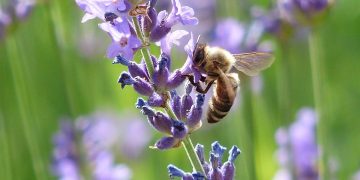
- Lavender – Aside from its soothing aroma, lavender can repel moths, fleas, flies, and mosquitoes.
- Basil – Known for repelling house flies and mosquitoes, basil can be planted in pots around doorways or windows.
- Mint – While it’s fantastic in drinks, mint also repels ants, mosquitoes, and even mice. Be careful as mint spreads aggressively; keeping it in pots will help prevent it from taking over your garden.
- Marigolds – The pungent smell of marigolds repels mosquitoes and aphids. They’re perfect for borders or near vegetable gardens.
- Citronella – Famous for its effectiveness against mosquitoes, citronella is best grown in large planters due to its size.
DIY Natural Pest Repellents
1. Garlic Spray
Crush a few cloves of garlic and mix with water to create a potent spray that can deter a variety of pests. Garlic has a strong scent that is unappealing to most pests.
2. Neem Oil
Extracted from the seeds of the neem tree, neem oil is effective against a wide range of pests including mites, flies, and mosquitoes. It acts as a hormone disruptor to pests without being harmful to wildlife and humans.
3. Essential Oils
Essential oils like peppermint, tea tree, and eucalyptus can be mixed with water and used as a spray to repel pests. Each oil has specific pests it is best at repelling, making them versatile tools in your natural pest control arsenal.
Integrating Plants into Your Pest Management Strategy
To effectively use plants as pest repellents, strategically place them around your home where pests are likely to enter. Windowsills, doorways, and perimeter areas are key spots. Additionally, maintaining these plants so they remain healthy will ensure they continue to emit the repellent properties needed.
Common Questions About Natural Pest Remedies
Do natural pest remedies work as well as chemicals?
While natural remedies are generally less potent than chemical pesticides, they are effective for minor to moderate pest issues and are safer for regular use. For severe infestations, it’s advisable to consult a professional.
Are there any risks associated with natural pest remedies?
Most natural remedies are safe, although individual allergies to plants or essential oils can occur. Always use small amounts initially to test for any adverse reactions.
How often should I apply natural repellents?
Natural repellents typically evaporate or degrade faster than chemical ones and may require more frequent application, especially after rain or heavy watering.
Final Thoughts on Natural Pest Remedies
Embracing natural pest remedies provides a sustainable and safe approach to pest management. By using the repellent properties of plants, you can protect your home efficiently and naturally. Start small, experiment with different plants and natural products, and find what works best for your specific needs. Whether you’re dealing with ants, flies, mosquitoes, or any other pests, there’s likely a natural solution that can help keep your home pest-free while contributing positively to the environment.
Conclusion
By harnessing the power of plants, you can create a more harmonious living space that respects both nature and the health of your family. Explore the potent potential of natural pest remedies today and take a step forward in eco-friendly pest management.