




Organic Pest Control: Sustainable Strategies for a Healthier Garden
Embracing organic pest control methods is essential for maintaining a healthy garden while promoting environmental sustainability. This comprehensive guide provides an insightful look into natural and effective strategies to combat common garden pests without resorting to chemical interventions.
Understanding Organic Pest Control
Organic pest control involves the use of natural substances and biological methods to manage pest issues without harming the environment, beneficial insects, or the health of humans and pets. This approach focuses on maintaining a balanced ecosystem and utilizes a variety of techniques derived from nature.
Benefits of Organic Methods
- Environmental Safety: Organic practices reduce pollution, conserve water, and maintain soil health by avoiding synthetic chemicals.
- Healthier Produce: Crops grown with organic pest control ensure safer, toxin-free produce for consumption.
- Biodiversity: Preserving a wide range of insect life supports natural pest regulation and contributes to the overall health of your garden.
Sustainable Pest Control Techniques
Implementing sustainable strategies not only mitigates pest problems but also fortifies your garden’s resilience against future infestations.
Cultural Practices
Altering the environment to make it less appealing to pests can drastically reduce infestation rates:
- Crop Rotation: Rotating different crops in various seasons can prevent the recurrence of pest populations by disrupting their life cycles.
- Sanitation: Regularly removing debris, fallen leaves, and diseased plants helps minimize the habitats for pests to thrive.
- Timing Plantings: Adjusting planting times can avoid the peak seasons of specific pests, thus reducing damage to crops.
Physical and Mechanical Controls
These controls physically remove or block pests from accessing your plants:
- Barriers and Traps: Using floating row covers, nets, or sticky traps to protect plants from insects safely and effectively.
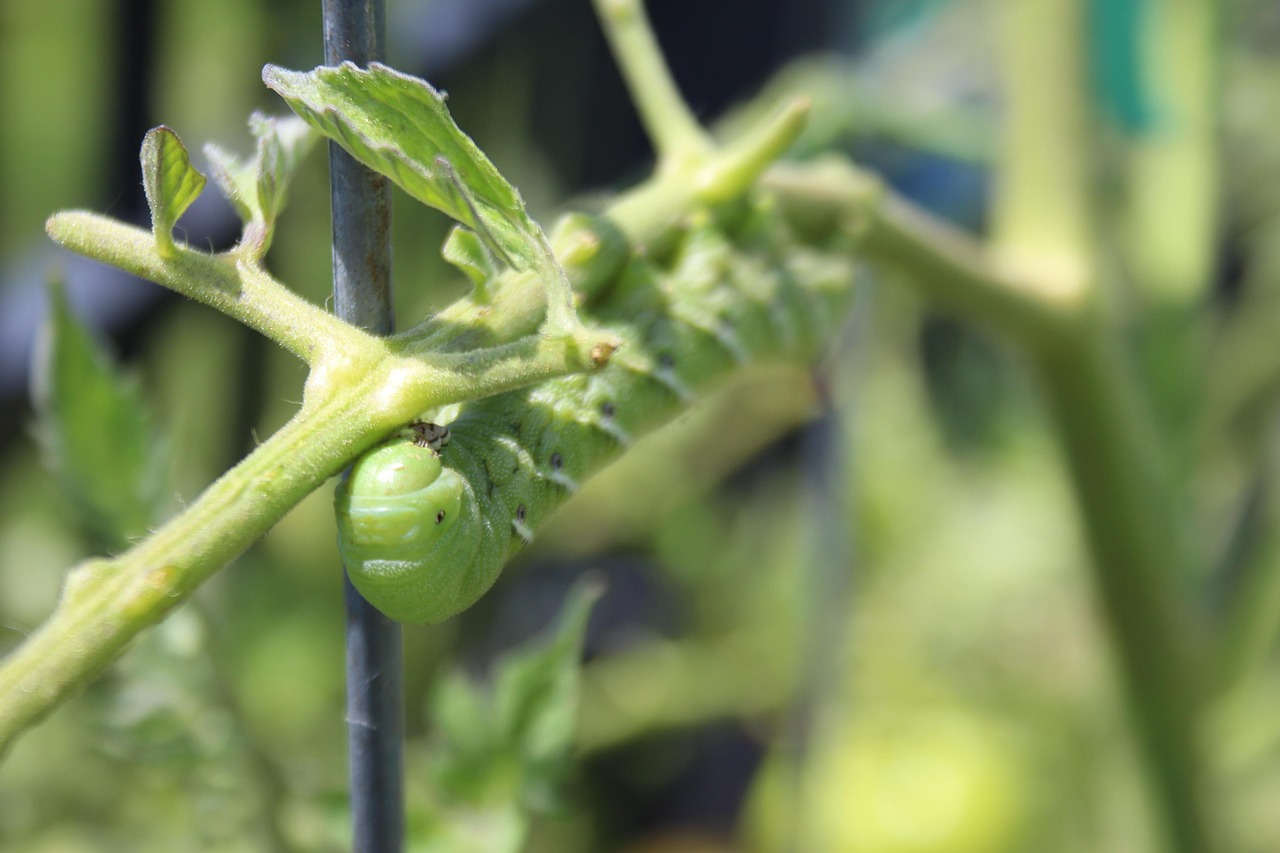
- Manual Removal: Regularly inspecting plants and manually removing pests or infested foliage can control minor infestations.
Biological Controls
Encouraging beneficial insects that prey on harmful pests offers a natural form of pest management:
- Ladybugs: These insects are natural predators to aphids and other harmful pests.
- Nematodes: Soil-dwelling organisms that can control a variety of insect pests, such as grubs and root weevils.
- Companion Planting: Certain plants can repel specific pests when grown next to vulnerable crops (e.g., marigolds repelling nematodes).
Preventive Organic Measures
To minimize future pest problems, preventive measures are crucial. These strategies focus on creating an unfavorable environment for pests:
- Healthy Soil Practices: Enriching soil with organic matter through composting supports robust plant growth and resistance against pests.
- Diverse Planting: Diversity in planting discourages pest dominance and promotes a natural balance within the ecosystem.
- Regular Monitoring: Frequent garden inspections help detect early signs of infestation, allowing for timely and localized treatments.
Common Questions About Organic Pest Control
Are organic pesticides safe?
Organic pesticides are generally safer than chemical ones as they are derived from natural sources and degrade more quickly, minimizing environmental impact. However, they should still be used judiciously and according to safety guidelines.
Can organic pest control completely eliminate pests?
While organic methods may not eradicate all pests, they aim to reduce them to manageable levels and maintain ecological balance in your garden.
How long does it take for organic methods to work?
Organic controls tend to work slower than chemical treatments. Persistence and consistency are key with organic approaches, as they emphasize long-term sustainability over immediate results.
Conclusion
Organic pest control is a practical approach to garden management that supports sustainable agriculture and promotes a healthier environment. By implementing these strategies, gardeners can enjoy bountiful harvests that are both rewarding and environmentally responsible. Remember, achieving an organic garden is a journey that benefits not only the present but also the future.