




Organic Solutions for a Bug-Free Garden
Gardening enthusiasts often face the challenge of protecting their plants from pests without the use of harmful chemicals. Organic gardening practices not only preserve the health of your plants but also protect the environment and your family from toxic substances. In this article, we explore a variety of effective, natural solutions for maintaining a bug-free garden, ensuring that your green space thrives in a safe and sustainable way.
Understanding Garden Pests
Before you can tackle the problem, it’s crucial to identify which pests are common in your garden. Some of the most common garden pests include aphids, beetles, caterpillars, and slugs. Each pest has its preferences and weaknesses, and understanding these can help you choose the most effective treatment options.
Attract Beneficial Insects
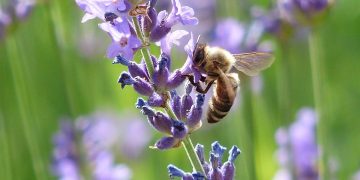
One of the cornerstone principles of organic gardening is encouraging biodiversity. Beneficial insects, such as ladybugs, lacewings, and hoverflies, are natural predators to harmful pests. Attracting these helpful creatures can considerably reduce the pest population in your garden. Planting nectar-rich flowers like marigolds, sunflowers, and daisies can attract these beneficial insects and help maintain a natural balance in your garden ecosystem.
Neem Oil: A Powerful Natural Pesticide
Neem oil, extracted from the seeds of the neem tree, is celebrated for its pest-repellent properties. It works as a broad-spectrum repellent, deterring a wide array of pests such as mites, nematodes, and whiteflies. When applied as a foliar spray, neem oil can also reduce fungal growth. Mixing a few drops of neem oil with water and a mild soap creates an effective and environmentally friendly pest control solution.
Diatomaceous Earth: Non-Toxic Pest Control
Diatomaceous earth (DE) is a powder made from fossilized algae. It contains microscopic sharp edges that can deter and kill insects by damaging their outer shells. DE is particularly effective against soft-bodied pests like slugs and aphids. Sprinkle it around the base of your plants for a chemical-free, physical pest barrier.
Essential Oils: Natural Insect Repellents
Certain essential oils, like peppermint, eucalyptus, and lavender, are known for their insect-repelling properties. These can be diluted with water and sprayed directly onto plant foliage to discourage pests. Additionally, the pleasant aroma of these oils can enhance the sensory appeal of your garden.
Homemade Insecticidal Soap
Mixing a simple solution of water, natural soap, and vegetable oil can create an effective spray that suffocates soft-bodied pests like aphids and spider mites. The soap disrupts the pests’ cellular membranes, and the oil coats them, hindering their movement and breathing.
Cultural Practices: Prevention is Better Than Cure
Implementing smart gardening practices can preemptively reduce pest problems. Rotating crops yearly can help to prevent soil-borne diseases and disrupt the life cycle of pests. Proper watering and fertilizing encourage healthy plant growth, making them less susceptible to attacks. Additionally, removing diseased or infested plants promptly can prevent pests from spreading to healthy plants.
Companion Planting for Natural Pest Control
Companion planting is a technique that involves growing certain plants together to benefit each other. For example, herbs like basil and garlic can repel pests with their strong scents, while tall plants provide shade for sun-sensitive smaller plants. Utilizing companion planting not only optimizes space but also enhances the overall stability and bioactivity of your garden ecosystem.
Using Physical Barriers
Physical barriers, such as netting or row covers, can provide effective protection from pests. These barriers prevent pests from reaching the plants while still allowing light and water to penetrate. Such methods are particularly effective against flying insects and birds, which might otherwise feast upon fruits and vegetables.
Frequently Asked Questions
How often should I apply natural pesticides?
Frequency depends on the product and the severity of the infestation. Generally, treatments like neem oil or insecticidal soaps should be applied approximately once a week and after any heavy rain. However, always refer to the specific instructions on individual natural products for best results.
Are these organic solutions safe for all plants?
Most organic products are safe for plants. However, sensitivity can vary. It is advisable to test a small area of each plant before applying any treatment extensively.
Can I use these methods for any type of garden?
Absolutely! These organic solutions can be tailored to fit gardens of any size and type, from vegetable plots to ornamental flower gardens.
By incorporating these organic strategies into your gardening practices, you can enjoy a lush, productive, and pest-free garden. Remember, the key to success lies in persistence, observation, and a little creativity in your approach to plant care.