Photosynthesis and Growth: Understanding Plant Light Requirements
Introduction to Photosynthesis
Photosynthesis is the fundamental process that drives growth in plants. It’s a remarkable biochemical process where plants convert light energy, usually from the sun, into chemical energy stored as glucose. This process not only sustains the plant but also supports the life on Earth by producing oxygen and food. Understanding the light requirements for photosynthesis is crucial for horticulturists, agriculturists, and anyone interested in plant care or gardening.
The Basics of Photosynthesis
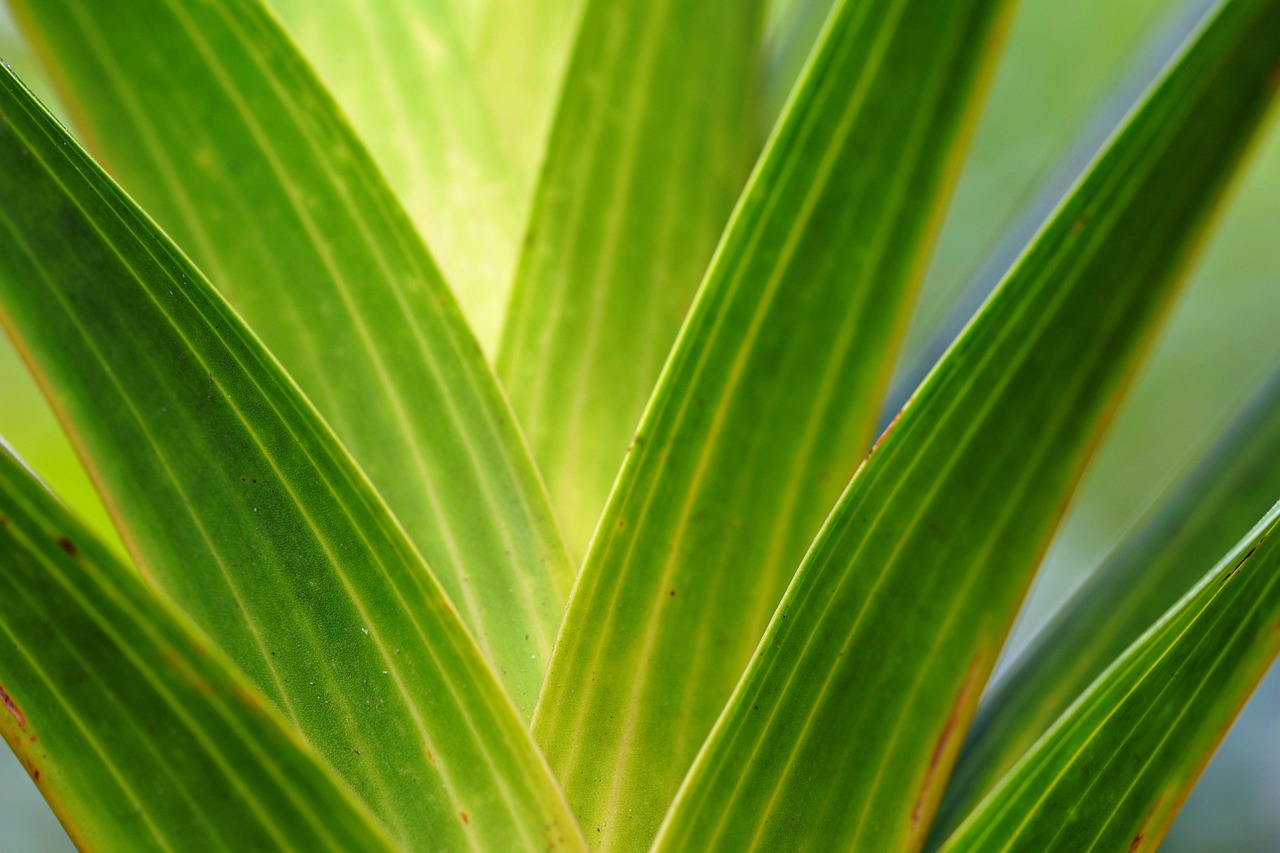
Photosynthesis occurs mainly in the leaves of plants, where specialized cells contain chloroplasts. These chloroplasts house chlorophyll, the green pigment essential for capturing light energy. The photosynthetic process can be summarized by the equation:
[ text{6 CO}_2 + text{6 H}_2text{O} + text{light energy} rightarrow text{C}_6text{H}_12text{O}_6 + text{6 O}_2 ]
This equation highlights how carbon dioxide and water, in the presence of light, are transformed into glucose and oxygen.
Light Spectrum and Photosynthesis
Not all light is equally effective in promoting photosynthesis. The light spectrum, which includes various colors, is crucial in understanding light requirements. Plants predominantly use red and blue wavelengths. Red light is most effective in driving the photosynthesis process, while blue light promotes vegetative growth and leaf development.
Optimal Light Conditions for Plant Growth
The optimal light conditions vary widely among different plant species. Factors such as intensity, duration, and the quality of light all play pivotal roles.
Light Intensity
Light intensity affects the rate of photosynthesis. Generally, more light means a higher rate of photosynthesis, up to a point where the light saturation point is reached. Beyond this point, plants can suffer from light stress or photoinhibition.
Photoperiodism
Photoperiodism is the response of a plant to the length of day or night. It plays a crucial role in flowering and seed germination. Short-day plants require longer nights to flower, whereas long-day plants flower when nights are short.
Light Quality
The quality of light, concerning its wavelength, also affects plant growth. Grow lights, which can mimic sunlight by providing a balanced spectrum, are particularly useful in indoor gardening and professional greenhouses.
Photosynthesis and Garden Management
For gardeners and farmers, managing light exposure can significantly impact plant health and yield. This section will explore practical applications and strategies to optimize light exposure for different plant species.
Outdoor Gardening
Proper plant placement is key. Sun-loving plants should not be shaded by larger plants or structures. For partial-shade plants, utilizing natural shade from trees or buildings can provide the ideal conditions.
Indoor and Greenhouse Gardening
Using artificial lighting wisely is crucial. LED grow lights have become popular due to their efficiency and ability to provide a balanced light spectrum. These lights can be adjusted according to the plant’s phase of growth – more blue light for vegetative phases and more red light for flowering phases.
Common Questions About Plant Light Requirements
Q1: How do I know if my plant is getting enough light?
A: Signs that your plants may not be receiving enough light include slow growth, pale leaves, and legginess. A light meter can help provide a more precise measurement.
Q2: Can plants have too much light?
A: Yes, too much light can lead to bleaching and leaf burn. It’s crucial to understand the light intensity suitable for each plant species.
Q3: How do I choose the right grow light?
A: Select a grow light that matches your plant’s light spectrum requirements and ensure it covers the entire growth area. LED lights are preferable for their longevity and energy efficiency.
Q4: Is natural light always better than artificial light?
A: While natural light is generally preferable, modern grow lights can provide specific wavelengths needed for optimal plant growth, making them a good alternative, especially in low-light environments.
Conclusion
Understanding and managing light requirements for photosynthesis is essential for healthy plant growth whether in natural or artificial environments. By employing the right strategies for light management, gardeners can enhance plant health, optimize yields, and ensure the sustainability of their agricultural practices.
Educating oneself about the specific light needs of each plant type, along with vigilant monitoring and adjustments, will lead to successful plant growth and robust gardening or farming outcomes.