




The Importance of Planting Native Species
In an era where ecosystem balance is under threat, planting native species has emerged as a crucial strategy for environmental conservation efforts. From supporting local wildlife to conserving water, the benefits of native plant gardening are vast and vital. This article delves into why planting native species is essential, addressing common questions and providing practical advice for incorporating native plants into your landscape.
What are Native Species?
Native species are plants and animals that have evolved in a specific region over thousands or even millions of years. They are well-adapted to the local climate, soil, and other environmental conditions. In the context of gardening and landscaping, native plants offer a harmonious aesthetic, reduce maintenance, and provide essential habitats for local wildlife.
Benefits of Planting Native Species
The advantages of incorporating native plants into your garden are extensive:
- Environmental Sustainability: Native plants require less water and fewer chemicals to thrive, reducing the ecological footprint of your garden.
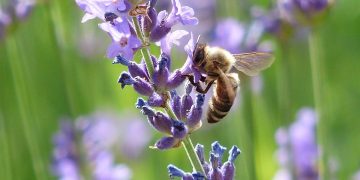
- Support for Local Wildlife: Native plants provide food and shelter for local wildlife, including birds, bees, butterflies, and other beneficial insects, enhancing biodiversity.
- Reduced Maintenance: Adapted to local conditions, native plants generally require less upkeep than their non-native counterparts in terms of watering, fertilizing, and pest control.
- Soil and Water Conservation: Deep-rooted native plants help in stabilizing soil and managing rainwater runoff, preventing erosion and water pollution.
Choosing the Right Native Plants for Your Garden
Selecting the right plants for your garden can be daunting. Consider the following steps to ensure you choose the best natives for your area:
- Know Your Region: Understand the specific environmental conditions of your area, such as climate, soil type, and sun exposure.
- Research Local Species: Visit local nurseries, or better yet, native plant societies and botanical gardens for expert advice on which species thrive locally.
- Plan for Wildlife: If attracting wildlife is a goal, select plants known for supporting local birds and insects.
Planting and Caring for Native Plants
Once you have selected your native plants, planting and care are the next steps. Here are some tips:
- Planting Time: Ideally, native plants should be planted during their dormant season which is typically in late fall or early spring. This timing helps roots establish in the environment with minimal stress.
- Soil Preparation: While native plants are not picky about soil, it’s beneficial to start with a clean slate by removing weeds and amending soil only if it is extremely poor.
- Watering: Initially, water the plants regularly to help establish roots. Once established, native plants often require minimal water beyond natural rainfall.
- Pruning and Maintenance: Minimal pruning is needed as native plants grow to a natural shape that typically requires less intervention.
Common Questions About Planting Native Species
Are native plants less attractive than exotic ones?
Not at all! Native plants offer a variety of colors, textures, and shapes that can complement any garden design. Many natives are used for their spectacular displays of flowers and foliage.
Can I mix native and non-native plants?
Yes, you can mix them, but with careful consideration. Ensure that non-native plants are not invasive and that they won’t outcompete your native selections.
How do I find native plants in my area?
Contact local nurseries, or gardens that specialize in native plants. Online resources and local botanical gardens can also provide valuable information.
Final Thoughts on Planting Native Species
Planting native species is more than just a gardening trend; it’s a beneficial practice that supports the local ecosystem and promotes biodiversity. By choosing natives, you’re not only crafting a beautiful garden but also contributing towards a more sustainable and resilient environment. Whether you’re a seasoned gardener or a beginner, the inclusion of native plants will set a foundation for a thriving, lively, and environmentally friendly landscape.
Embrace the natural beauty and ecological benefits of native plants in your gardening practices today!