




Gardener burnout is a familiar story. It begins with the crisp, hopeful energy of spring—seed catalogs spread across the table, graph paper sketches of perfect garden beds, and visions of a bountiful summer harvest. But then reality sets in. A relentless parade of aphids descends on the kale. A sudden drought turns the lawn crunchy and withers the tomatoes. The weeds, somehow, seem to grow with a vigor your chosen plants can only dream of. This is the point where discouragement takes root, and the temptation to either give up or resort to the ‘easy’ fix of chemical warfare becomes overwhelming.
This feeling of failure is a common narrative, but it doesn’t have to be the ending. This guide offers a new perspective. We will reframe ‘failure’ as essential ‘feedback’. This is not a manual of quick fixes, but a deep dive into mastering a patient, observational mindset. By pairing this mental resilience with powerful ecological strategies, you can build a garden that not only survives but thrives—becoming stronger, more resilient, and easier to manage with each passing season.
Join us on a journey that will transform your approach to gardening. We will move from shifting your mindset to mastering the core ecological pillars of soil, water, and biodiversity. We will tackle common frustrations with intelligent, nature-based solutions, explore advanced techniques for a truly low-input system, and ultimately, understand the profound impact your persistent effort has on the world around you.
The foundational mindset: shifting from ‘failure’ to ‘feedback’

The deep discouragement that follows a gardening setback often stems from a hidden desire for perfection. We see images of flawless vegetables and immaculate flower beds and believe that is the standard. When our reality doesn’t match the ideal, we interpret it as a personal failing. The key to sustainable persistence is to dismantle this pressure by reframing the garden’s purpose: it is not a static masterpiece but a living laboratory. Every pest that arrives, every plant that struggles, and every weed that sprouts is simply a data point, offering valuable information about the unique conditions of your ecosystem.
To cultivate this mindset, integrate these actionable strategies into your routine:
- The 5-minute observation: Commit to spending five minutes in your garden each day doing nothing. Do not pull a weed, do not water, do not harvest. Simply watch. Observe which insects visit which flowers. Notice where the sunlight falls at different times. See which plants are thriving and which are struggling. This practice builds a deep, intuitive understanding of your garden’s natural patterns, turning you from a manager into a partner.
- The ‘one-season-at-a-time’ focus: Overwhelm is the enemy of persistence. Instead of planning a five-year garden dynasty, set small, achievable goals for the current season. Perhaps this year’s goal is simply to establish a healthy compost system or to successfully grow enough basil for pesto. Small wins build the momentum needed for long-term engagement.
- Keep a simple garden journal: Documenting your journey transforms abstract feelings of failure into concrete, actionable lessons. A simple notebook is sufficient. Note what you planted and where. Record your observations from your 5-minute walks. When a crop fails, write down the conditions: Was it a particularly wet month? Did you notice pests early on? This log becomes an invaluable, personalized textbook for future seasons, ensuring that every challenge leads to adaptation and growth.
By adopting this framework, you directly address the psychological challenge of burnout. You develop the mental resilience to not just apply solutions, but to thoughtfully diagnose the problems and appreciate the process of discovery.
The pillars of resilience: mastering soil, water, and biodiversity
Persistence is most effective when it is applied to the foundational systems that support all life in the garden. Proactive, consistent effort in these three core areas—soil, water, and biodiversity—is what prevents the majority of future ‘failures’ and builds a truly self-sustaining ecosystem.
Building living soil: the foundation of everything

Gardeners are often told to “add compost,” but it is crucial to understand the profound reason why this is so effective. Healthy soil is not inert dirt; it is a teeming, subterranean metropolis. Billions of bacteria, fungi, protozoa, and other organisms form a complex soil food web. This microbiome actively works to break down organic matter, deliver nutrients to plant roots in a bioavailable form, and even form symbiotic relationships that protect plants from pathogens. When you build soil, you are cultivating a living ecosystem that becomes your greatest ally.
Key practices for building living soil include:
- Composting: Creating and applying your own compost inoculates your garden with beneficial microbial life and adds rich, stable organic matter.
- Sheet mulching: Applying layers of organic material (like cardboard, leaves, and wood chips) directly on top of the soil smothers weeds, dramatically reduces water evaporation, and slowly breaks down to feed the soil microbiome.
- Cover cropping: Planting specific crops like clover or vetch during the off-season protects the soil from erosion, fixes atmospheric nitrogen, and adds organic matter when it’s turned back into the bed.
These practices are central to the philosophy of regenerative agriculture, which seeks not just to sustain resources, but to actively improve them. As explained by leaders in the field, the core principles of regenerative agriculture are to build a richer, more resilient soil base with every passing year.
Conserving water: working with nature, not against it
Water is a precious resource, and a resilient garden is one that uses it wisely. The goal is to create a landscape that can better withstand periods of drought and reduce your reliance on irrigation. This is achieved by working with nature’s patterns, not by simply turning on a sprinkler.
- Group plants by water needs (hydrozoning): Place thirsty plants like tomatoes and cucumbers together, and group drought-tolerant herbs like rosemary and lavender in a separate, less-irrigated zone.
- Increase soil water retention: The single best way to conserve water is to improve your soil. Soil rich in organic matter acts like a sponge, absorbing water during rains and holding it for plants to access later. Mulching is also critical, as it can reduce evaporation from the soil surface by up to 70%.
- Embrace xeriscaping principles: Even in non-desert climates, the principles of xeriscaping are valuable. Prioritize native, drought-tolerant plants that are naturally adapted to your region’s rainfall patterns.
- Harvest rainwater: A simple rain barrel connected to a downspout can capture hundreds of gallons of free, naturally soft water that is ideal for plants.
Fostering biodiversity: your garden’s immune system
A field containing a single crop is a fragile system, vulnerable to being wiped out by a single pest or disease. In contrast, a diverse garden filled with a wide variety of plants is a complex, robust ecosystem with its own checks and balances. Biodiversity is your garden’s natural immune system.
- Practice companion planting: Move beyond simple charts and understand companion planting as a strategy. Interplanting aromatic herbs can confuse pests searching for their target crop. Planting tall sunflowers can provide shade for sun-sensitive greens.
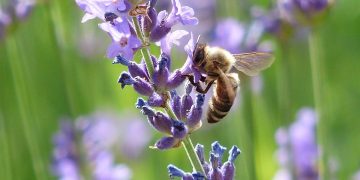
- Attract beneficial insects: Plant a wide array of native flowers and herbs, especially those with small blossoms like dill, fennel, and yarrow. These provide nectar and pollen that sustain a standing army of predatory insects—ladybugs, lacewings, and hoverflies—that will be your primary pest control team. A garden humming with pollinators and predators is a sign of a healthy, balanced system.
Overcoming common frustrations with ecological solutions

Applying the ‘failure as feedback’ mindset transforms problems from frustrating setbacks into opportunities for intelligent intervention. When a challenge arises, the persistent gardener’s first step is to observe and ask, \”What is the garden telling me?\”
Feedback from pests: moving beyond chemical warfare
The arrival of pests is not a declaration of war; it is feedback that the garden’s ecosystem is out of balance. The goal of a resilient gardener is not to annihilate every insect, but to foster a system where pest populations are kept in check by natural predators and healthy, resistant plants. This approach is formalized in a framework known as Integrated Pest Management (IPM).
IPM is a thinking process that prioritizes the least harmful solution first. When you see aphids on a plant, you move through a hierarchy of responses:
- Observation: How many are there? Are there any predators (like ladybug larvae) already present? Is the plant overly stressed from lack of water or nutrients?
- Physical Controls: Can the pests be knocked off with a strong jet of water? Can the plant be protected with a physical barrier like a floating row cover?
- Biological Controls: Can you introduce or attract more natural predators?
- Least-Toxic Chemical Controls: Only as a last resort, use a targeted, organic spray like insecticidal soap that has minimal impact on beneficial insects.
This thoughtful progression stands in stark contrast to the reactive use of broad-spectrum pesticides, which kill indiscriminately and further unbalance the ecosystem. For those wishing to learn more, the Oregon State University Extension offers excellent Integrated Pest Management resources.
| Problem: Aphids on Kale | Conventional Response | Ecological Response |
|---|---|---|
| Philosophy | React and Eradicate | Observe and Balance |
| First Action | Spray a broad-spectrum pesticide. | Observe pest and predator levels. Check for plant stress. |
| Second Action | Re-spray if pests return. | Dislodge pests with a jet of water. Plant alyssum nearby to attract hoverflies. |
| Last Resort | Use a stronger chemical. | Apply a targeted spray of insecticidal soap directly on aphids in the evening. |
| Long-Term Outcome | Kills beneficial insects, leading to recurring pest outbreaks. Degrades soil health. | Builds a population of resident predators. Improves plant and soil health. |
Feedback from weeds: understanding what your soil is telling you
Weeds are not a sign of moral failure; they are highly effective ecological indicators. Many weeds thrive in specific conditions, and their presence provides valuable clues about the state of your soil. Dandelions, for instance, often have a deep taproot that is excellent at breaking up heavy, compacted soil. Their presence is feedback that your soil may be lacking aeration and structure.
The resilient response to weeds is not endless, back-breaking pulling. The focus is on long-term prevention by changing the soil conditions.
- Focus on smothering, not tilling: While tilling can eliminate existing weeds, it also damages soil structure and brings thousands of dormant weed seeds to the surface, creating a bigger problem for the future.
- Embrace mulch: A thick layer of wood chips, straw, or leaves on the soil surface is the single most effective long-term weed management strategy. It blocks sunlight from reaching weed seeds and creates an environment where desirable plants can outcompete them.
Advanced techniques for the persistent gardener: building a low-input, high-reward system
The ultimate reward for your persistence is the creation of a garden that requires progressively less work. These advanced techniques require more effort upfront but pay dividends for years to come, directly combating the feeling of gardening as an endless chore. They are the embodiment of working smarter, not harder.
No-till gardening: let the soil ecosystem do the work
No-till gardening is a revolutionary approach that seeks to disturb the soil as little as possible. By ceasing tilling, you protect the delicate soil structure and the intricate fungal networks (mycorrhizae) that are essential for nutrient transport. The result is vastly improved soil health, superior water retention, and dramatic weed suppression. The first year of transitioning a bed requires patience, but the subsequent years are a revelation in reduced labor.
A simple way to start a no-till bed is through sheet mulching:
- Mow or cut the existing grass or weeds as low as possible.
- Lay down a layer of cardboard directly on the ground, overlapping the edges to block all light. This smothers the existing vegetation.
- Water the cardboard to help it break down.
- Add a 3-4 inch layer of compost on top of the cardboard.
- Top the entire bed with a 4-6 inch layer of mulch, such as wood chips or straw.
- You can plant larger transplants directly into this bed by cutting a hole in the cardboard and adding extra compost. Over a season, the cardboard will decompose, and you will be left with a rich, weed-free, and living soil bed.
Hügelkultur: creating self-fertilizing, water-retentive garden beds

Hügelkultur (German for “hill culture”) is the practice of building garden beds on top of buried logs and other woody debris. It is an ideal project for the ambitious gardener looking to solve problems of poor soil quality and drought in one elegant solution.
As the buried wood slowly decays over many years, it transforms into a spongy, porous material. This “sponge” soaks up water during wet periods and slowly releases it back to the plant roots during dry spells, creating an incredibly water-retentive system. Simultaneously, the decomposition process releases a steady, slow stream of nutrients, effectively creating a self-fertilizing bed. A Hügelkultur bed becomes more fertile and water-efficient as it ages, representing the ultimate investment in a resilient, low-input garden.
Your garden’s impact: how persistence cultivates community and environmental health
The benefits of your persistent effort ripple far beyond your own fence. A sustainable, resilient garden becomes a node of positive change within your community and the broader ecosystem. By nurturing this small patch of land, you contribute to:
- Local biodiversity: Your diverse plantings provide crucial food and habitat for pollinators, birds, and other wildlife, creating a vital refuge in an often-fragmented suburban or urban landscape.
- Environmental health: By eliminating synthetic pesticides and fertilizers, you protect local waterways from chemical runoff. By conserving water and composting kitchen scraps, you reduce your household’s environmental footprint.
- Community resilience: The simple act of sharing a surplus harvest with a neighbor, swapping seeds with a friend, or exchanging knowledge about what works in your local climate strengthens social bonds and builds collective food security.
Your garden is a powerful statement that individual action matters. As outlined in this comprehensive guide to sustainable gardening from the University of California, these personal practices are fundamental to creating healthier communities and a more stable climate.
Key takeaways for the persistent gardener
- Mindset is Everything: Shift your perspective from seeing ‘failures’ to gathering ‘feedback’. Your garden is an experiment, not a performance.
- Build from the Ground Up: True resilience comes from proactively investing in soil health, water conservation, and biodiversity.
- Respond, Don’t React: Use frameworks like Integrated Pest Management (IPM) to make thoughtful, ecosystem-first decisions when problems arise.
- Invest in Low-Work Systems: Advanced techniques like no-till and Hügelkultur are the reward for persistence, creating gardens that become more self-sufficient over time.
Frequently asked questions about sustainable gardening
How do you deal with garden failure?
You deal with garden failure by reframing it as feedback. Instead of seeing a dead plant as a loss, analyze why it failed (e.g., too much water, not enough sun, pest issue) and use that information to make a better decision next season. Keeping a simple journal of these observations is a powerful tool for turning failures into lessons.
What are the biggest challenges in gardening?
The biggest challenges are typically pests, diseases, weeds, and environmental factors like drought or poor soil. However, the underlying challenge for many is psychological: overcoming the discouragement and burnout that these problems can cause through patient observation and a focus on long-term ecosystem health.
What are the disadvantages of sustainable gardening?
The main disadvantage is that it can require more knowledge and patience upfront than conventional methods. Building healthy soil or establishing a balanced ecosystem takes time, which can feel slow compared to the instant (but often temporary and damaging) results of synthetic fertilizers and pesticides.
How can I make my garden more sustainable?
You can make my garden more sustainable by focusing on four key areas: 1) composting to create your own fertilizer and build soil life, 2) mulching to retain water and suppress weeds, 3) choosing native and drought-tolerant plants adapted to your climate, and 4) avoiding all synthetic pesticides and fertilizers to protect pollinators and the soil food web.
Your garden’s greatest resource is you
Persistence, when channeled into patient observation and ecological strategy, is the most critical input for a thriving, resilient, and enjoyable garden. The goal is not to create a static, problem-free paradise. The true reward is participating in a dynamic and endlessly fascinating ecosystem that you co-create with nature. Your continued presence, your willingness to learn from feedback, and your commitment to working with natural systems is what will ultimately cultivate a garden that is productive, beautiful, and deeply rewarding.
Jane Doe is a master gardener with 15 years of experience in regenerative agricultural techniques and community-based food systems.
For more expert insights on building a resilient garden and food systems, subscribe to the green thumb chronicles newsletter.