




Reviving Our Green Allies: Strategies for Enhancing Plant Health and Ecosystem Stability
In the wake of increasing environmental challenges, the health of our plant life and the stability of ecosystems have become paramount concerns. As green allies, plants play a critical role in maintaining ecological balance, supporting biodiversity, and providing sustenance and oxygen. This article delves into effective strategies for enhancing plant health and ensuring ecosystem stability, addressing common concerns and offering valuable insights for both enthusiasts and professionals in the field of botany and environmental science.
Understanding the Importance of Plant Health
Healthy plants are foundational to robust ecosystems. They perform photosynthesis, converting sunlight into energy while producing oxygen as a byproduct, which is vital for life on Earth. Moreover, plants contribute to the carbon cycle, help regulate the climate, and provide habitat and food for myriad wildlife species. Recognizing the multidimensional role of plants is the first step in prioritizing their health.
Common Threats to Plant Health
Several factors jeopardize plant health and, by extension, ecosystem balance. These include:
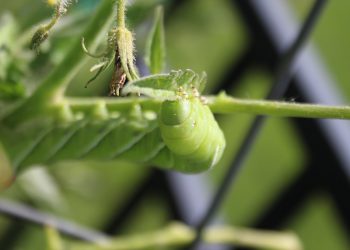
- Pest Infestations: Insects and microorganisms can damage plants, affecting their growth and survival.
- Diseases: Fungal, bacterial, and viral pathogens can lead to plant illnesses, often decimating vegetation cover.
- Climate Change: Extreme weather conditions such as droughts, floods, and increased temperatures can stress plant communities.
- Pollution: Chemical pollutants in the air, soil, and water can hinder plant development and soil fertility.
- Invasive Species: Non-native species can outcompete indigenous plants for resources, disrupting local ecosystems.
To combat these threats, adopting targeted strategies is crucial for nurturing plant health and promoting ecological resilience.
Strategies for Enhancing Plant Health
Focusing on sustainable and effective methods, the following strategies provide a roadmap for improving plant vitality and ecosystem health:
1. Integrated Pest Management (IPM)
IPM is a holistic approach that combines biological, cultural, physical, and chemical tools to manage pests in an environmentally and economically sustainable way. By assessing the level of pest risk and employing diverse control strategies, IPM minimizes the use of harmful pesticides and reduces plant stress.
2. Plant Disease Management
To protect plants from diseases, regular monitoring and early detection are essential. Using resistant plant varieties and employing crop rotation can naturally reduce disease prevalence. Furthermore, proper sanitation and the use of organic fungicides and bactericides can help maintain healthy plant populations.
3. Adapting to Climate Change
Enhancing plant resilience to climate change involves selecting species and varieties that can withstand fluctuating conditions. Implementing water-conserving practices (such as drip irrigation and mulching) and optimizing planting and harvesting times can significantly boost plant health in the face of climate adversity.
4. Reducing Pollution Impact
Minimizing exposure to pollutants involves using clean water sources, reducing runoff, and adopting green agricultural practices that decrease chemical usage. Additionally, planting buffer strips or green belts can help filter pollutants before they reach critical areas.
5. Managing Invasive Species
Controlling invasive species requires coordinated efforts including physical removal, biological control agents, and public awareness campaigns. Regular monitoring and quick responses are key to preventing invasive species from overwhelming native plant populations.
Monitoring and Research for Ecosystem Stability
Continuous monitoring and research are vital for understanding ecosystem dynamics and adapting conservation efforts accordingly. Technologies like remote sensing, GIS (Geographic Information Systems), and drone surveillance enhance our ability to track plant health and ecosystem changes over large areas and time periods.
Moreover, fostering collaboration among botanists, ecologists, government agencies, and the community can lead to more effective strategies for plant conservation and ecosystem management.
Conclusion
Reviving and sustaining the health of our green allies is not just about preserving the natural beauty of our planet but ensuring the survival and well-being of future generations. Through the integrated and strategic approaches outlined, we can foster healthier plants and more stable ecosystems, ultimately contributing to a more resilient natural world. As we continue advancing our understanding and technologies, the concerted efforts of individuals and communities around the globe will remain crucial in this endeavor.
Embracing these strategies will pave the way for revitalized ecosystems that are capable of withstanding contemporary environmental challenges, ensuring that our green allies thrive for years to come.