





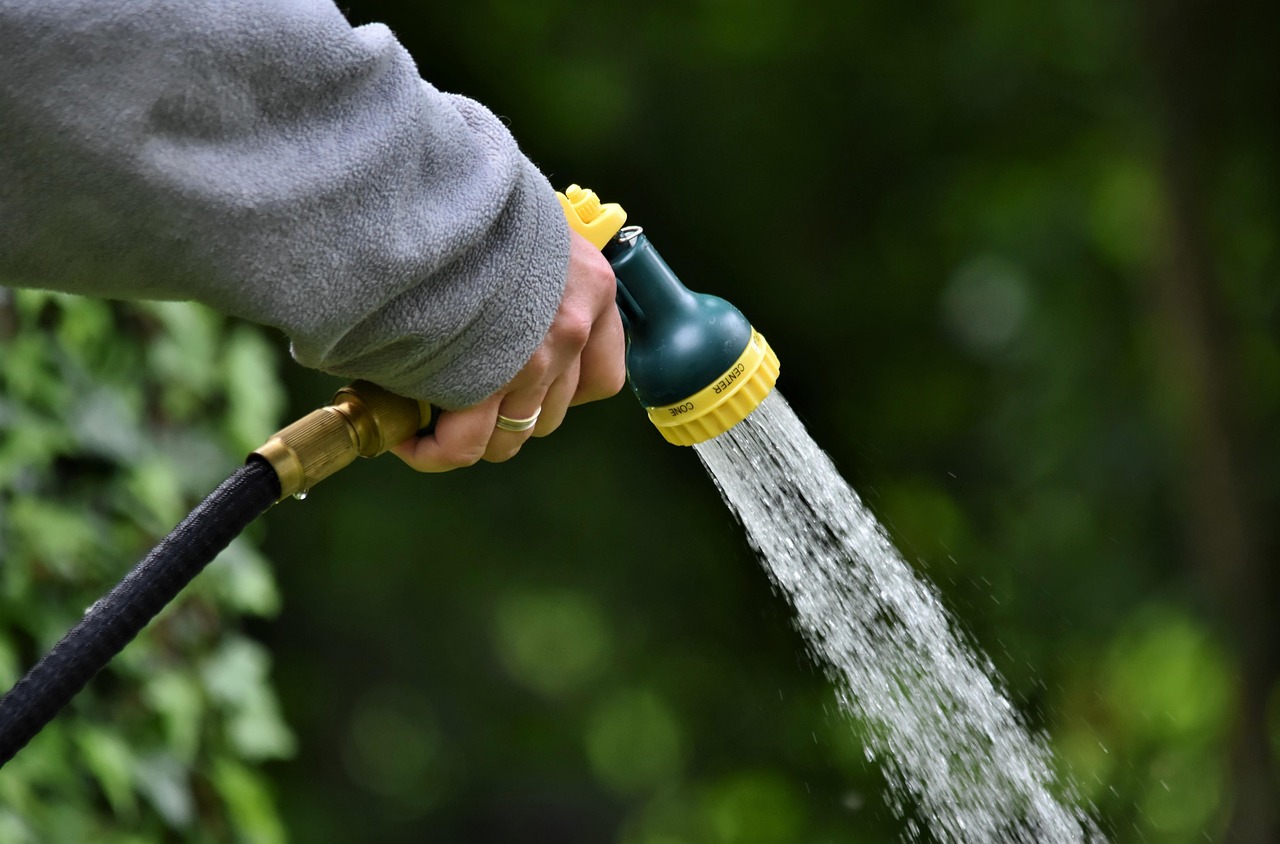
Revolutionizing Gardening: The Evolution of the Modern Watering Can
Gardening is not just a hobby; it’s an art form that provides relaxation, satisfaction, and aesthetic pleasure. Central to this age-old activity is one crucial tool: the watering can. Over the years, the watering can has undergone significant modifications, evolving to meet modern demands and integrate with the latest garden technologies. In this article, we explore how the watering can has transformed, improving functionality for garden enthusiasts and professionals alike.
The Historical Origins of the Watering Can
The inception of the watering can dates back several centuries. Originally, these cans were simple containers like gourds or animal skins adapted to hold water. As gardening became more widespread, particularly in the sprawling gardens of the Renaissance, a more efficient method for watering was necessary. This led to the development of the first metal watering cans in the 17th century. With a design that has a handle and a spout, it allowed gardeners better control and distribution of water.
Material Evolution and Design Innovations
From galvanized metal to durable plastics, the materials used in watering-can production have diversified. Each material offers distinct advantages and occasionally, drawbacks.
- Metal Watering Cans: Often made from galvanized steel, these cans are incredibly durable and can last for decades if maintained properly. However, they can be heavy, especially when full, making them less ideal for some users.
- Plastic Watering Cans: These are lightweight and usually more affordable than their metal counterparts. The variety of designs and colors also makes them popular among casual gardeners. However, they may not provide the same longevity as metal cans.
- Recycled Materials: Recently, there has been a push towards sustainability in gardening tools. Watering cans made from recycled materials are now becoming available, appealing to environmentally conscious gardeners.
The evolution in materials coincides with design innovations. For example, the introduction of ergonomic handles and balanced designs reduce strain on the gardener’s body, enhancing the watering experience. Additionally, the development of detachable and adjustable spouts or roses (the sprinkler head of the can) allows for more controlled and efficient water distribution, catering to different types of plants and their specific watering needs.
The Impact of Tech in Modern Watering Cans
The integration of technology into gardening tools has not bypassed the humble watering can. Smart gardening devices, including sensor-based automatic watering cans, are changing the landscape of gardening technology. These cans can adjust the amount of water released based on the moisture level of the soil, substantially conserving water and promoting healthier plant growth.
Moreover, apps linked to smart watering systems allow gardeners to control their watering schedules remotely. This is particularly beneficial for those who travel frequently or forget to water their plants, ensuring no plant goes thirsty.
Frequently Asked Questions About Modern Watering Cans
What should I look for when choosing a watering can?
Key features to consider include capacity, material, balance, spout design, and whether it fits your specific gardening needs, such as indoor versus outdoor use. Ergonomic design should also be a priority if you spend long periods watering plants.
How do I maintain my watering can?
For metal cans, ensure they are dried out before storage to prevent rust. Plastic cans should be kept out of direct sunlight when not in use to avoid UV damage. Regular cleaning to remove dirt and debris will also preserve its functionality and lifespan.
Are there eco-friendly watering can options?
Yes, watering cans made from recycled materials are available, and many manufacturers are moving towards more sustainable production processes. Additionally, choosing a can that is durable and long-lasting reduces waste and environmental impact.
Conclusion: The Future of the Watering Can
The evolution of the watering can mirrors the broader trends in both gardening and global technology shifts. As we advance, the focus is increasingly on efficiency, sustainability, and ease of use. With innovations such as adjustable spouts, ergonomic designs, and smart technology integration, the future of the watering can looks promising.
Gardening enthusiasts can look forward to more personalized, convenient, and sustainable watering solutions, ensuring that their beloved plants receive optimal care. Embracing these innovations will not only enhance gardening practices but also contribute to an eco-friendlier planet.
Whether you are a casual gardener or a professional, staying abreast of these developments will help you cultivate not just a garden, but a haven that thrives under your careful and technologically supported hand.