




Secrets to Thriving Organic Gardens: Techniques and Tips for a Lush Backyard
Organic gardening offers a sustainable and eco-friendly approach to cultivating plants, ensuring that your backyard not only looks lush and vibrant but also supports local wildlife and ecosystem health. Whether you’re an experienced horticulturist or a novice green thumb, below are effective strategies and insights into creating a flourishing organic garden.
Understanding Organic Gardening
Before diving into specific techniques, it’s crucial to grasp what organic gardening entails. Organic gardening emphasizes growing plants without synthetic pesticides, fertilizers, or genetically modified organisms (GMOs). Instead, it relies on natural substances and processes to maintain soil fertility and plant health.
The Importance of Quality Soil
Test Your Soil
Testing your soil is the first step toward a successful organic garden. Soil tests reveal nutrient deficiencies and help you understand the amendments needed to balance your soil’s pH and nutrient levels. Local agricultural extensions often offer soil testing, or you can purchase DIY kits.
Enrich the Soil Naturally
Compost is a cornerstone of organic gardening. Create a compost pile with kitchen scraps, lawn clippings, and leaves. This reduces waste and provides rich, nutrient-dense soil amendments. Additionally, incorporating animal manures, seaweed, and green manures like clovers can enhance soil fertility organically.
Planning Your Garden Layout
Sunlight and Water Access
Ensure your garden plot receives adequate sunlight (typically 6-8 hours per day for most plants) and has easy access to water. The layout should also consider crop rotation, which prevents soil depletion and reduces the likelihood of disease.
Companion Planting
Companion planting is a technique where certain plants are grown together for mutual benefit, such as pest control or nutrient uptake. For example, marigolds release substances that repel pests, making them excellent companions for tomatoes.
Natural Pest Management
Attract Beneficial Insects
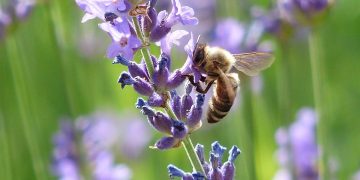
Encourage beneficial insects, like ladybugs and bees, which help control harmful pests and pollinate plants. Planting flowers such as daisies, sunflowers, and lavender can attract these allies.
DIY Pest Repellents
Create natural pest repellents using ingredients like garlic, pepper, or neem oil. These solutions help deter pests without harmful chemicals, preserving both your plants and the local wildlife.
Water Conservation Techniques
Mulching
Mulching helps retain soil moisture, suppress weeds, and improve soil health. Organic mulches, such as straw or leaf litter, also gradually break down and enrich the soil.
Drip Irrigation
Consider installing a drip irrigation system to deliver water directly to the plant roots. This method is efficient and conserves water, which is essential for sustainable gardening.
Focusing on Plant Health
Regular Observation
Spend time in your garden observing plant growth and health. Early detection of issues like disease or nutrient deficiencies allows you to address them before they escalate.
Natural Fertilizers
Utilize organic fertilizers like fish emulsion, bone meal, or compost tea. These fertilizers provide essential nutrients without the environmental impact of synthetic options.
Engaging with the Community
Learning and Sharing
Connect with local gardening groups or online communities to exchange ideas, seeds, and experiences. Community gardens can be a great resource for learning and sharing organic gardening techniques.
Educational Resources
Take advantage of resources like local workshops, gardening books, or websites dedicated to organic gardening. Continuous learning will help refine your skills and adapt practices that suit your specific garden conditions.
Conclusion
Creating and maintaining a thriving organic garden requires patience, commitment, and a respect for nature’s processes. By focusing on soil health, natural pest control, and sustainable practices, you can enjoy a lush, productive garden that is beneficial for both you and the environment.
Implement these tips and techniques to transform your backyard into a healthy and fruitful oasis that encourages biodiversity and sustains a green planet.