




Sprouting Success: Cultivating Your Thriving Indoor Herb Garden
Embarking on the adventure of growing an indoor herb garden can transform your living space into a lush oasis and your cooking into a chef’s paradise. Indoor herb gardens not only provide you with fresh, flavor-packed ingredients but also enhance your home’s decor and air quality. In this guide, we’ll uncover the essentials of creating and maintaining a thriving indoor herb garden that persists through the seasons.
1. Choosing the Right Herbs for Your Garden
First and foremost, selecting the right herbs is crucial for your indoor setup. Opt for herbs that naturally thrive indoors such as basil, mint, chives, oregano, parsley, and thyme. These herbs are not only popular culinary choices but are also well-suited for growing in controlled environments. Consider your cooking habits and flavor preferences to customize your garden to your taste and lifestyle.
2. Understanding Light Requirements
Sunlight is a critical component for the healthy growth of herbs. Most herbs require about six hours of sunlight per day. South or southwest-facing windows are ideal, but if natural light is limited in your home, consider investing in grow lights. LED or fluorescent plant lights can provide your herbs with the necessary spectrum of light and can easily be installed over your garden.
3. Soil and Container Essentials
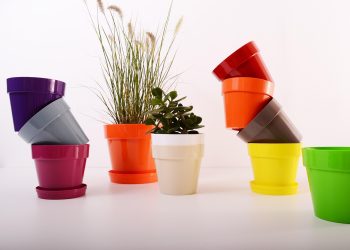
Good drainage is essential for herb cultivation. Choose containers with drainage holes and use well-draining potting mix specifically designed for indoor plants. Avoid using garden soil as it can compact in pots and hinder growth. Containers should be large enough to accommodate growth and provide space for the roots to spread.
4. Planting and Watering Techniques
Plant your herbs in the proper soil and ensure they are spaced out enough to allow air circulation, which is essential for preventing disease. When it comes to watering, herbs prefer a steady, moderate approach. Over-watering can lead to root rot, whereas under-watering can stress plants. Check the soil’s moisture regularly and develop a watering routine that keeps the soil consistently moist but not soggy.
5. Nutrient Management
Feeding your herbs the right nutrients is a key element of fostering a flourishing garden. Utilize a balanced, water-soluble fertilizer every four weeks during the growing seasons. Be cautious about over-fertilizing, which can harm plant health. Organic options such as fish emulsion or seaweed extract can also be effective, offering a slow-release of nutrients suitable for indoor herbs.
6. Pruning and Harvesting
Regular pruning helps keep herbs dense and bushy, encouraging a steady supply of fresh leaves. Harvest your herbs frequently by snipping off the top leaves as soon as the plant seems mature enough. This not only provides you with fresh herbs to cook with but also stimulates new growth, maximizing your garden’s yield.
7. Pest Management
Indoor herbs can still be susceptible to pests such as aphids, spider mites, and fungus gnats. Keep an eye on your garden and act quickly if you spot any pests. Natural remedies like neem oil or insecticidal soap can be effective treatments that do not harm your plants or your health.
8. Addressing Common Questions
How often should I rotate my indoor herb garden?
To ensure your herbs grow evenly, rotate the container every few days to expose all sides to light equally. This is especially crucial for light coming from a single source like a window or a designated grow light.
Can I grow multiple herbs in one container?
While some gardeners do plant multiple herbs in one large container, be mindful that each herb has unique light, water, and nutrient needs. For beginners, it’s often recommended to start with separate pots to maintain control over the growing environment.
What are the benefits of an indoor herb garden?
Beyond the joy of cooking with fresh herbs, indoor gardens can purify air and uplift your mood. The presence of greenery indoors has been linked to reduced stress levels, making herb gardening a therapeutic hobby as well.
Conclusion
Starting an indoor herb garden is a rewarding endeavor that enhances your cooking and beautifies your home. By following these tips, you’ll be well on your way to cultivating a diverse, thriving collection of plants right in your living space. Remember, every plant has its personality, so keep experimenting and learning to keep your green thumb growing.
With a bit of patience and care, you’ll soon be savoring the success of your very own indoor herb sanctuary!