




Sustainable Sanctaries: Secrets to Eco-Friendly Gardening
Gardening is not only a fulfilling hobby but also a pivotal way to contribute to the sustainability of our environment. The concept of eco-friendly gardening or “green gardening” seeks to minimize the environmental impact by using sustainable practices. This comprehensive guide aims to illuminate the path to creating your own eco-friendly garden, ensuring that you contribute towards a healthier planet.
What is Eco-Friendly Gardening?
Eco-friendly gardening or sustainable gardening involves using strategies that cause minimal harm to the earth and its ecosystems. This approach emphasizes the conservation of resources, reducing waste, and avoiding chemicals that can disrupt local flora and fauna.
Why Opt for Eco-Friendly Gardening?
With rapid environmental changes, such as climate change and biodiversity loss, eco-friendly gardening offers an opportunity to directly impact your immediate environment positively. It helps in:
- Reducing Carbon Footprint: By choosing local plants and avoiding chemical fertilizers, you can significantly reduce the greenhouse gases associated with gardening.
- Promoting Biodiversity: Sustainable gardens support a diverse range of plant and animal species.
- Conserving Water: By implementing watering efficiencies and xeriscaping, you can drastically reduce water usage.
Key Strategies for Eco-Friendly Gardening
1. Choose Native Plants
Native plants are adapted to the local climate and soil, requiring less water, fewer fertilizers, and minimal care compared to non-native species. They also provide essential food and shelter for local wildlife, promoting ecological balance.
2. Implement Companion Planting
This refers to the practice of planting certain plants together that mutually benefit each other by deterring pests, enhancing growth, and improving soil fertility. For example, marigolds are known to repel pests harmful to tomatoes.
3. Use Organic Mulch
Organic mulches like leaves, wood chips, or straw not only suppress weeds but also improve soil quality as they decompose. This also reduces the need for chemical herbicides, which can be harmful to the environment.
4. Practice Composting
Composting is a sustainable way to recycle kitchen and garden waste into rich soil nutrients. This not only reduces landfill dependency but also enriches the plant soil, promoting healthier plant growth.
5. Conserve Water
Implementing drip irrigation and rainwater harvesting systems can significantly reduce the amount of water used in gardens. These systems deliver water directly to the roots where it’s needed most, minimizing evaporation and runoff.
6. Avoid Chemical Pesticides and Fertilizers
Using natural remedies to deal with pests and diseases can keep your garden free from harsh chemicals. For instance, neem oil is an effective organic pesticide that does not harm beneficial insects.
Frequently Asked Questions (FAQs) about Eco-Friendly Gardening
Q1. How do I start an eco-friendly garden in a small space?
Even with limited space, you can start by choosing container-friendly native plants, utilizing vertical gardening techniques, and composting on a small scale.
Q2. What are some pest control alternatives?
Natural pest control methods include inviting beneficial insects, using homemade remedies like soap spray, and employing barriers like nets or floating row covers.
Q3. Can eco-friendly gardening save money?
Yes, by reducing the need for purchased soil amendments, chemical fertilizers, and pesticides, and by lowering water bills through efficient systems, sustainable gardening can be quite cost-effective.
Which Plants Are Best for Eco-Friendly Gardening?
Choosing the right plants can significantly affect your garden’s environmental impact. Some robust choices for an eco-friendly garden include:
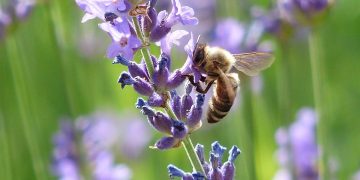
- Sunflowers and Lavender: Great for attracting pollinators.
- Ferns: They thrive in shady areas and require little maintenance.
- Local Fruit Trees: These adapt well to local conditions and provide food.
Conclusion
Eco-friendly gardening is a powerful tool in the fight against environmental degradation. It promotes sustainability, enriches local ecosystems, and can even enhance your wellbeing. By adopting the practices discussed above, you can transform your garden into a sustainable sanctuary that benefits both the planet and your community. Start small, commit to learning, and over time, your garden will grow into a thriving example of environmental stewardship.
Embrace the journey of creating your eco-friendly garden, where every plant and practice makes a difference. It’s not just gardening; it’s a step forward towards a more sustainable world.
Additional Resources
For those interested in expanding their knowledge and discovering further details about sustainable practices, websites like Gardeners’ World, The Royal Horticultural Society, and books such as “Gaia’s Garden” by Toby Hemenway offer extensive insights and practical advice.