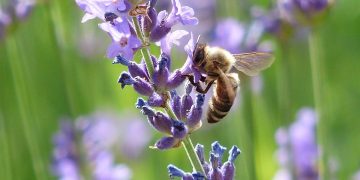






Thriving Sanctuary: Secrets to a Lush Indoor Herb Garden
Creating a lush indoor herb garden infuses your living space with not only life and greenery but also convenience and fragrance, providing fresh herbs at your fingertips. This guide delves into the intricacies of nurturing a thriving indoor garden filled with herbs. We’ll explore selection, care tips, common challenges, and ways to maximize harvest, ensuring your indoor herb garden blossoms into a sanctuary of freshness and flavor.
Choosing the Right Herbs for Your Indoor Garden
Success begins with selection. When starting your indoor herb garden, focus on herbs that thrive in an indoor environment. Popular choices like basil, chives, mint, parsley, and thyme are not only culinary favorites but also adapt well to indoor conditions. Each herb has its unique light and water requirements, but these generally demand moderate to high light and regular watering.
Considering Plant Varieties
Some herbs, such as mint, come in various flavors like spearmint and peppermint, offering a delightful range to experiment with in your kitchen. Similarly, basil varieties range from sweet basil to Thai basil, which can enhance your culinary dishes.
Setting Up Your Indoor Herb Garden
To create a thriving indoor herb garden, consider three critical aspects: lighting, watering, and soil quality.
Optimal Lighting for Herb Growth
Herbs generally require about six to eight hours of sunlight daily. South or west-facing windows may provide adequate natural light, but if your living space lacks sufficient sunlight, investing in grow lights can provide your herbs with the full spectrum of light they need to photosynthesize effectively.
Watering Your Indoor Herbs
The watering needs of indoor herbs can vary, but overwatering is a common mistake. Most herbs prefer their soil to be slightly dry between watering sessions. Ensure pots have good drainage and water only when the top inch of soil is dry to the touch.
Soil and Fertilization Fundamentals
Herbs do not require overly fertile soil. Lightweight, well-draining soil works best, providing the ideal balance of aeration and moisture retention. Regular, light fertilization can support healthier growth, but be cautious of over-fertilizing, which can negatively impact the taste and growth of your herbs.
Maintaining Healthy Growth
Regular maintenance is key to a thriving herb garden. This includes pruning, harvesting, and pest management.
Pruning and Harvesting
Regular pruning not only helps maintain the shape and health of your herb plants but also encourages fuller growth. Harvest herbs frequently by snipping the top leaves, which will stimulate new growth and can lead to a more bountiful yield.
Organic Pest Control Solutions
Pests can be an issue in any garden. For indoor gardens, organic methods like neem oil or soapy water sprays can be effective. Always keep an eye on your plants for early signs of infestation and act quickly to prevent spread.
Common Problems and Solutions in Indoor Herb Gardening
Despite our best efforts, issues can arise. Here are solutions to some common problems:
Yellowing Leaves
If you see leaves turning yellow, this could be a sign of overwatering or poor drainage. Ensure your herbs are in well-draining soil and adjust your watering schedule accordingly.
Leggy Plant Growth
Leggy plants often indicate insufficient light. If your herbs aren’t getting enough natural sunlight, consider supplemental lighting with grow lights.
Enhancing Your Home with Creative Herb Display
The way you display your herbs can add to the charm and aesthetic of your home. Wall-mounted planters, stylish pot groupings, or even a kitchen herb wall can integrate functionality and beauty into your living space.
The Joy of a Home-Cooked Meal with Fresh Herbs
There’s nothing quite like the taste of fresh herbs in your cooking. From enhancing a simple salad to mixing up a gourmet pesto, fresh herbs from your indoor garden can transform your meals and bring immense satisfaction.
Conclusion: Cultivating Your Indoor Herb Garden
With the right approach and a bit of care, an indoor herb garden can be a rewarding endeavor that beautifies your home and enriches your diet. Use this comprehensive guide as your roadmap to creating a fragrant, lush indoor sanctuary of herbs. As you tend the garden, enjoy both the process and the plentiful harvest it brings!
Remember, patience and attention are key. Monitor your plants regularly, adjust care as needed, and most importantly, enjoy the growth and the fresh flavors at your fingertips. Happy gardening!