Understanding Water Needs for Various Houseplants
Introduction to Houseplant Watering
Properly watering houseplants is crucial to their health and longevity. Each plant has unique moisture needs, which can vary based on factors such as species, size, and environmental conditions. Understanding these needs is key to ensuring your greenery thrives indoors. In this article, we’ll explore the different water requirements of popular houseplants, helping you become a more informed and successful plant owner.
General Watering Guidelines
Before diving into specific plants, it’s essential to grasp some general watering principles:
- Check the soil moisture: The best way to know if your plant needs water is to check the soil. If the top inch is dry, it’s usually time to water.
- Be mindful of the seasons: Most plants require more water during their active growth periods, typically in spring and summer, and less during the colder months.
- Understand pot impacts: The type and size of pot can affect soil moisture levels. Porous materials like terracotta allow for more evaporation than plastic pots.
Watering Needs of Specific Plants
Let’s break down the watering needs by various types of houseplants:
Succulents
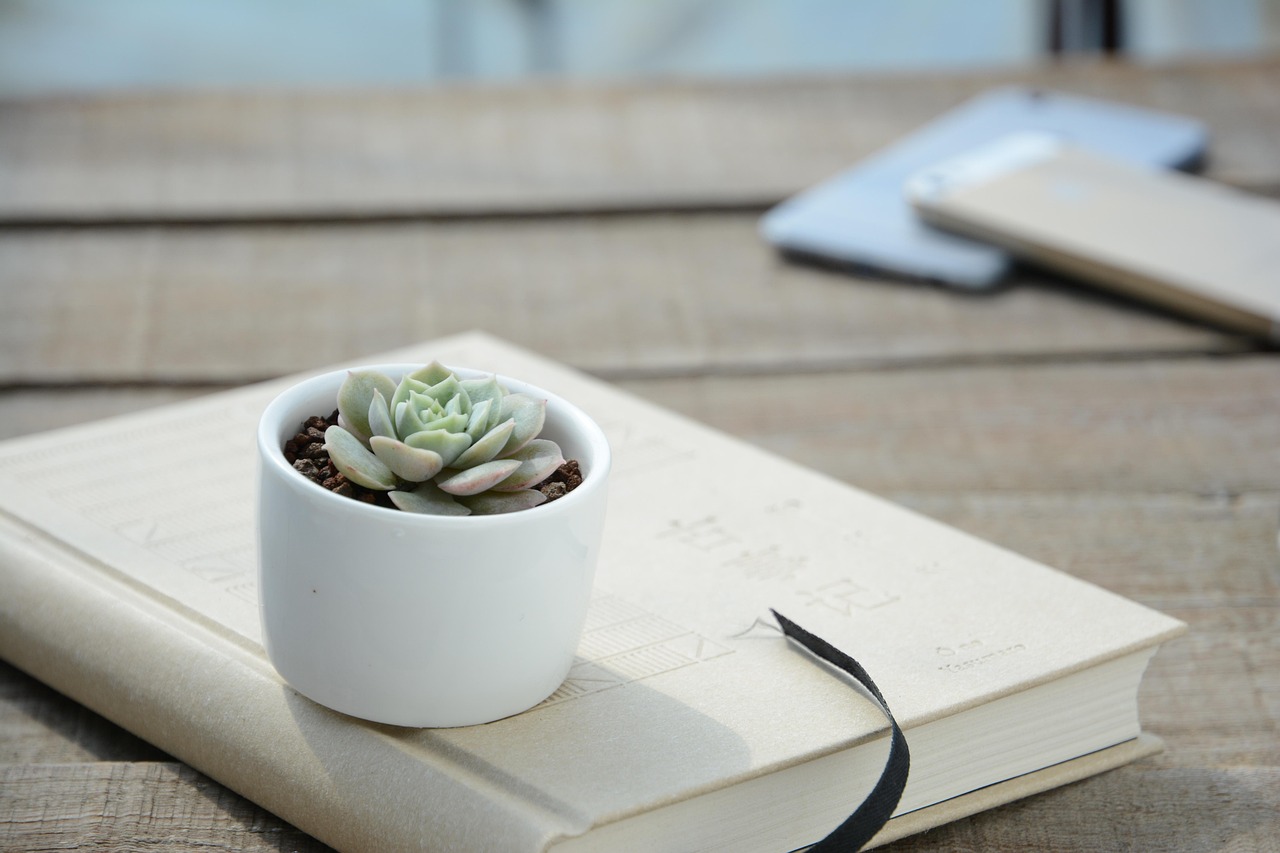
Succulents are drought-resistant plants that store water in their leaves and stems. Overwatering is a common issue, which can lead to root rot. Allow the soil to completely dry out between waterings, typically every two to three weeks, depending on the climate in your home.
Orchids
Orchids require a delicate balance of moisture. They need good drainage and air circulation around the roots. Water these plants once a week during the growing season and reduce to every other week in the off-season. It’s crucial to avoid letting water sit in the crown (the part where the leaves meet the stem), as this can cause rot.
Ferns
Ferns love humidity and need consistent moisture. Keep the soil lightly moist but not soggy. Watering them once or twice a week should suffice, but ensure that their environment isn’t too dry, as ferns do not tolerate drought well.
Ficus
Ficus plants, including the popular Fiddle Leaf Fig, are moderately easy to care for but can be finicky about water. Let the top inch of the soil dry out before watering thoroughly. Ensure any excess water is drained out to prevent root issues.
Peace Lilies
Peace Lilies are a popular choice for indoor spaces due to their low light and water needs. They thrive when the soil is consistently moist. Water them once a week, and ensure the soil is well-drained to avoid root rot. Wilting leaves often indicate it’s time for a drink.
Common Questions on Houseplant Watering
How often should I water my houseplants?
The frequency of watering will depend on the type of plant, the size of the pot, the temperature, and the humidity of your home. It’s best to check the soil moisture to determine if watering is needed.
Can I use tap water for my houseplants?
In most cases, yes, but some plants may be sensitive to chemicals in tap water. If your plant is not thriving, try using distilled or rainwater.
What are the signs of overwatering?
Signs of overwatering include yellowing leaves, soft and mushy stems or roots, and stagnant water in the pot. Reducing watering frequency and enhancing soil drainage can help mitigate these issues.
Tips for Successful Plant Watering
To maximize the health and beauty of your houseplants, consider these additional tips:
- Use pots with drainage holes to prevent excess water from sitting at the bottom.
- Adjust your watering habits with season changes; many houseplants grow more in spring and summer, thus needing more water.
- Consider the humidity of your room — plants in drier rooms might require more frequent watering or misting.
- Group plants with similar water needs together to streamline your watering process.