




Uninvited Guests: Tackling Common Garden Pests and Their Natural Control Methods
Gardening is a rewarding activity that can provide beauty, relaxation, and sustenance. However, every gardener at some point faces an inevitable challenge: pests. These uninvited guests can wreak havoc on your carefully tended plants. Fortunately, there are effective, natural control methods that can help protect your garden without the need for harsh chemicals. In this article, we’ll explore some common garden pests and discuss various organic solutions to keep your garden thriving.
Understanding Common Garden Pests
Before you can effectively tackle garden pests, it’s important to know who the enemies are. Here are a few of the most common culprits:
Aphids
Aphids are tiny, soft-bodied insects that cluster on the undersides of leaves and suck the sap from plants. They can cause leaves to curl, wilt, or yellow and can stunt plant growth.
Slugs and Snails
These slimy creatures are especially fond of moist, shaded gardens. They chew large holes in leaves and can decimate young seedlings overnight.
Caterpillars
The larvae of butterflies and moths, caterpillars are voracious eaters. They can quickly strip the foliage from plants, significantly impacting plant health and crop yield.
Japanese Beetles
These shiny, metallic beetles feed on a wide range of plants. The adults chew flowers and leaves, creating skeleton-like patterns, while their larvae attack roots underground.
Natural Control Methods
Effective pest management in the garden starts with natural, eco-friendly methods. Here are several strategies that can help control pests while maintaining a healthy garden ecosystem:
Encouraging Beneficial Insects
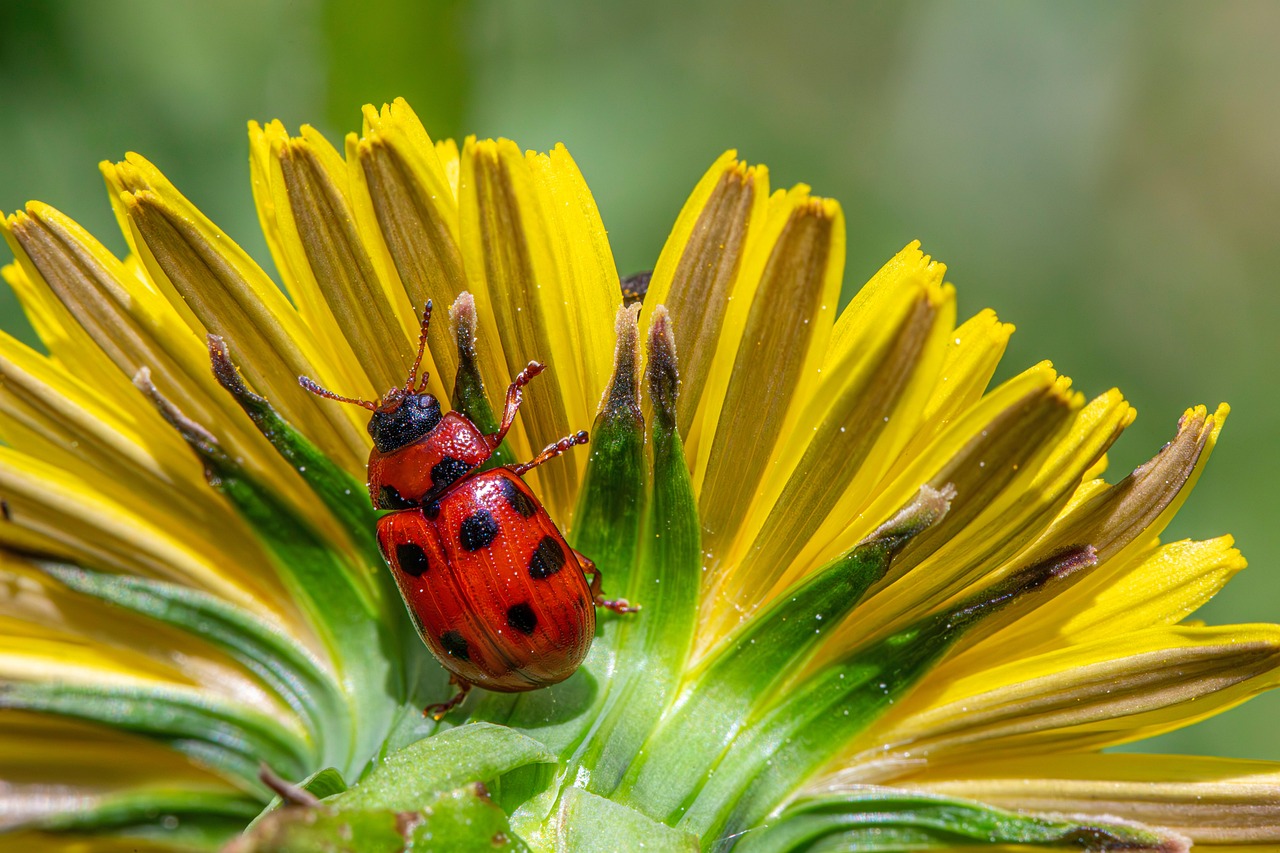
Creating an environment that attracts beneficial insects is a vital natural pest control method. Ladybugs, lacewings, and hoverflies are natural predators of aphids and other harmful pests. Planting flowers like marigolds, sunflowers, and cosmos can help draw these beneficial insects to your garden.
Physical Barriers
Physical barriers can prevent pests from reaching your plants. Floating row covers made of lightweight fabric can be draped over plants to protect them from a host of pests, including moths and beetles. Copper tape or eggshell barriers around the base of plants can deter slugs and snails.
Organic Sprays and Treatments
Neem oil, a natural pesticide derived from the neem tree, is effective against a variety of pests and is safe for beneficial insects. Similarly, insecticidal soap can be used to combat aphids, mites, and other soft-bodied insects. Always follow the application instructions to avoid harming your plants.
Manual Removal
For some pests like slugs, snails, and large caterpillars, manual removal might be feasible. Regularly inspecting your plants in the early morning or after rainfall and removing pests by hand can keep their populations under control.
Companion Planting and Crop Rotation
These two strategies not only improve soil health and crop yield but also reduce pest infestations:
Companion Planting
Some plants have natural properties that repel specific pests. For example, planting garlic near roses can help deter aphids. Similarly, growing basil alongside tomatoes can keep thrips at bay.
Crop Rotation
Rotating crops annually minimizes the recurrence of pest infestations. Since many pests are specific to certain plants, changing what’s grown in different areas of your garden each year can prevent them from becoming established.
Frequent Questions About Garden Pest Control
Are these methods sufficient to fully protect my garden from pests?
While no method offers 100% protection, combining several natural strategies can significantly reduce pest populations and damage. Regular monitoring and intervention improve success rates.
Can I use these methods in any garden?
Yes, these natural methods are versatile and can be adapted to virtually any garden setting, whether you’re cultivating a small vegetable patch or a large ornamental garden.
How often should I apply organic sprays?
Application frequency depends on the product and the severity of the infestation. Always adhere to the label instructions for the best results.
Conclusion
Tackling common garden pests naturally enhances both the health of your garden and the safety of its produce. By understanding the pests you’re dealing with, employing a mix of natural methods, and remaining vigilant, you can enjoy a vibrant, thriving garden. Remember, the key to successful garden pest management lies in diversity—using multiple strategies in conjunction provides the best outcomes. Happy gardening!
Stay Informed and Adapt
Continuously educate yourself on the latest organic gardening techniques and adapt your strategies based on what works best for your specific circumstances. The beauty of gardening lies in its continual learning and adaptation.