Unwanted Guests: Strategies to Combat Common Garden Pests
Gardening, for many, is a source of joy and a peaceful activity undertaken to beautify one’s surroundings or cultivate home-grown produce. However, it often comes with the challenge of dealing with a variety of common garden pests. These unwanted guests can derail your gardening efforts, causing damage and reducing the health of your plants. In this detailed guide, we’ll explore effective strategies to combat common garden pests and ensure your garden thrives.
Identifying Common Garden Pests
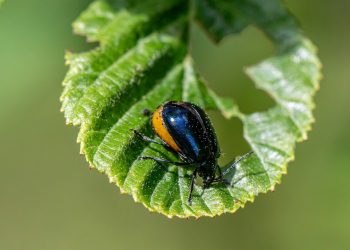
Before tackling the issue of pest control, it’s crucial to identify which pests are common in gardens. Some of the most prevalent ones include aphids, slugs, snails, Japanese beetles, and caterpillars. Each pest presents unique challenges and affects different types of plants. Aphids, for instance, are small, sap-sucking insects that can quickly colonize and weaken plants. On the other hand, snails and slugs chew large holes in leaves and can decimate seedlings overnight.
Integrated Pest Management (IPM)
Integrated Pest Management (IPM) is a sustainable approach to managing pests by combining biological, cultural, physical, and chemical tools in a way that minimizes economic, health, and environmental risks. Implementing an IPM plan starts with good gardening practices such as selecting disease-resistant plant varieties, proper plant spacing, and timely harvesting. These steps help create an unfavorable environment for pest invasions.
Natural Predators and Biological Controls
One of the most environmentally friendly ways to manage pests is by making use of their natural enemies. For example, ladybugs and lacewings are known to feed on aphids, providing a natural form of pest control without the use of chemicals. Utilizing biological control methods not only helps maintain the ecological balance in your garden but also reduces dependency on potentially harmful pesticides.
Organic Pesticides and Insecticides
If natural predators are not enough to keep the pest population at bay, organic pesticides and insecticides can be a viable option. Products containing neem oil, insecticidal soap, or diatomaceous earth are effective against a broad range of insects and are safe to use around pets and children when applied correctly. Always follow the manufacturer’s instructions for application and safety.
Physical Barriers and Traps
Physical barriers such as row covers or plant collars can prevent pests from reaching your plants. Additionally, traps like beer traps for slugs and pheromone traps for moths are useful for reducing pest populations. Adjusting watering schedules can also deter pests; for example, watering plants early in the day helps reduce moisture levels at night, making the environment less inviting for slugs and snails.
Maintaining Soil Health
A healthy garden starts with healthy soil. Enhancing soil fertility and structure by adding organic matter and ensuring proper pH balance can significantly improve plant health and resilience against pests. Consider performing a soil test to accurately amend soil deficiencies. Strong, vigorous plants are less likely to succumb to pest attacks and can better tolerate minor damage.
Regular Monitoring and Prompt Action
Consistently checking your garden for signs of pests is crucial for early detection and control. Regularly examine the undersides of leaves, stems, and any hidden areas within the plant for early signs of infestation. Taking prompt action when pests are detected can prevent them from multiplying and causing significant damage.
Common Questions about Garden Pest Control
Q: How often should I check my garden for pests?
A: It’s best to inspect your garden at least once a week, but more frequently during the growing season or if you notice symptoms of pest activity.
Q: Are homemade pesticides effective for garden pest control?
A: Yes, homemade solutions like garlic or chili pepper sprays can be effective, but they may need frequent application and are generally less potent than commercial organic options.
Q: Can overusing pesticides, even organic ones, be harmful?
A: Absolutely. Overuse of any pesticide can lead to pest resistance, harm to non-target species, and environmental degradation. Always use pesticides judiciously and as part of a broader IPM approach.
Conclusion
Combatting garden pests requires a diligent, informed approach. By identifying pests early, utilizing IPM techniques, and fostering a healthy garden environment, you can keep common garden pests in check and enjoy a thriving garden. Remember, the best pest management strategies are those that are proactive, environmentally responsible, and tailored to your specific garden needs.
With patience and persistence, managing garden pests effectively will lead to a lush, healthy garden ready to be enjoyed all season long.