








Garden Invaders: Effective Strategies for Controlling Common Pests
Gardening is a rewarding activity that can beautify your home and provide a source of fresh produce. However, common garden pests often disrupt this idyllic scene, turning lush greenery into a battleground. Here, we delve into effective strategies for controlling garden pests, helping you maintain a healthy, vibrant garden.
Understanding Your Garden’s Ecosystem
Before you wage war on pests, it’s essential to understand the ecosystem of your garden. Each bug has a role, and indiscriminate killing may harm your garden’s health. This section explores the importance of a balanced approach to pest control.
The Role of Beneficial Insects
Beneficial insects, such as ladybugs, praying mantises, and bees, play crucial roles in pollination and the natural control of harmful pests. Encouraging these allies in your garden by planting native flowers or avoiding pesticides can keep pest populations in check.
Identifying Common Garden Pests
Recognition is the first step in effective pest control. Here’s how to identify some of the most common garden invaders:
- Aphids: Small, soft-bodied insects that cluster on the undersides of leaves and suck plant juices, causing yellowing and distortion.
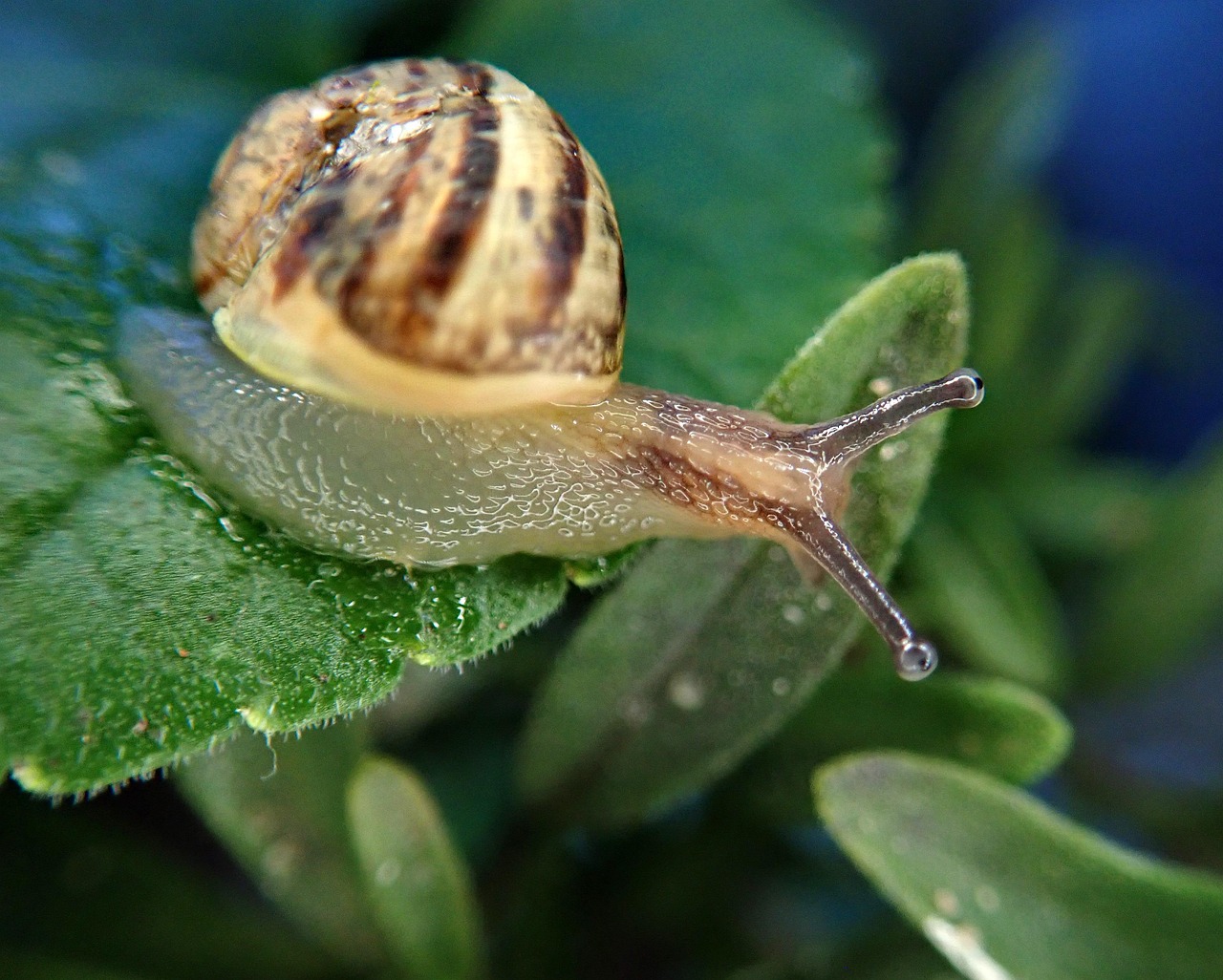
- Slugs and Snails: These mollusks chew large, irregular-shaped holes in leaves, primarily during the night.
- Japanese Beetles: Metallic blue-green beetles about 1/2-inch long; they devour leaves, flowers, and overripe or damaged fruit.
- Spider Mites: Tiny spiders visible only under magnification, which create white webs and speckle leaves with yellow spots.
Organic and Chemical-Free Pest Controls
Eschewing chemicals in favor of organic methods can enhance your garden’s health and safety. Below are organic strategies to manage pests effectively.
Physical Barriers
Physical barriers, such as row covers or copper tapes for slugs, can prevent pests from reaching your plants. Barrier methods are excellent for organic gardening as they cause no harm to the environment.
Natural Predators
Introducing or supporting natural predators in your garden is an excellent way to control pest populations naturally. For example, nematodes can be used to combat slug issues, and ladybugs for aphid control.
DIY Sprays and Solutions
Homemade sprays, such as a mixture of dish soap and water, can deter many types of insects without using harmful chemicals. Neem oil and diatomaceous earth are other popular and effective organic options.
Chemical Control Strategies
When organic methods are insufficient, chemical pesticides might be necessary. Use these products judiciously to minimize environmental impact.
Selecting the Right Pesticide
Choose pesticides that are specific to the pests in your garden to minimize collateral damage to beneficial insects. Always follow the application instructions precisely to protect your health and the environment.
Application Tips
Applying pesticides during the early morning or late evening can reduce the risk to pollinators and maximize the impact on nocturnal pests like slugs and snails. Consider spot-treating affected areas rather than widespread application.
Preventive Measures for Long-Term Control
Maintaining a healthy garden can deter pests before they become a significant problem. Here’s how to keep your garden robust and resilient against pests:
Regular Maintenance
Regular weeding, pruning, and debris removal can significantly reduce pest habitats. Water management techniques, such as drip irrigation, reduce waterlogging and help prevent slug invasions.
Companion Planting
Some plants naturally repel specific pests, and growing these alongside more vulnerable plants can help control pest populations. For example, marigolds are known to repel nematodes and some insects.
Soil Health
Healthy soil supports healthy plants more resistant to pests. Regular composting and appropriate fertilization can enhance soil quality and plant resilience.
Conclusion
Managing pests in your garden requires a balance of understanding, prevention, and intervention. By encouraging beneficial insects, using physical and natural pest control strategies, and applying chemical treatments judiciously, you can protect your garden from common pests and maintain its health and beauty. With these tips, your garden will not only survive but thrive, providing you with a serene retreat and abundant harvests.
Embrace the challenge of pest management as part of the gardening journey, and enjoy the lush, vibrant results of your efforts.



