




Winning the War on Weevils: Effective Strategies for Managing Grain Infestations
Grain weevils can cause significant loss to stored grains, impacting food security and economic stability in agricultural sectors. Understanding the dynamics of grain infestations and implementing effective strategies to manage and prevent these pests are essential. This article explores comprehensive tactics to control weevils, ensuring grain safety and quality.
Understanding Grain Weevils
Grain weevils, primarily the species Sitophilus granarius, are notorious for their ability to penetrate and spoil stored grains. They are capable of causing extensive damage as they breed and feed, often unseen, within these stores. Recognizing the signs of weevil infestation, which typically includes visible weevils, holes in grains, and a musty smell, is the first step in managing weevil infestations.
Preventing Weevil Infestations
Sanitation Practices
Maintaining cleanliness is crucial to prevent an infestation. Regular cleaning of storage facilities removes potential weevil hiding spots and breeding grounds. Ensure that new grains are stored in thoroughly cleaned environments to minimize infestation risks.
Proper Storage Conditions
Controlling environmental factors such as temperature and humidity within storage areas can significantly deter weevil proliferation. Weevils thrive in warm and moist conditions, so maintaining a dry and cool environment can help in preventing weevil infestations.
Use of Hermetic Sealing Technology
Sealing storage containers hermetically can prevent weevils from accessing the grains. This method not only keeps new pests from entering but also suffocates any existing ones inside the containers, effectively breaking their life cycle.
Chemical and Non-Chemical Management of Grain Weevils
Insecticides
Chemical treatments can be effective in controlling weevil outbreaks but must be used judiciously to avoid contaminating the grain. Always opt for products specifically approved for use in stored grain management and follow label instructions precisely.
Biological Controls
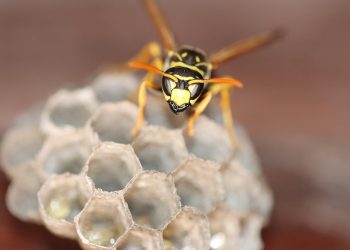
Introducing natural predators of weevils, such as parasitic wasps, can help in keeping the weevil population under control. Biological control is particularly advantageous as it reduces the need for chemical interventions, promoting a more eco-friendly approach.
Integrated Pest Management (IPM)
Combining multiple tactics can often achieve more sustainable weevil control. Integrated Pest Management (IPM) involves using physical, chemical, and biological methods in a coordinated approach, which can include regular inspection, sanitation, controlled storage environments, and the strategic use of biological agents and insecticides.
Monitoring and Regular Inspection
Continual monitoring is essential for early detection of potential infestations. Regular inspection of grain stores can catch infestations before they become large-scale problems. Employing tools such as pheromone traps and regular grain sampling can help in identifying and managing infestations early.
Technological Advances in Weevil Management
Emerging technologies, including IoT-based monitoring systems, provide real-time data on storage conditions and help in the early detection of infestations. These systems can alert managers to changes in temperature and humidity that might favor weevil growth, thereby preventing potential losses.
FAQ Section
How do I identify a weevil infestation in my grain storage?
Look for physical signs such as live or dead weevils, holes in grains, and a musty odor. Regular sampling and employing pheromone traps are also effective strategies for detection.
Can I treat a weevil infestation without harming the quality of the grain?
Yes, using correct and approved insecticides at prescribed doses or opting for non-chemical methods like hermetic sealing can control infestations without compromising grain quality.
Are there organic ways to control weevils?
Absolutely. Biological control methods and maintaining optimum storage conditions can effectively manage weevil populations in an organic manner.
Conclusion
Winning the war on weevils in grain storage is crucial for maintaining the quality and safety of the stored grains. By implementing a combination of preventive measures, using appropriate control tactics, and continually monitoring storage conditions, you can effectively manage and prevent weevil infestations. This cohesive approach not only saves the grain but also supports sustainable pest management practices.