





Green Defense: Eco-Friendly Strategies for Managing Garden Pests
In the realm of gardening, the joy of cultivating plants and witnessing their bloom can often be overshadowed by the frustrating impact of pests. Traditional methods of pest control have increasingly been criticized for their environmental impact, leading many gardeners to seek friendlier, sustainable alternatives. This article explores a variety of eco-friendly strategies for managing garden pests, ensuring your garden remains lush, healthy, and environmentally conscious.
The Importance of Eco-Friendly Pest Management
Using chemical pesticides not only affects the pests but can also have adverse effects on beneficial insects, wildlife, and even human health. In contrast, eco-friendly pest management practices aim to maintain and restore the natural balance in the garden, reducing the need for chemical interventions and fostering biodiversity. These practices are not only better for the environment but can also be more economical in the long run.
Understanding Integrated Pest Management (IPM)
Integrated Pest Management (IPM) is a systematic strategy that incorporates a range of biological, physical, and chemical tools to manage pest populations at a tolerable level. IPM begins with the monitoring and identification of pests, which is crucial to determining the most effective interventions. The idea is to use interventions that are the least disruptive to plant health and that support the ecosystem.
Maintaining Healthy Soil
The foundation of a healthy garden lies beneath the surface. Soil rich in organic matter can significantly enhance the resilience of plants against pests and diseases. By incorporating compost, mulching, and practicing crop rotation, gardeners can improve soil health, structure, and moisture retention, forging a robust environment less conducive to pest outbreaks.
Encouraging Beneficial Insects
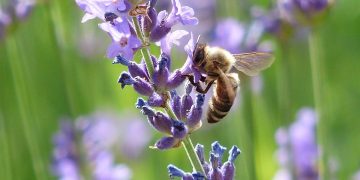
One of the pillars of eco-friendly pest control is leveraging natural predator-prey relationships. Encouraging beneficial insects such as ladybugs, lacewings, and predatory mites can help keep pest populations in check. Planting native flowering varieties and creating habitats like insect hotels can attract these natural allies. Furthermore, avoiding broad-spectrum insecticides ensures that these beneficial creatures are preserved in your garden.
Physical and Mechanical Controls
Physical barriers and mechanical methods are direct ways to protect plants without the use of chemicals. Fine mesh nets, row covers, and greenhouse tunnels can prevent pests from reaching plants. Similarly, manual removal of pests and infected plant parts can be effective, though labor-intensive, methods to control the spread of pests.
Cultural Practices to Deter Pests
Cultural practices involve modifying the garden environment to make it less attractive to pests. Simple strategies like choosing disease-resistant plant varieties, spacing plants properly for airflow, and watering adequately without creating excess moisture can significantly reduce pest issues. Proper sanitation, such as removing debris and fallen leaves, can also help minimize potential breeding grounds for pests.
Biological Pest Control
Beyond encouraging naturally occurring beneficial insects, gardeners can introduce commercially available predatory and parasitic insects. Biocontrol agents such as Bacillus thuringiensis (Bt) are effective against caterpillars when applied properly, without harming other insect species or the environment.
Natural Pesticides and Repellents
If non-chemical measures are insufficient, natural pesticides and repellents can be considered as a secondary line of defense. Neem oil, horticultural soaps, and essential oils are among the options available. These products are generally less harmful than synthetic chemicals but should still be used sparingly and as directed to minimize any environmental impact.
Regular Monitoring and Responsive Actions
Effective pest management is an ongoing process. Regular monitoring of plant health and pest levels helps detect potential problems early, allowing for timely and precise interventions. This proactive approach helps minimize the extent of control measures needed and supports a more balanced garden ecosystem.
Conclusion
Eco-friendly garden pest management is a multifaceted and dynamic approach that emphasizes prevention, sustainability, and environmental stewardship. By embracing these green defense strategies, gardeners not only protect their plants but also contribute to the health of their local ecosystem, fostering a greener, more sustainable world. Gardening with these principles instills a sense of responsibility and connectedness with nature that can enrich the gardening experience immensely.
Whether you are a seasoned gardener or just starting, integrating these eco-friendly strategies can greatly enhance the vitality of your garden while preserving the beauty and balance of nature. Embrace these practices today, and enjoy a thriving, pest-free garden that supports the broader environment.