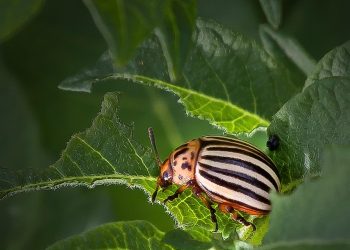





Innovative Pest Control Strategies
Today’s world faces a continuous challenge from pests, which threaten agriculture, homes, and health. Traditional methods have often proved harmful to the environment and non-target species, prompting a shift towards more innovative and sustainable pest control strategies. This article explores cutting-edge approaches in the pest control industry, delivering effective solutions and addressing common concerns.
Understanding Integrated Pest Management (IPM)
Integrated Pest Management (IPM) is a holistic strategy that incorporates a variety of practices to manage pests safely and effectively. IPM focuses on long-term prevention and combines various management tactics for greater effectiveness and minimal risk to people and the environment. By understanding the life cycle of pests and their interaction with the environment, IPM aims to manage pest damage by the most economical means.
Benefits of Integrated Pest Management
- Eco-friendly: Reduces the need for chemical pesticides by using natural pest control methods.
- Economic benefits: Reduces the overall cost of pest management by preventing rather than solely reacting to infestations.
- Health and safety: Improves the safety of the home and community by reducing exposure to toxic chemicals.
Biological Pest Control Innovations
Biological pest control involves using living organisms to combat pest populations, emphasizing natural predation, parasitism, or other natural mechanisms. This area has seen significant innovation with the introduction of genetically modified organisms (GMOs) and microbial products that target specific pests without affecting other species.
Examples of Biological Control Agents
- Lady Beetles and Green lacewings: Known for their effectiveness in controlling aphids in garden settings.
- Bacillus thuringiensis (Bt): A naturally occurring bacteria that produces toxins fatal to specific insect larvae but not harmful to humans or wildlife.
- Genetically Engineered Crops: Plants engineered to be resistant to pests, reducing the need for chemical pesticides.
Technological Advances in Pest Control
Technology plays a crucial role in modern pest control strategies. Advances such as drone technology, precision spraying systems, and smart traps have revolutionized the way we detect and manage pest populations.
Smart Pest Monitoring Systems
Internet of Things (IoT) devices and sensors can now monitor pest activity and environmental conditions in real time, providing data-driven insights for effective pest management. Smart traps, equipped with cameras and sensors, can identify the type of pests, assess their population size, and analyze their behavior, triggering alerts and enabling prompt action.
Chemical Innovation and Safety Improvements
While the goal is to reduce reliance on chemicals, there remain scenarios where they are needed. Research into novel formulations and safer application methods can mitigate the environmental impact. Newer chemicals are highly targeted, degrade faster, and are less toxic to non-target species, making them safer alternatives to older, broad-spectrum pesticides.
Regulation and Certification of New Pesticides
The process for introducing new chemicals into the market involves rigorous testing and certification to ensure safety and efficacy. Continuous monitoring and reassessment guarantee that any emerging risks are managed effectively.
Education, Training, and Public Awareness
Education is crucial in pest control, particularly with innovative strategies requiring more nuanced understanding and implementation. Training programs for professionals, and educational campaigns for the public, raise awareness about the benefits of sustainable pest management practices.
Collaboration for Sustainable Solutions
Collaboration among scientists, farmers, policymakers, and pest management professionals fosters the adoption of these innovative strategies on a larger scale. Sharing knowledge and resources can optimize the implementation of IPM practices and biological control techniques, paving the way for healthier environments and communities.
Future Outlook and Innovations in Pest Control
The future of pest control lies in the continued integration of technology, biology, and chemistry to create even more precise, sustainable, and environmentally friendly solutions. Research into areas such as pheromone technology, RNA interference, and further genetic modifications promises new breakthroughs that could revolutionize how we manage pest populations.
Addressing Your Pest Control Queries
If you have concerns about pests or are interested in implementing more innovative and sustainable pest management strategies, consider consulting with a professional. Look for licensed experts who specialize in IPM and are up-to-date with the latest advancements in the field.
In conclusion, innovative pest control strategies represent a shift towards more sustainable and environmentally friendly methods. By exploring and implementing these advanced techniques, we can effectively manage pest populations, minimize environmental impact, and protect human health.