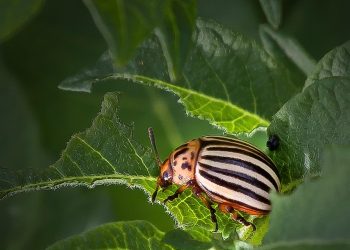
Ensuring a Pest-Free Environment: Effective Strategies for Home and Business
Ensuring a pest-free environment is crucial for maintaining a safe, hygienic, and welcoming space, whether at home or in a business setting. Pests such as rodents, insects, and other critters can pose significant health risks and cause structural damage to properties. This comprehensive guide provides essential insights and strategies to achieve and maintain a pest-free environment, addressing common questions and concerns along the way.
Understanding the Importance of Pest Control
Health Risks and Property Damage
Pests like roaches, mice, and termites aren’t just nuisances; they carry diseases and can cause significant property damage, making pest control crucial. Rodents, for example, can spread hantavirus, leptospirosis, and even plague via their droppings, while termites can silently weaken wooden structures, leading to costly repairs.
Compliance and Reputation
For businesses, effective pest management is not only about hygiene but also compliance with health regulations and maintaining a good reputation. A single pest-related incident can lead to negative reviews and decreased customer trust, impacting profitability.
Identifying Common Pests and Their Signs
Insects: Termites, Cockroaches, Bedbugs
Insects are some of the most common pests. Signs of infestation include visible bugs, droppings, and damage to materials like fabric and wood. For instance, termites leave behind winged swarms, mud tubes, and wood that sounds hollow when tapped.
Rodents: Mice and Rats
Rodents often leave droppings, gnaw marks, and have distinct musky odors. Noticeable signs include scratching noises within walls and visible tracks or tail marks in dusty environments.
Prevention Strategies for a Pest-Free Environment
Sealing Entry Points
One of the first steps in pest prevention is sealing off entry points. This means checking for cracks and holes in walls, floors, and foundations, and sealing them with steel wool, caulk, or other appropriate materials.
Cleanliness and Sanitation
Maintain high standards of cleanliness to discourage pests. Regularly dispose of garbage in sealed containers and keep food in airtight storage. Reducing clutter also minimizes hiding spots for pests.
Landscaping and Exterior Maintenance
Trimming vegetation away from structures and removing stagnant water can deter pests. Ensure gutters are clean to prevent water accumulation, which can attract mosquitoes and other pests.
Professional Pest Control Solutions
Regular Inspections and Treatments
For both prevention and active infestation, professional pest control services offer comprehensive solutions. Regular inspections help catch early signs of infestation, while customized treatments address specific pest concerns effectively.
Choosing the Right Pest Control Service
When selecting a pest control provider, consider factors like licensing, experience, and the methods they use. Ensure they practice environmentally safe pest control measures to protect your health and the surrounding environment.
DIY Pest Control Tips
Natural Remedies
Various natural remedies can help deter pests. For example, diatomaceous earth can be effective against insects, while peppermint oil repels mice. However, these solutions are often more preventive and less effective against an existing infestation.
Traps and Baits
Over-the-counter traps and baits can be effective for small problems. Whether you’re dealing with mice or insects, properly positioning these tools is crucial for success.
Addressing Common Pest Control Questions
Safety of Chemicals Used
Many homeowners and business owners are concerned about the safety of pest control chemicals. Today, many pest control companies use safer, less toxic options that are effective yet minimally hazardous to humans and pets.
Cost of Pest Control Services
The cost can vary depending on the extent of the infestation and the size of the property. Regular maintenance is typically more cost-effective in the long run compared to handling periodic severe infestations.
Timeline for Seeing Results
The effectiveness and timeline of pest control depend on the degree of infestation and the methods used. While some treatments offer instant results, others require a phased approach over several weeks.
Long-Term Strategies for Maintaining a Pest-Free Environment
Establishing ongoing maintenance schedules with professionals can keep pests at bay permanently. Educating all occupants of the property about best practices in sanitation can also prevent future infestations.
Conclusion: Take Action to Protect Your Environment
Achieving a pest-free environment requires diligence, regular maintenance, and sometimes professional help. By understanding the risks, taking preventive measures, and responding quickly to signs of pests, you can maintain a safe and healthy environment. Remember, effective pest management not only contributes to health and safety but also preserves property integrity and business reputations. Always consider long-term solutions and professional advice to tackle pest problems comprehensively.