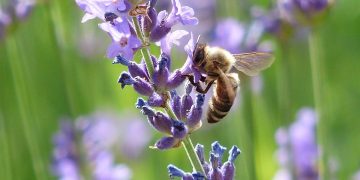





Exploring Natural Alternatives: The Shift Towards Eco-Friendly Bug Repellents
In recent years, there has been a significant shift towards more sustainable living practices across various industries. This shift is particularly noticeable in the realm of pest control, where eco-friendly bug repellents are gaining popularity. As environmental concerns increase, more consumers are exploring natural alternatives to traditional chemical repellents. These alternatives promise to be safer for both the user and the planet.
Understanding the Impact of Traditional Bug Repellents
Traditional bug repellents often contain chemicals like DEET (N,N-Diethyl-meta-toluamide) or picaridin. While these compounds are effective at keeping pests at bay, they also raise concerns regarding environmental pollution and potential health risks. For example, DEET has been shown to have toxic effects on wildlife and can persist in the environment, leading to ecological imbalances.
Given these concerns, it’s not surprising that eco-conscious consumers and researchers are turning towards natural bug repellent solutions that deliver results without the negative side effects associated with synthetic chemicals.
Exploring Natural Ingredients in Bug Repellents
Natural bug repellents typically utilize plant-based ingredients known for their repelling properties. Some of the most common natural ingredients include:
- Citronella: The oil derived from the leaves and stems of the lemongrass plant is a well-known mosquito repellent. Citronella works by masking scents that attract mosquitoes, effectively making it harder for these pests to locate their targets.
- Lemon Eucalyptus Oil: This natural oil is derived from the leaves of the Eucalyptus citriodora tree. It has been recognized by the Centers for Disease Control and Prevention (CDC) as an effective ingredient against mosquitoes.
- Peppermint Oil: In addition to its refreshing scent, peppermint oil has been shown to repel mosquitoes and other pests such as spiders and ants.
By harnessing the power of these and other natural compounds, manufacturers can create bug repellents that are not only effective but also environmentally friendly.
Benefits of Using Eco-Friendly Bug Repellents
Opting for an eco-friendly bug repellent presents several benefits:
- Reduced Environmental Impact: Natural repellents are often biodegradable and less likely to contribute to environmental pollutants. This helps preserve biodiversity and maintain ecological balance.
- Safer for Human Use: Chemical-free formulations are generally non-toxic, making them safer for regular use, especially around children and pets.
- Mild on Skin: Many natural repellents are gentler on the skin compared to their chemical counterparts, reducing the risk of irritations or allergic reactions.
The Efficacy of Natural Bug Repellents
One common concern about natural bug repellents is their efficacy. How do these eco-friendly options stack up against chemical repellents? Studies have shown that certain natural ingredients can be quite effective. For instance, lemon eucalyptus oil has been found to provide protection similar to low concentrations of DEET. However, it’s important to note that natural repellents often need to be applied more frequently than their chemical counterparts to maintain effectiveness.
Choosing the Right Eco-Friendly Bug Repellent
When selecting an eco-friendly bug repellent, consider the following factors:
- Active Ingredients: Look for products with proven natural ingredients like citronella, lemon eucalyptus, or peppermint oil.
- Application Method: Choose a repellent that fits your preferred application style, whether it’s a spray, lotion, or wipe.
- Scent: Natural repellents come in various scents. Select one that you find pleasant, as you’ll be more likely to use it consistently.
- Duration of Protection: Check how often you need to reapply the repellent. Some natural options might require more frequent application.
Conclusion
The shift towards eco-friendly bug repellents is a welcome trend for those seeking natural and sustainable alternatives to chemical repellents. By choosing natural options, consumers are not only protecting themselves from pests but also contributing to environmental conservation. As research continues to advance, the efficacy and variety of eco-friendly repellents are expected to improve, offering even more choices for conscientious consumers.
By embracing these natural alternatives, we take another vital step towards a healthier planet and a more sustainable future. Whether you’re planning a camping trip or simply enjoying time in your garden, consider the benefits of switching to an eco-friendly bug repellent. It’s a small change that can have a big impact.