




Exploring Natural Alternatives to Chemical Bug Repellents: A Guide to Eco-Friendly Options
With growing concerns over the environmental and health impacts of chemical bug repellents, many individuals are turning to natural alternatives. These eco-friendly options offer effective solutions to keep insects at bay without the use of harsh chemicals. This guide explores various natural repellents, addressing common questions and offering valuable tips on how to integrate them into your everyday life.
Why Consider Natural Bug Repellents?
The usage of chemical repellents often involves compounds like DEET or permethrin, known for their efficacy but also associated with potential health risks such as skin irritation or neurological effects. Moreover, these chemicals can have detrimental effects on the environment, affecting non-target wildlife and aquatic ecosystems. In contrast, natural bug repellents provide a safer, sustainable alternative, aligning with a growing global emphasis on ecological responsibility and personal health.
The Effectiveness of Natural Bug Repellents
One common question about natural bug repellents is whether they are as effective as their chemical counterparts. Research indicates that certain natural ingredients can effectively repel insects. For instance, oil of lemon eucalyptus, recognized by the Centers for Disease Control and Prevention (CDC), offers comparable protection against mosquitoes to lower concentrations of DEET.
Key Natural Ingredients to Consider
- Oil of Lemon Eucalyptus: Extracted from the leaves of the Eucalyptus tree, this oil can repel mosquitoes and ticks effectively.
- Citronella: Well-known for its efficacy in mosquito repellency, citronella oil is used in candles, torches, and skin applications.
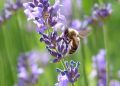
- Lavender: Apart from its soothing fragrance, lavender oil is recognized for repelling a variety of insects naturally.
- Peppermint: Oil derived from peppermint is not only aromatic but also has strong repellent properties against several bugs.
DIY Natural Repellent Recipes
Creating your own bug repellent is an easy and cost-effective way to protect yourself naturally. Here are a few simple recipes:
Homemade Citronella Bug Spray
- Mix 10 drops of citronella oil, 10 drops of tea tree oil, and one tablespoon of witch hazel.
- Add to 100ml of clean water in a spray bottle.
- Shake well before each use and spray liberally on exposed skin.
Lavender Body Oil Repellent
- Combine 30ml of sweet almond oil with 15 drops of lavender essential oil.
- Apply a small amount to exposed skin areas.
Precautions and Best Practices
While natural remedies are generally safer, they also require consideration. Always perform a patch test to rule out skin sensitivities to any essential oils. Furthermore, reapplication is necessary, as natural repellents often have a shorter duration of action compared to chemical options.
Integrating Natural Repellents into Daily Routines
Incorporate these natural solutions into your daily habits for enhanced protection:
- Light citronella candles during outdoor evenings.
- Plant bug-repelling flora like lavender and marigold around your yard.
- Keep a homemade spray handy during hiking or camping trips.
Conclusion
Natural bug repellents are a viable and eco-friendly alternative to chemical repellents. By incorporating ingredients like oil of lemon eucalyptus, citronella, and lavender into your repellent strategies, you can enjoy outdoor activities while protecting your health and the environment. Embrace these natural solutions and contribute to a safer, greener planet.