




From Soil to Soul: Exploring the Impact of Basic Gardening Tools
Gardening is not just a hobby; it’s a journey of nurturing life from the ground up. In this in-depth exploration, we uncover the profound effects of basic gardening tools on your gardening success, overall well-being, and environmental impact. Whether you’re a seasoned green thumb or a budding gardener, understanding the essentials can transform your gardening practice from a chore into a rejuvenating outdoor activity.
The Essential Gardening Toolkit
Every gardener’s toolkit should start with a few fundamental tools that make the process of gardening easier and more effective. These include:
- Spades and Shovels: For digging and moving soil.
- Garden Forks: Perfect for turning soil and compost.
- Rakes: Essential for clearing leaves and debris.
- Hoes: Useful for weeding and breaking up soil.
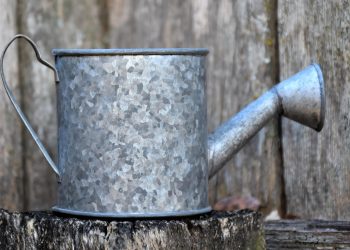
- Watering Cans or Hoses: Necessary for thorough watering.
- Pruning Shears: Ideal for trimming and shaping plants.
- Gardening Gloves: Protect your hands from dirt and injury.
Investing in these basic tools can improve your planting experience and contribute to the flourishing of your garden.
Enhancing Gardening Efficiency
Using the right tools not only makes the task of gardening more enjoyable but also enhances efficiency. A sturdy spade or shovel, for example, can help you break ground on new beds easily, while a sharp pair of pruning shears makes maintaining your plants simple and precise. These tools help in reducing the labor involved, making gardening accessible for everyone and conserving energy.
Physical and Mental Benefits of Gardening
Gardening is a physically engaging activity that can improve your strength, stamina, and flexibility. The use of basic tools like rakes and hoes offers a moderate physical workout, potentially lowering the risk of heart disease, stroke, and other health issues.
Beyond physical health, gardening has a significant impact on mental well-being. It’s a stress-relieving activity that promotes mindfulness and can alleviate symptoms of depression and anxiety. The process of planting and nurturing seeds creates a deep connection with nature, which is intrinsically satisfying and grounding.
Environmental Impact of Sustainable Gardening Practices
Using basic gardening tools also encourages the adoption of sustainable practices. For instance, a simple tool like a garden fork can help improve soil aeration, enhancing water retention and reducing the need for frequent watering. Composting, supported by the use of basic tools like compost forks or shovels, enriches the soil and minimizes waste, emphasizing a cycle of renewal that benefits your garden and the environment.
Optimal Use of Gardening Tools
Understanding how to use and maintain your gardening tools can greatly increase their efficacy and lifespan. For example:
- Keep tools clean and dry to prevent rust.
- Sharpen blades regularly to ensure clean cuts.
- Store tools properly to avoid damage and accidents.
Proper care not only preserves your tools but also ensures safety while gardening, enhancing the overall gardening experience.
FAQs: Basic Gardening Tools
Which basic gardening tool should I buy first?
Start with a multi-purpose tool like a spade or a rake, depending on your specific gardening needs—whether it’s digging new beds or maintaining existing ones.
How do I choose the right gardening tools?
Consider factors such as the size of your garden, the types of plants you grow, and your physical comfort. Ergonomically designed handles can reduce stress on your body, making gardening more enjoyable.
Can children use the same gardening tools as adults?
It’s best to provide children with tools that are sized for their use. Many companies make smaller, lighter versions of adult tools to accommodate young gardeners safely.
Conclusion: The Soulful Impact of Gardening
Gardening touches our lives deeply, from the physical act of gardening to the serene moments spent in nature. Basic gardening tools are the unsung heroes that make this connection possible, transforming soil into a canvas of potential and growth. By choosing the right tools and using them effectively, we can not only enrich our own lives but also contribute positively to the environment, proving that even the simplest tools can have a profound impact.