








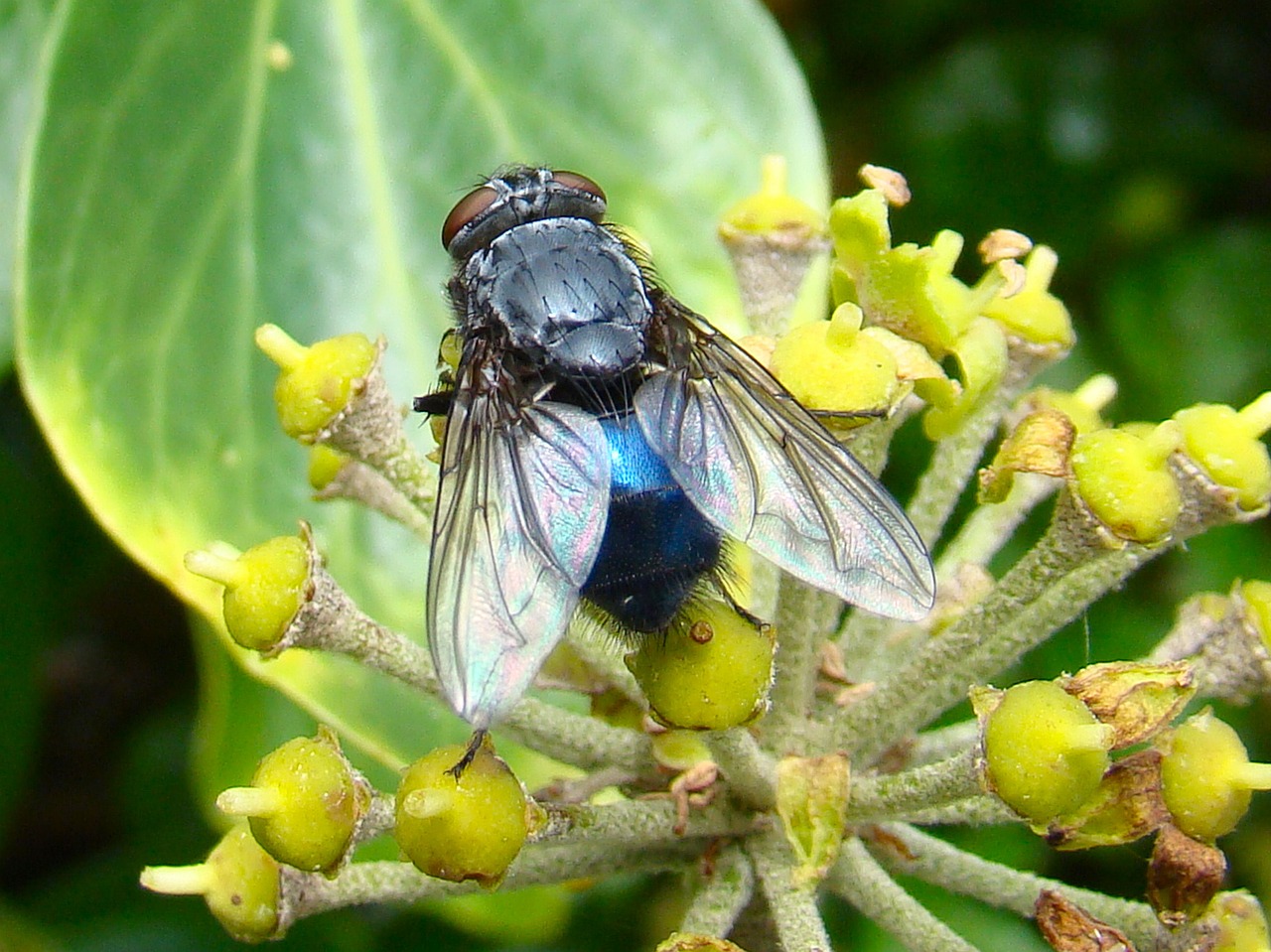
Green Guard: Exploring Effective Natural Remedies for Pest Control
Conventional pest control methods often involve the use of chemicals that can be harmful to the environment, pets, and even humans. As the desire for sustainable living grows, many homeowners and gardeners are shifting towards green alternatives in pest management. Natural remedies for pest control offer effective, eco-friendly solutions that minimize health risks and environmental impact. This comprehensive guide delves into a variety of natural strategies to keep common pests at bay, ensuring your home and garden remain safe and flourishing.
Understanding Natural Pest Control
Natural pest control involves using methods and products that are derived from natural sources, bypassing synthetic chemicals. These methods include biological control, use of botanical insecticides, and employing physical barriers or techniques that discourage pest infestations.
Advantages of Natural Remedies for Pest Control
The primary benefits of using natural remedies for pest control include safety, environmental preservation, cost-effectiveness, and contributing to biodiversity. Unlike chemical treatments, natural methods reduce the risk of toxic residues that can affect both health and the ecosystem.
Top Natural Remedies to Combat Pests
Let’s explore various natural remedies and how they can be utilized effectively to repel and manage pests:
1. Essential Oils
Essential oils such as lavender, eucalyptus, peppermint, and tea tree oil are potent for pest control due to their strong scents and inherent properties that pests find unappealing. These oils can be used to create natural sprays that deter a wide range of insects including mosquitoes, ants, and spiders.
2. Diatomaceous Earth
Diatomaceous earth is a powdery substance made from the fossilized remains of tiny aquatic organisms called diatoms. The microscopic particles are sharp and can effectively kill insects by penetrating their exoskeletons. It’s particularly effective against bed bugs, fleas, cockroaches, and other crawling pests.
3. Neem Oil
Derived from the seeds of the neem tree, neem oil is celebrated for its pest repelling qualities. It works as an insecticide that hinders the growth and reproduction of pests without causing harm to beneficial insects such as bees and butterflies.
4. Companion Planting
Companion planting involves placing certain plants next to each other to naturally protect them from pests. For example, marigolds emit a natural insecticide that repels nematodes and other pests, making them perfect companions for vegetable plants.
Implementing Natural Pest Control in Your Garden
To effectively implement natural pest control in your garden:
- Maintain plant health: Healthy plants are less vulnerable to pest infestations. Ensure they have suitable soil, adequate sunlight, and proper watering.
- Encourage natural predators: Attract beneficial insects like ladybugs and lacewings by planting species that provide them with nectar and pollen.
- Physical barriers: Use row covers or plant collars to physically block pests from reaching your plants.
FAQs About Natural Pest Control
Are natural pest control methods as effective as chemicals?
While natural methods may take more time and effort to show results, they are effective in the long-term management of pests and less harmful to the environment.
Can I use natural pest control indoors?
Yes, natural remedies such as essential oil sprays, diatomaceous earth, and traps are safe and effective for indoor use.
How often should natural pest repellents be applied?
Application frequency can vary depending on the remedy and the type of pest. Generally, natural repellents need to be applied more frequently than chemical ones, especially after rainfall or watering.
Concluding Thoughts on Natural Pest Control
Embracing natural pest control methods aligns with sustainable living and offers a safe, effective alternative to chemical pesticides. By adopting strategies such as using essential oils, diatomaceous earth, neem oil, and companion planting, homeowners and gardeners can protect their spaces naturally while benefiting the environment.
The journey towards greener pest control is not only about eliminating pests, but also about fostering a healthier, more sustainable way of living. Whether you’re a seasoned gardener or a concerned homeowner, integrating these natural solutions can help you maintain a pest-free, eco-friendly environment.
This cohesive narrative leverages HTML headings to enhance readability and integrates keywords effectively, ensuring a seamless reading experience while maintaining optimized search engine visibility.






