




Innovative Strategies for Sustainable Pest Control
In our ongoing battle against pests, the need for effective yet environmentally sustainable solutions has never been more critical. Traditional methods utilizing chemical pesticides offer quick results but often pose potential risks to the environment, non-target organisms, and human health. This article explores innovative approaches in the management of pests that are designed to be both effective and sustainable.
Understanding Sustainable Pest Control
Sustainable pest control involves strategies that are not only effective in managing pests but also safeguard the environment, human health, and non-target species. This approach often integrates traditional practices with modern innovations to create balanced, effective solutions without compromising future resources.
The Principles of Integrated Pest Management (IPM)
Integrated Pest Management (IPM) is a cornerstone of sustainable pest control. IPM strategies aim to manage pest populations at acceptable levels using the least hazardous methods. This multifaceted strategy encompasses biological control, use of resistant varieties, and appropriate farming practices, alongside judicious chemical control as a last resort.
Innovative Approaches in Sustainable Pest Control
Biocontrol Methods
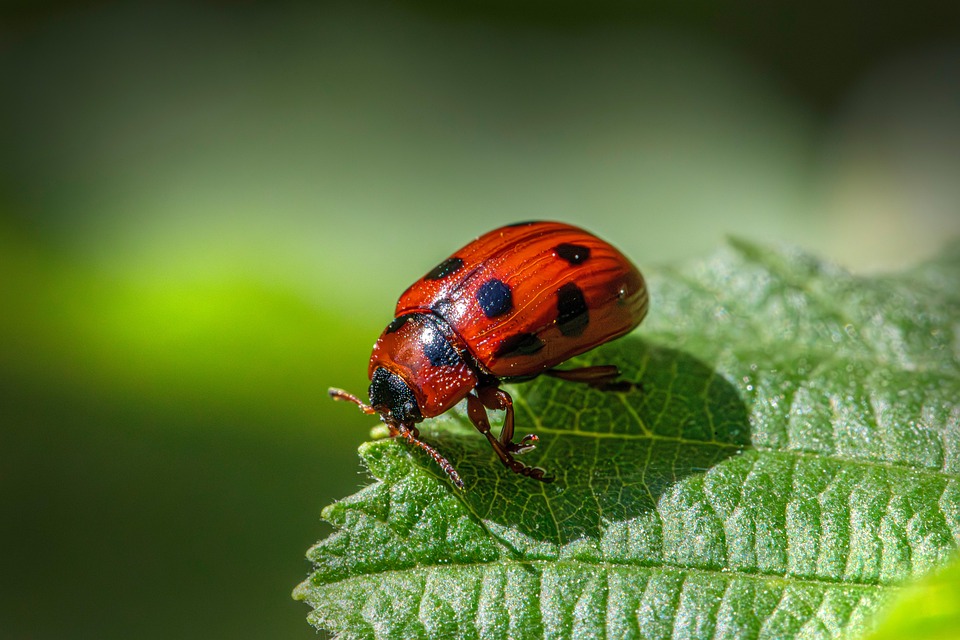
Biocontrol involves the use of living organisms to manage pest populations. These natural enemies of pests can include predators, parasitoids, and pathogens. Notable successes include the use of lady beetles to control aphid populations and the introduction of Bacillus thuringiensis (Bt) bacteria to target caterpillars. Advances in biotechnology have furthered capabilities in this area, offering targeted approaches with minimal non-target impacts.
Genetic Pest Management
Another promising area of sustainable pest control is genetic modification, which can, for instance, create crops that are inherently resistant to pests. Another innovative genetic approach is the sterile insect technique (SIT), wherein mass-reared sterile males are released to mate with females, effectively reducing the population over time.
Physical and Cultural Practices
Adjusting farming and gardening practices can also dramatically affect pest populations. Techniques like crop rotation, intercropping, and the use of reflective mulches can effectively disrupt the habitat of pests and reduce their impact. Physical barriers, such as row covers or nets, can exclude pests physically.
The Role of Technology in Pest Detection and Monitoring
Modern technologies such as drones and automated sensors are revolutionizing the way pests are monitored and managed. Drones can cover large areas quickly, providing detailed images that help in the early detection of pest infestations. Sensor technology can detect the very presence of a pest through detection of its DNA, ensuring timely and precise interventions.
Software and Data Analytics
Advancements in software and data analytics allow for better prediction of pest outbreaks based on historical data and real-time observations. This predictive capability can lead to more precise applications of pest control methods, reducing the need for blanket pesticide use and focusing only on affected areas.
Challenges and Future Prospects
While the prospects for sustainable pest management are promising, significant challenges remain. These include scalability of biocontrol methods, regulatory hurdles, and the economic feasibility of new technologies. Research and development, along with collaborative efforts among governments, academia, and the private sector, are crucial for overcoming these barriers and advancing the adoption of sustainable pest management solutions.
Why Shift to Sustainable Pest Control?
Shifting to sustainable pest control offers numerous benefits beyond environmental preservation. It contributes to the health and safety of communities, conserves biodiversity, and sustains the productivity of ecosystems. Additionally, consumers increasingly demand sustainable practices in agriculture, which can be economically advantageous for producers.
Conclusion
The future of pest control lies in innovative and sustainable strategies that balance effectiveness with environmental stewardship. By embracing the principles of Integrated Pest Management, leveraging new technologies, and supporting biological research, we can protect both our natural resources and our agricultural productivity. As society shifts towards sustainability, these strategies not only become necessary but expected in responsible pest management.