








Natural Defenders: Strategies for Organic Pest Management
Introduction to Organic Pest Management
In the quest for sustainable agriculture and safe gardening practices, organic pest management stands out as a crucial approach. With the increasing emphasis on reducing chemical pesticide use, organic methods of controlling pests not only ensure the health of the ecosystem but also safeguard human health. Here, we explore effective, natural defenses against pests that can be easily integrated into your gardening or farming practices.
Understanding the Basics of Organic Pest Management
Organic pest management (OPM) focuses on utilizing natural resources and biocontrol methods to manage pest populations. This approach promotes biodiversity and helps maintain environmental balance. The crux of OPM lies in using methods that are least disruptive to the agricultural ecosystem and human health.
Advantages of Organic Pest Control
The advantages of organic pest control are vast, ranging from environmental to health-related aspects. Importantly, these methods help preserve beneficial insect populations, improve soil health, and minimize water and air pollution. Consumers increasingly prefer organically grown food, recognizing its benefits for health and the environment.
Strategies for Effective Organic Pest Control
Implementing organic pest control involves several strategies that work in harmony to provide effective solutions. Understanding these can help gardeners and farmers not only to tackle pest issues but also promote overall ecological well-being.
Cropping Practices
Crop Rotation: Rotating crops can prevent the redevelopment of pest populations and decrease the incidence of plant diseases. Each species of plant presents a differing environment to pests, making it harder for them to establish themselves when conditions change frequently.
Intercropping: Growing different crops in proximity can confuse pests and reduce infestations. This method not only minimizes risk but can also enhance the biodiversity of your garden or farm.
Physical and Mechanical Controls
Barriers such as nets, row covers, and mulches can physically prevent pests from reaching the plants. Similarly, traps and vacuums can be used to remove or decrease the number of pests in a garden.
Biological Control
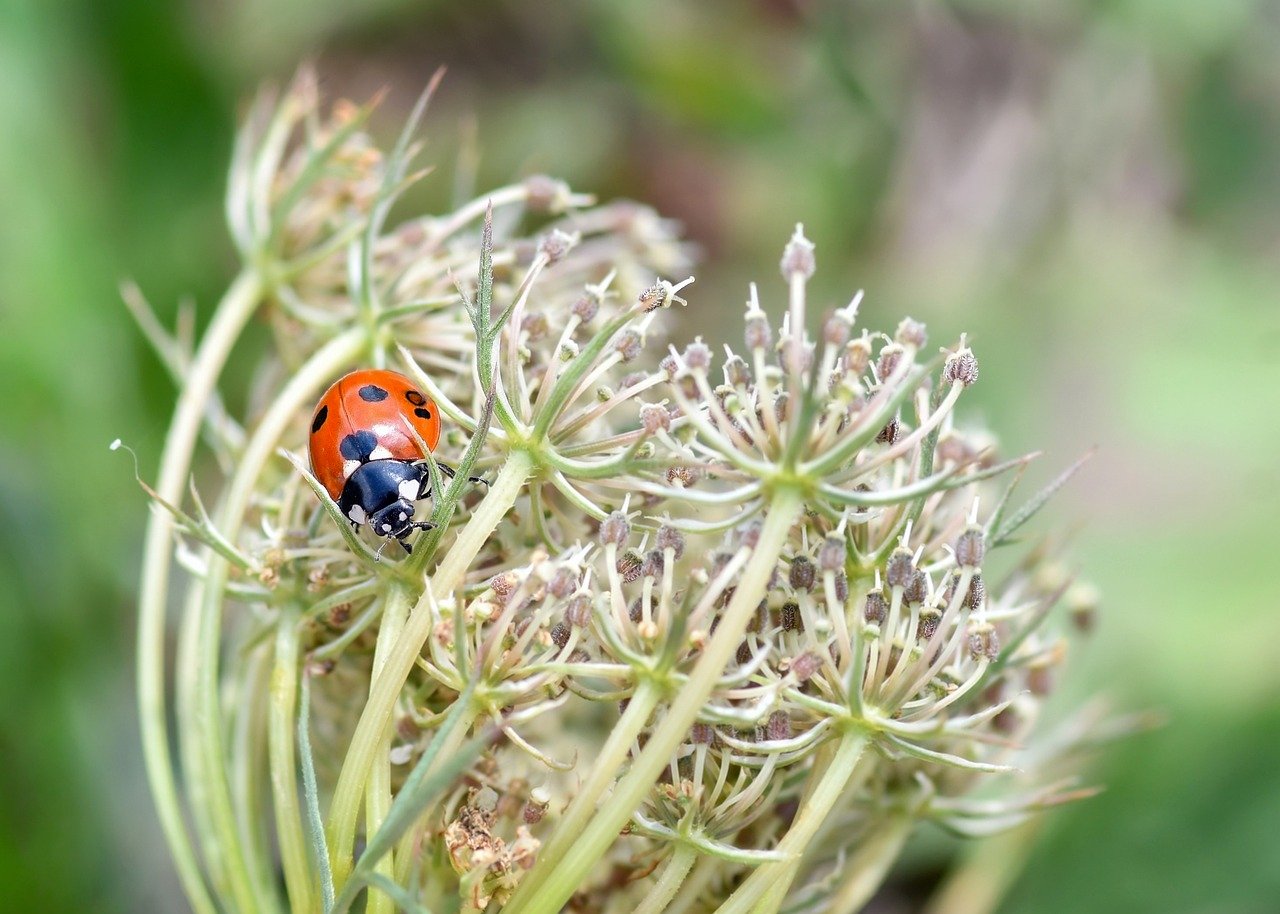
Biological control involves using natural enemies of pests, such as predators, parasitoids, and pathogens, to control pest populations. For example, ladybugs preying on aphids offer a natural form of pest control that eliminates the need for chemical pesticides.
Natural Insecticides and Repellents
Certain botanical extracts and oils such as neem oil, garlic spray, and chili pepper can serve as potent natural insecticides or repellents. They provide a non-toxic way to handle pest invasions while being environmentally friendly.
Common Pests and Organic Solutions
Understanding specific pests and their natural opponents can vastly improve the effectiveness of your organic pest management strategy. Here’s a quick guide:
Aphids: Easily managed by releasing beneficial insects like ladybugs or applying organic soap sprays.
Slugs and Snails: Barrier methods like copper tape or sand can effectively deter these pests. Natural predators such as beetles and birds can also help.
Caterpillars: Bacillus thuringiensis (Bt) is a naturally occurring bacterium that produces spores that are toxic to many species of caterpillars but harmless to other animals.
Frequently Asked Questions about Organic Pest Management
Is Organic Pest Management as Effective as Chemical Methods?
Organic pest management can be highly effective, especially when implemented carefully and consistently. It focuses on long-term sustainability and pest prevention.
How Can I Transition to Organic Pest Management?
Start by assessing your current pest management strategies and gradually introduce organic practices. Education on organic solutions and local pest species plays a crucial role in a successful transition.
What Are the Long-term Benefits of Organic Pest Management?
Adopting organic practices can lead to enhanced soil fertility, reduced pollution, and biodiversity conservation, contributing to healthier ecosystems and communities.
Conclusion
As the world leans more towards sustainable and eco-friendly practices, organic pest management comes forward as a vital component of modern agriculture and gardening. By adopting the strategies outlined above, individuals and communities can contribute to a healthier environment, promote biodiversity, and enjoy the bountiful benefits of organically managed landscapes.
Organizing an effective organic pest management system requires patience, observation, and a bit of trial and error, but the benefits far outweigh the initial efforts. Start integrating these natural defenders into your gardening practices today and step into a greener future.





