





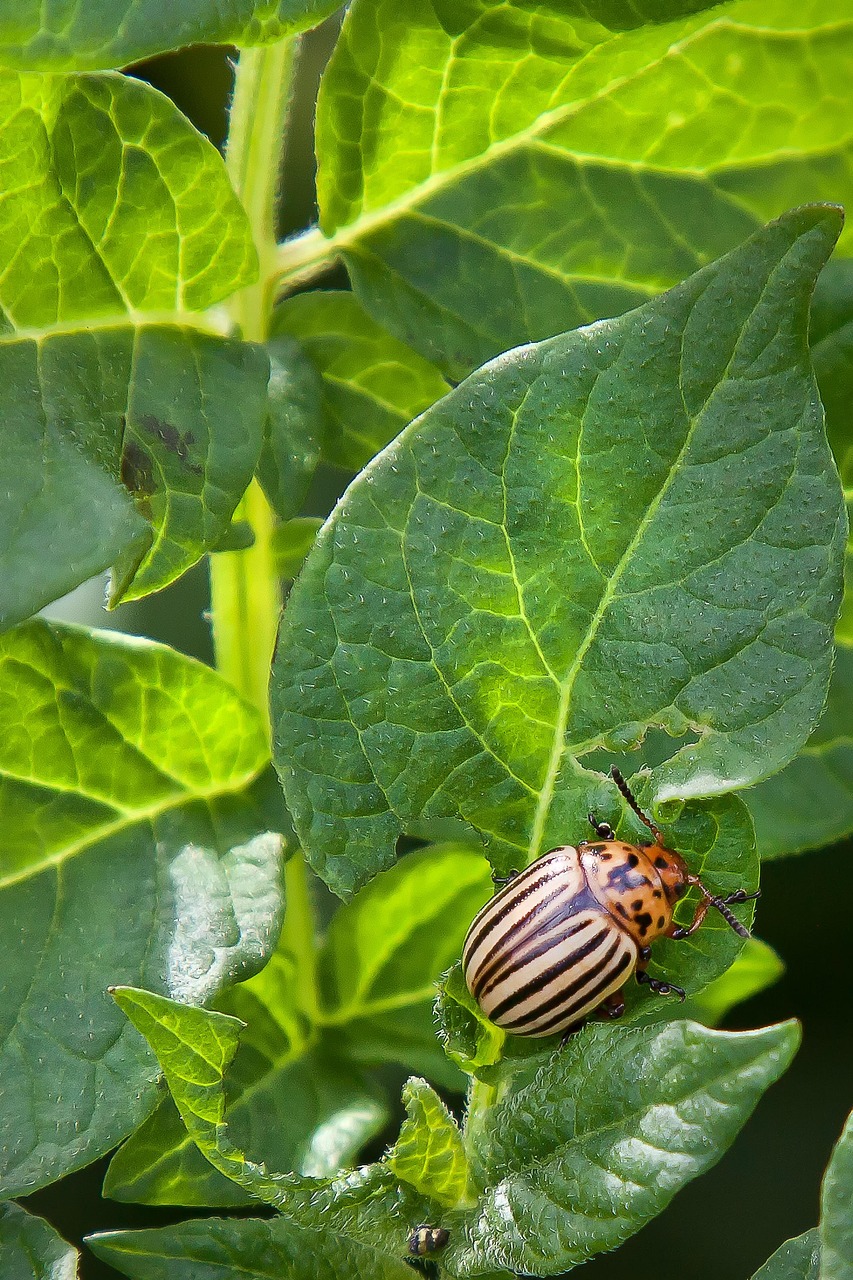
Revolutionary Pest Control Techniques: A Deep Dive into Modern Solutions
Pest control has always been a significant issue for homeowners, landlords, and agricultural professionals. Traditional methods have evolved dramatically with advancements in technology and biology, leading us to a host of innovative and environmentally friendly pest management solutions. This article explores some of the latest revolutionary pest control techniques that not only promise effectiveness but also aim to reduce environmental impact.
Understanding Pest Control Needs
Before delving into modern techniques, it’s essential to understand what drives the need for innovative pest control. Common issues include health risks from insect and rodent infestations, damage to property and crops, and the economic impact associated with managing pests. Effective solutions must address these concerns while minimizing harm to the ecosystem.
Biological Pest Control Advances
Microbial Insecticides
One of the most promising areas of biocontrol involves the use of natural pathogens as microbial insecticides. These pathogens, specific to particular pests, can infect and eliminate them without harming other species. For example, the bacterium Bacillus thuringiensis is used to control caterpillar populations in agriculture.
Sterile Insect Technique (SIT)
The SIT involves releasing sterile males into the pest population, where they mate with fertile females but produce no offspring. This method has been successfully used to control fruit fly and mosquito populations and is praised for its non-toxic and species-specific approach.
Chemical Innovations and Green Chemistry
While chemical methods are often criticized, green chemistry has transformed this field by creating more sustainable and less harmful products. Insect growth regulators (IGRs), for instance, interfere with the development of insects, preventing them from reaching maturity and reproducing, all while being low-risk to non-target species, including humans.
Physical and Mechanical Control Technologies
Heat Treatment
This technique, often used to manage bed bug infestations, involves heating a room to temperatures that are lethal to the pests. It’s a chemical-free method and can penetrate hard-to-reach areas, ensuring a thorough eradication.
Ultrasonic Devices
Although their effectiveness is often debated, ultrasonic devices claim to emit frequencies that are intolerable to pests like rodents and insects, driving them away. Consumer reviews vary, and ongoing research continues to refine this technology.
Integrated Pest Management (IPM)
IPM is a holistic approach that combines biological, physical, chemical, and cultural strategies for managing pest populations. The goal is to achieve long-term suppression with minimal environmental impact. Monitoring and correct pest identification are crucial components of an effective IPM program.
Technological Innovations
Drones and Automated Systems
Drones are revolutionizing agricultural pest control by providing a means to scan vast areas of crops for pest infestation and precisely dispense treatments. This precision reduces chemical usage and increases efficiency.
IoT-Based Monitoring Systems
Internet of Things (IoT) technology allows for real-time monitoring of pest populations and environmental conditions. These systems can trigger alerts and automate control measures, significantly improving response times and outcomes.
Regulatory and Safety Considerations
With new pest control technologies, regulatory frameworks must evolve. Safety for users and environmental impact are paramount. Innovations in pest control are often subject to rigorous testing and approval processes to ensure they meet safety standards.
FAQs in Revolutionary Pest Control Techniques
Q1: Are these new pest control techniques safe for pets and children?
Most modern techniques, especially biological and non-chemical solutions, are designed to be safe around both pets and children. However, always check product labels and consult professionals.
Q2: Can innovative pest control methods completely replace traditional chemicals?
While many modern methods significantly reduce the need for traditional chemicals, they often work best in conjunction with a broader integrated pest management plan.
Q3: Are there DIY solutions for home use in these advanced techniques?
Some advanced pest control options, like certain biological treatments and mechanical devices, are available for consumer use. Always follow manufacturer guidelines for effective and safe application.
Q4: How cost-effective are these revolutionary pest control methods?
Initial costs might be higher than conventional methods, but many of these innovative techniques offer longer-term savings through more durable effects and reduced chemical use.
Conclusion
Revolutionary pest control techniques continue to evolve, providing effective and eco-friendly options for managing pest populations. Whether through biological innovations, advanced technology, or integrated strategies, these methods bring new hopes and possibilities to pest control challenges across the globe. By educating oneself and embracing these advancements, individuals and professionals can contribute to a sustainable approach that benefits both our health and the environment.